Introduction to Morocco’s Crown Jewel: The Sahara Desert
The Sahara Desert in Morocco represents one of the world’s most captivating natural wonders, where endless golden dunes meet brilliant blue skies in a landscape that has fascinated travelers for centuries. As the world’s largest hot desert, the Sahara covers much of North Africa, but Morocco’s portion offers some of its most accessible and stunningly beautiful regions. From the towering dunes of Erg Chebbi to the remote wilderness of Erg Chigaga, the Moroccan Sahara provides an unforgettable adventure that combines natural beauty with rich cultural experiences.
Where to Experience the Sahara in Morocco
Morocco’s Sahara Desert is primarily located in the eastern and southern parts of the country, with several key regions that offer unique desert experiences:
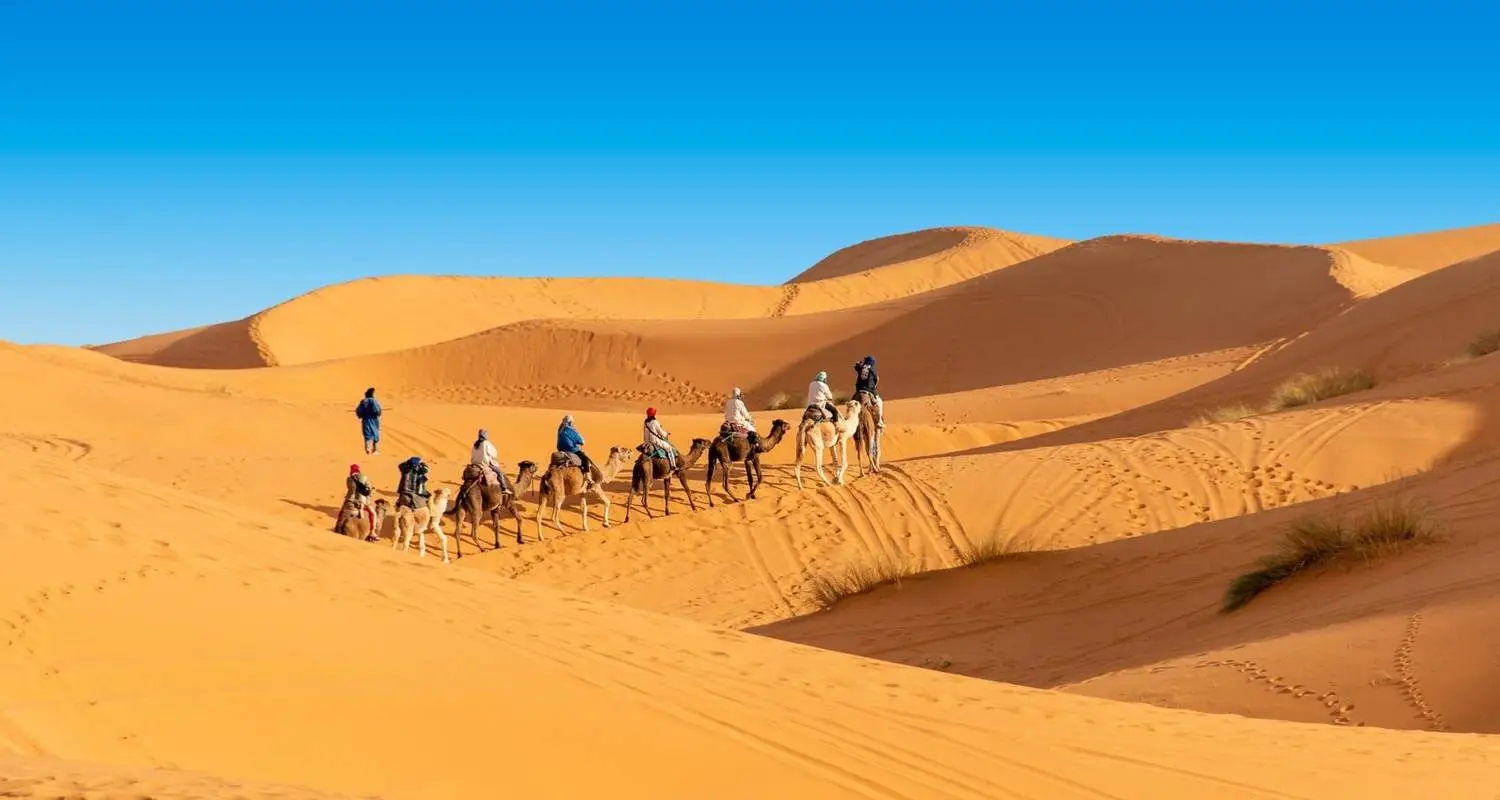
Erg Chebbi Dunes near Merzouga are perhaps the most famous Sahara destination in Morocco. These spectacular dunes reach heights of up to 150 meters and create a mesmerizing landscape that changes color throughout the day. The nearby village of Merzouga serves as the main gateway for Sahara tours and desert excursions.
Erg Chigaga, located further south near M’hamid, offers a more remote and less crowded desert experience. These dunes stretch for about 40 kilometers and provide a sense of wilderness and solitude that’s increasingly rare in today’s world.
Zagora and the Draa Valley represent the gateway to the desert for shorter Sahara experiences. While the dunes here are smaller than those at Erg Chebbi or Erg Chigaga, they still offer an authentic taste of the Sahara and are more accessible from Marrakech.
The Best Time to Visit Morocco’s Sahara Desert
Timing your Sahara adventure is crucial for the best experience. The Moroccan Sahara has extreme temperature variations between seasons:
October to April is widely considered the best time to visit. During these months, daytime temperatures are pleasant (20-25°C), while nights are cool but comfortable. This period offers ideal conditions for desert activities like camel trekking and camping.
May to September brings intense heat, with daytime temperatures often exceeding 40°C. While this is the low season, it offers the advantage of fewer tourists and lower prices. If visiting during summer, plan activities for early morning and late afternoon, resting during the peak heat hours.
December to February can be surprisingly cold at night, with temperatures sometimes dropping near freezing. However, the clear winter skies offer exceptional stargazing opportunities, and the daytime temperatures remain pleasant for exploration.
Unforgettable Sahara Experiences and Activities
The Moroccan Sahara offers a wealth of experiences that cater to every type of traveler:
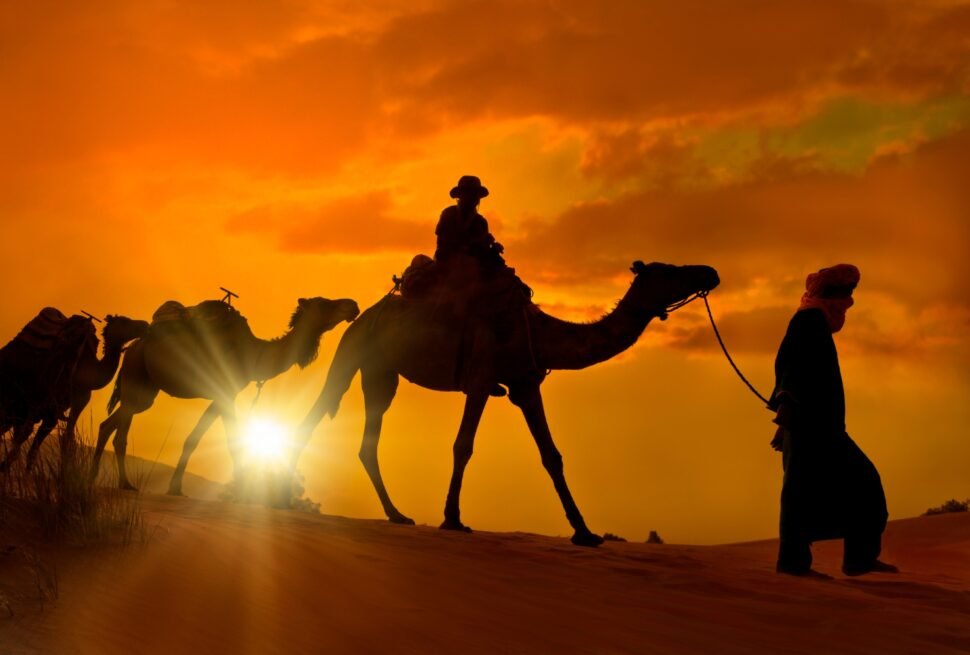
Camel Trekking is the quintessential Sahara experience. Riding these gentle creatures across the dunes at sunset creates memories that last a lifetime. Multi-day treks take you deep into the desert, camping under the stars in traditional Berber tents.
4×4 Desert Expeditions provide access to more remote areas and are ideal for those with limited time or who prefer not to ride camels. These tours often include visits to desert oases, fossil sites, and nomadic families.
Desert Camping ranges from basic traditional camps to luxury desert camps with comfortable beds and en-suite facilities. Falling asleep under the Milky Way in the silence of the desert is a profoundly peaceful experience.
Sandboarding down the dunes offers an adrenaline rush for adventure seekers. The soft sands of Erg Chebbi provide perfect conditions for this exciting activity.
Stargazing in the Sahara is unparalleled due to the absence of light pollution. The clear desert skies reveal a breathtaking display of stars, planets, and even the Milky Way with remarkable clarity.
Preparing for Your Sahara Desert Adventure
Proper preparation ensures a comfortable and safe Sahara experience:
Clothing should be lightweight and breathable for daytime, with warm layers for cool evenings. A scarf or shemagh is essential for protecting against sun and sand. Long-sleeved shirts and pants provide sun protection and help prevent insect bites.
Sun Protection is critical in the desert. High-SPF sunscreen, sunglasses, and a wide-brimmed hat are non-negotiable items. The desert sun is intense even on cooler days.
Hydration is paramount in the dry desert air. Drink plenty of water throughout your trip, even if you don’t feel thirsty. Most tours provide water, but carrying a reusable bottle is recommended.
Health Considerations include bringing any necessary medications, basic first-aid supplies, and considering travel insurance that covers desert activities. Those with respiratory conditions should consult their doctor before traveling due to the fine sand particles in the air.
Accommodation in the Sahara: From Traditional to Luxurious
Sahara accommodation options cater to various preferences and budgets:
Traditional Desert Camps offer an authentic experience with simple tents, shared facilities, and communal meals around a campfire. These camps provide a genuine connection to Berber desert culture.
Luxury Desert Camps combine the wilderness experience with comfort, featuring private tents with proper beds, en-suite bathrooms, and sometimes even air conditioning. Many offer gourmet dining and attentive service.
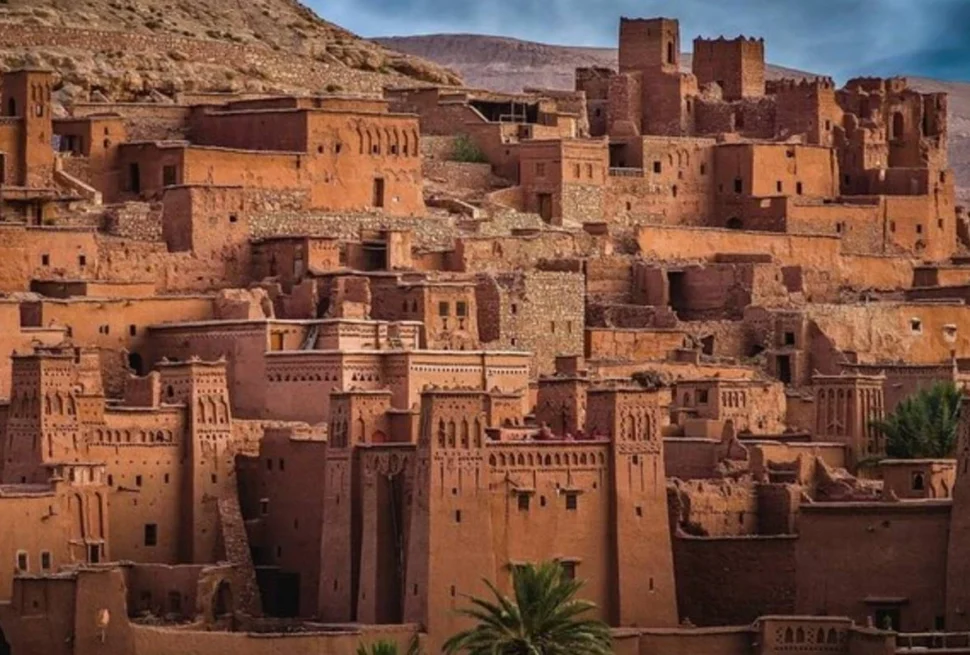
Kasbahs and Riads in desert towns like Merzouga provide more conventional hotel experiences while still maintaining local architectural styles and hospitality.
Guesthouses in villages near the desert offer budget-friendly options and opportunities to interact with local families.
Cultural Encounters in the Moroccan Sahara
The Sahara is not just a landscape—it’s home to vibrant cultures with ancient traditions:
Berber (Amazigh) Hospitality is legendary in the desert. The indigenous people of the region welcome visitors with mint tea and share stories of desert life passed down through generations.
Nomadic Visits offer insight into a way of life that has existed for millennia. Many tours include visits to nomadic families who maintain traditional lifestyles despite modern challenges.
Desert Music around the campfire is a magical experience. Traditional Berber instruments like the guembri and hand drums create hypnotic rhythms under the stars.
Local Cuisine in the Sahara features hearty tagines, fresh bread baked in sand, and sweet mint tea. Meals are often communal affairs that foster connections between travelers and hosts.
Safety Considerations for Sahara Travel
While the Moroccan Sahara is generally safe for tourists, some precautions ensure a trouble-free experience:
Guided Tours are recommended, especially for first-time visitors. Experienced guides navigate the challenging terrain, handle logistics, and provide valuable cultural context.
Navigation in the desert can be disorienting. Never wander away from your group or camp without informing someone. The vast, featureless landscape can make it easy to get lost.
Weather Extremes require respect. The desert can go from scorching heat to surprising cold within hours. Always carry adequate water and protection from the elements.
Respect Local Customs by dressing modestly, especially in rural areas. Ask permission before photographing people, and be mindful of cultural sensitivities.
Why the Moroccan Sahara Deserves a Place on Your Bucket List
The Sahara Desert in Morocco offers more than just stunning landscapes—it provides a transformative travel experience that reconnects visitors with nature and ancient traditions. The profound silence of the dunes, the brilliance of the starlit sky, and the warmth of Berber hospitality create memories that linger long after returning home.
Whether you’re seeking adventure, cultural immersion, or simply a break from the modern world, the Moroccan Sahara delivers an experience that’s both humbling and uplifting. It’s a place that reminds us of the raw beauty of our planet and the resilience of the human spirit.
As you plan your Morocco travels, consider venturing beyond the imperial cities and coastal towns to discover the magic of the Sahara. The journey may be long, but the reward is an experience that will stay with you forever—a true journey through time and sand that captures the essence of North Africa’s greatest wilderness.