The Majesty of Morocco’s Imperial Cities: A Journey Through Time
Morocco, a land where ancient traditions meet vibrant modernity, offers travelers an extraordinary tapestry of experiences. A grand tour of this North African kingdom unveils the splendor of its imperial cities—Marrakech, Fes, Meknes, and Rabat—each bearing the indelible mark of dynasties that shaped the nation’s history. Beyond these historic capitals, Morocco’s diverse landscapes—from the snow-capped Atlas Mountains to the endless Sahara Desert—create a journey that engages all senses and leaves travelers forever changed.
This comprehensive guide takes you through the essential stops of a Moroccan grand tour, revealing the cultural treasures, architectural wonders, and authentic experiences that make this country one of the world’s most captivating destinations.
Marrakech: The Red City of Endless Wonders
Your Moroccan adventure begins in Marrakech, the “Red City” that pulses with energy from dawn till dusk. Founded in the 11th century, this imperial capital remains Morocco’s most visited city for good reason. The heart of Marrakech is Djemaa el-Fna, a UNESCO World Heritage square that transforms throughout the day from a bustling market to an open-air restaurant and entertainment venue at night.
Surrounding the square lies the labyrinthine medina, a UNESCO-listed old city where narrow alleys reveal hidden palaces, traditional souks, and historic mosques. Don’t miss the Bahia Palace, a 19th-century masterpiece showcasing intricate Moroccan craftsmanship with its painted ceilings, tiled courtyards, and tranquil gardens. The nearby Saadian Tombs offer a glimpse into Morocco’s golden age, with their ornate decoration housing the remains of the Saadian dynasty.
For a moment of tranquility amid the city’s energy, visit the Majorelle Garden, a botanical paradise created by French painter Jacques Majorelle and later restored by fashion designer Yves Saint Laurent. The vibrant blue buildings and exotic plants provide a peaceful contrast to the bustling medina.
As evening falls, experience the magic of Marrakech from a rooftop restaurant, savoring traditional tagines while watching the sunset over the Koutoubia Mosque, whose minaret has guided travelers for centuries.
Fes: The Spiritual and Cultural Heartbeat of Morocco
From Marrakech, journey north to Fes, Morocco’s cultural and spiritual center. Founded in the 9th century, Fes el-Bali (the old city) is the world’s largest living medieval urban area and a UNESCO World Heritage site that seems frozen in time. The medina’s 9,400 alleyways form a complex maze where donkeys remain the primary mode of transport and traditional crafts continue as they have for centuries.
The architectural centerpiece of Fes is the University of Al Quaraouiyine, founded in 859 AD and recognized by UNESCO as the oldest existing, continually operating educational institution in the world. Nearby, the Bou Inania Madrasa showcases exquisite Islamic architecture with its detailed carved plaster, woodwork, and zellij tilework.
No visit to Fes is complete without exploring the Chouara Tannery, where leather has been produced using traditional methods for over a thousand years. The colorful pits filled with natural dyes create a striking sight, best viewed from the surrounding terraces.
For panoramic views of the ancient city, climb to the Merenid Tombs at sunset, when the call to prayer echoes across the rooftops and the fading light illuminates thousands of minarets.
Meknes: The Versailles of Morocco
Continuing your imperial cities tour, Meknes offers a more relaxed atmosphere than its larger counterparts. This 17th-century capital, created by Sultan Moulay Ismail, earned the nickname “the Versailles of Morocco” for its grandiose architecture and extensive fortifications.
The city’s most impressive monument is Bab Mansour, a monumental gate that stands as one of the finest examples of Moroccan military architecture. Its intricate tilework and carved inscriptions make it a photographer’s delight. Nearby, the Sahrij Souani basin reveals the engineering genius of the sultan, who created massive water reservoirs to supply his palace and gardens.
The Mausoleum of Moulay Ismail, where the sultan is buried, is one of the few Moroccan religious sites open to non-Muslims. Its harmonious proportions and exquisite decoration showcase the refinement of Alaouite dynasty architecture.
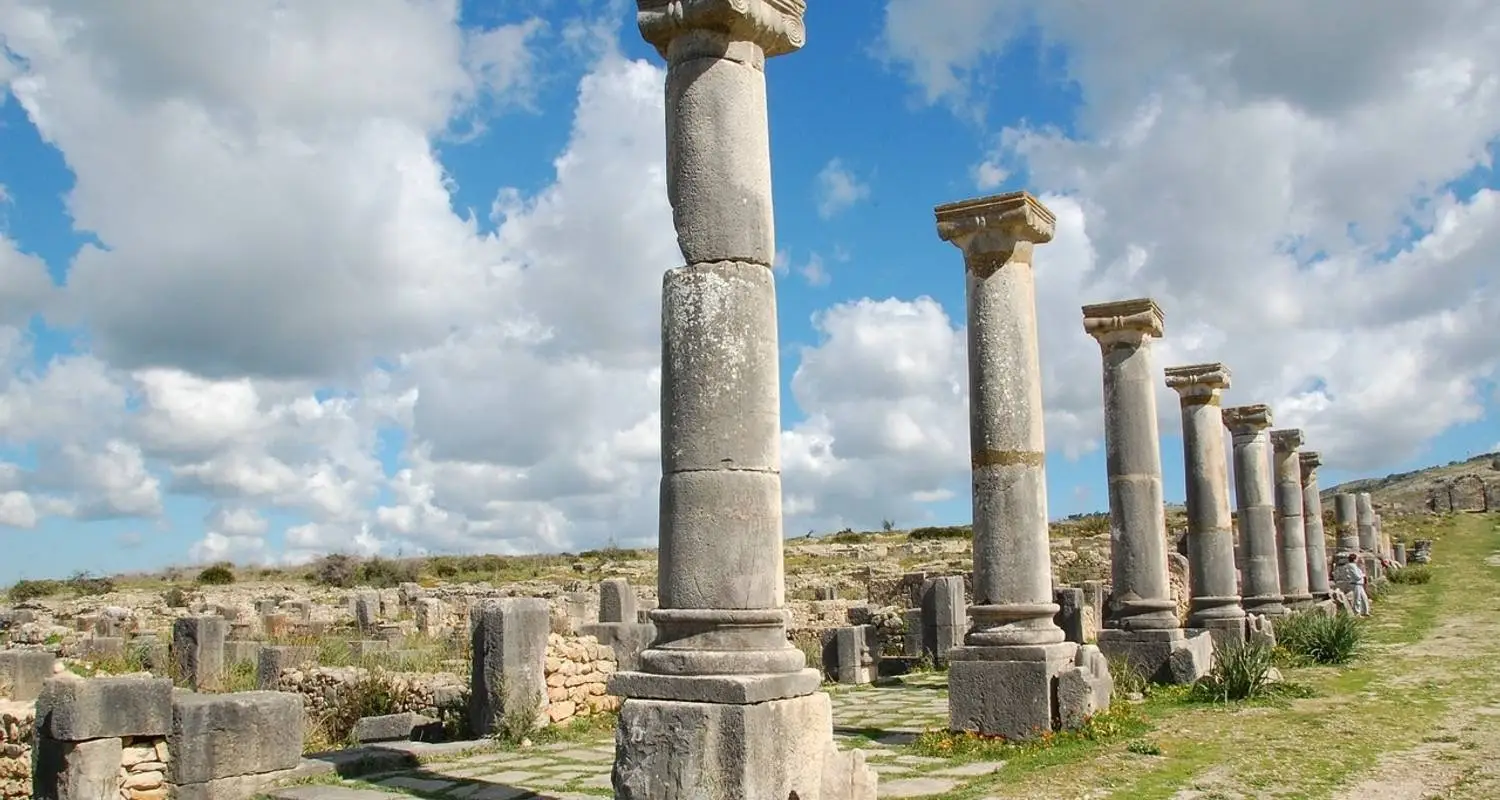
Just outside Meknes, the Roman ruins of Volubilis offer a fascinating contrast to the Islamic architecture of the imperial cities. This UNESCO World Heritage site features well-preserved mosaics, triumphal arches, and the remains of grand villas that speak to Morocco’s ancient past.
Rabat: The Modern Capital with Ancient Roots
Your imperial cities tour concludes in Rabat, Morocco’s current capital and administrative center. While more modern in atmosphere than the other imperial cities, Rabat boasts a rich history that spans from ancient times to the present day.
The city’s most iconic landmark is the Hassan Tower, the minaret of an unfinished mosque begun in the 12th century. Alongside it stand the columns of what would have been one of the world’s largest mosques, creating a powerful testament to the ambitions of the Almohad caliph Yaqub al-Mansour.
Nearby, the Mausoleum of Mohammed V houses the tombs of the current king’s grandfather and father, with its stunning white marble exterior and green tiled roof. The interior features exceptional craftsmanship in wood, plaster, and marble.
For a change of pace, explore the Kasbah of the Udayas, a 12th-century fortress at the mouth of the Bou Regreg river. Its blue-and-white washed houses, narrow streets, and peaceful Andalusian gardens offer a picturesque escape from the city.
Beyond the Imperial Cities: Morocco’s Diverse Treasures
A true grand tour of Morocco extends beyond the imperial cities to encompass the country’s remarkable diversity:
The Atlas Mountains divide Morocco into distinct geographical regions and offer breathtaking scenery, traditional Berber villages, and excellent hiking opportunities. The High Atlas, home to North Africa’s highest peak (Mount Toubkal), provides a dramatic backdrop to Marrakech and can be explored on day trips or longer treks.
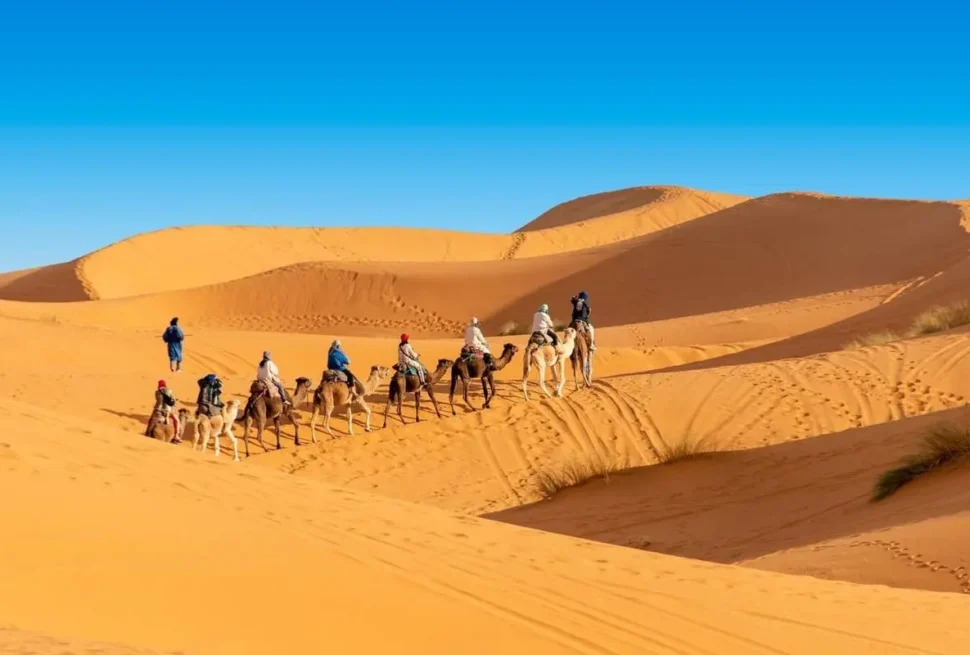
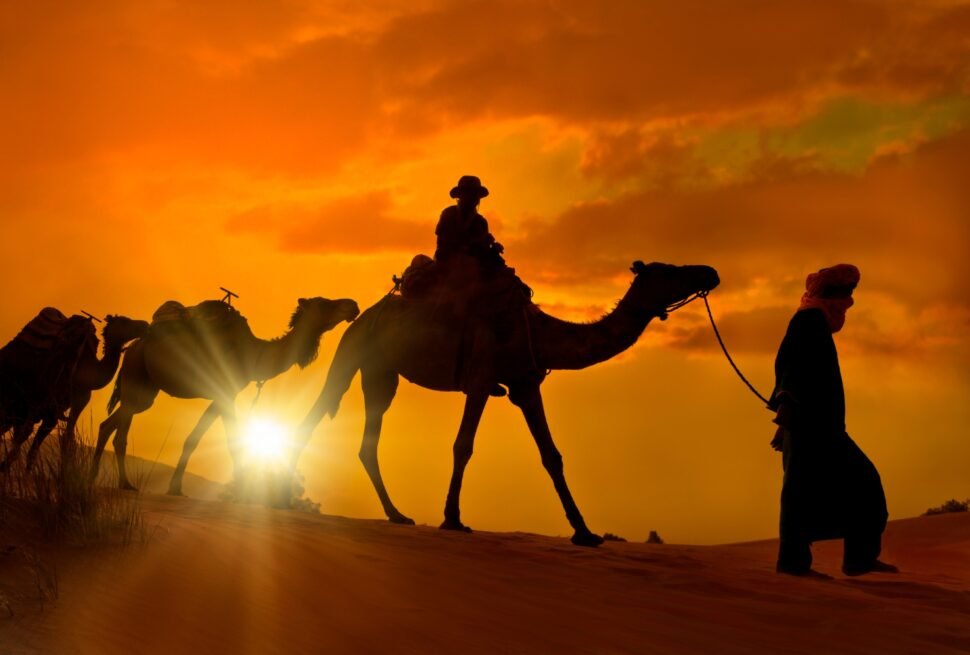
The Sahara Desert represents Morocco’s most mystical landscape. A journey to the dunes of Erg Chebbi or Erg Chigaga includes camel trekking, overnight stays in desert camps, and unforgettable sunrises and sunsets over the golden sands.
The Atlantic Coast offers a different side of Morocco, with cities like Essaouira providing a relaxed atmosphere, fresh seafood, and water sports. The fortified medina of Essaouira, another UNESCO World Heritage site, blends Portuguese, Moroccan, and European influences in its distinctive architecture.
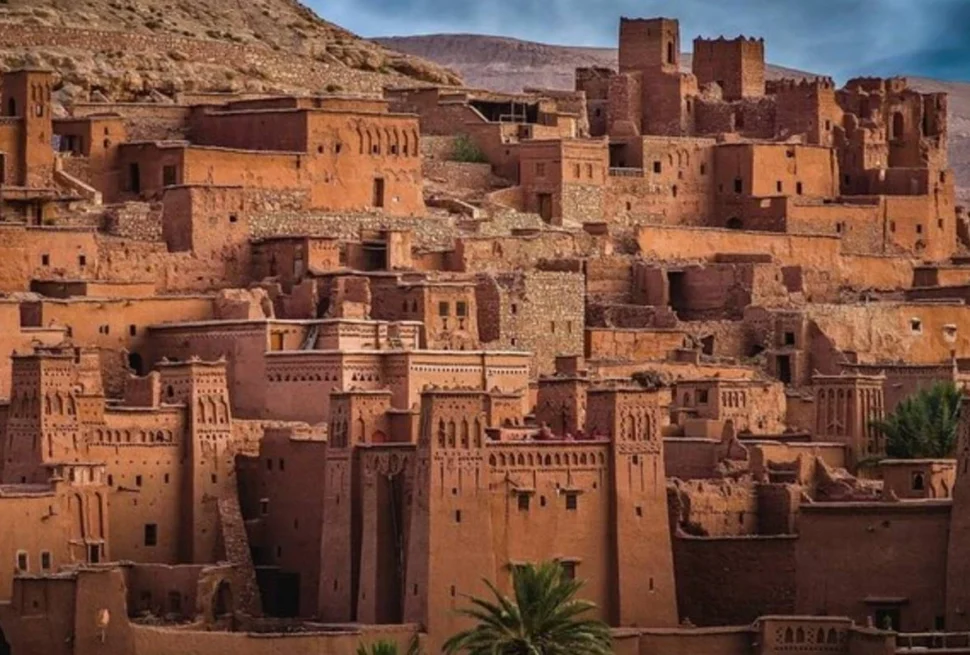
The “Route of 1000 Kasbahs” between Marrakech and the Sahara passes through the Dades and Todra gorges, where dramatic canyon landscapes and fortified villages create one of Morocco’s most scenic drives.
Practical Tips for Your Moroccan Grand Tour
To make the most of your imperial cities tour, consider these practical suggestions:
Best Time to Visit: Spring (March to May) and autumn (September to November) offer ideal temperatures for exploring both cities and natural areas. Summer can be extremely hot, especially in Marrakech and the desert regions, while winter brings cold and snow to mountain areas.
Transportation: While Morocco has an excellent train network connecting major cities (Casablanca, Rabat, Fes, Meknes, and Marrakech), private drivers or organized tours are more practical for reaching smaller destinations and maximizing your time.
Accommodation: Morocco offers a range of options from luxury hotels to traditional riads (guesthouses) in historic buildings. Staying in a riad within a medina provides an authentic experience, with many featuring beautiful courtyards and rooftop terraces.
Cultural Considerations: Morocco is a Muslim country, and visitors should dress modestly, especially when visiting religious sites. Learning a few basic phrases in Arabic or French will enhance your interactions with locals.
Health and Safety: Drink bottled water, be cautious with street food if you have a sensitive stomach, and protect yourself from the sun. Morocco is generally safe for tourists, but normal precautions against petty theft should be taken in crowded areas.
Crafting Your Perfect Moroccan Itinerary
A comprehensive grand tour of Morocco typically requires 10 to 14 days to cover the imperial cities and major attractions without rushing. Here’s a sample itinerary:
- Days 1-3: Marrakech (explore the medina, palaces, and gardens)
- Day 4: Travel over the Atlas Mountains to the Sahara Desert (overnight in desert camp)
- Day 5: Return via the “Route of 1000 Kasbahs” to Fes
- Days 6-7: Fes (discover the ancient medina and historic sites)
- Day 8: Day trip to Volubilis and Meknes
- Days 9-10: Rabat (explore the capital’s historic sites)
- Days 11-12: Optional extension to Chefchaouen (the “Blue City”) or Casablanca
- Day 13: Return to Marrakech or depart from Casablanca
This itinerary balances cultural immersion with natural wonders, allowing you to experience Morocco’s imperial cities while also appreciating the country’s diverse landscapes and traditions.
The Transformative Power of a Moroccan Journey
A grand tour of Morocco’s imperial cities offers more than just sightseeing—it provides a journey through time, culture, and sensory experiences that transform how travelers see the world. From the moment you step into the labyrinthine medinas, you’re enveloped in a world where ancient traditions coexist with modern life, where the call to prayer echoes from minarets five times a day, and where hospitality is not just a custom but a way of life.
The imperial cities reveal different facets of Morocco’s identity: Marrakech’s energy and creativity, Fes’s spiritual and intellectual depth, Meknes’s imperial grandeur, and Rabat’s modern sophistication. Together, they tell the story of a nation that has absorbed influences from Arab, Berber, African, and European civilizations while maintaining a unique cultural identity.
Beyond the cities, Morocco’s landscapes—from the green valleys of the Atlas to the golden sands of the Sahara—remind us of nature’s diversity and beauty. The warmth of the Moroccan people, their rich traditions, and their genuine hospitality create connections that transcend cultural differences.
As you conclude your grand tour, you’ll carry with you not just photographs and souvenirs, but a deeper understanding of this fascinating country and memories that will inspire you to return again and again to discover new layers of Morocco’s endless charm.