+212661359960
cruisersahara6@gmail.com
ITINERARY
DAY 1: FES → IFRANE → ZIZ VALLEY → MERZOUGA DESERT
our 5 Days Tour from Fes to Marrakech begins with a convenient pick-up from your hotel or riad in Fes. Our southward route passes through several noteworthy stops: the charming mountain town of Ifrane, the cedar forest near Azrou where wild Barbary macaques can be spotted at surprisingly close range, and the photogenic Ziz Valley with its long ribbon of date palms threading through the pre-desert.
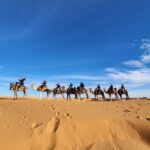
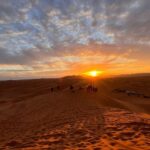
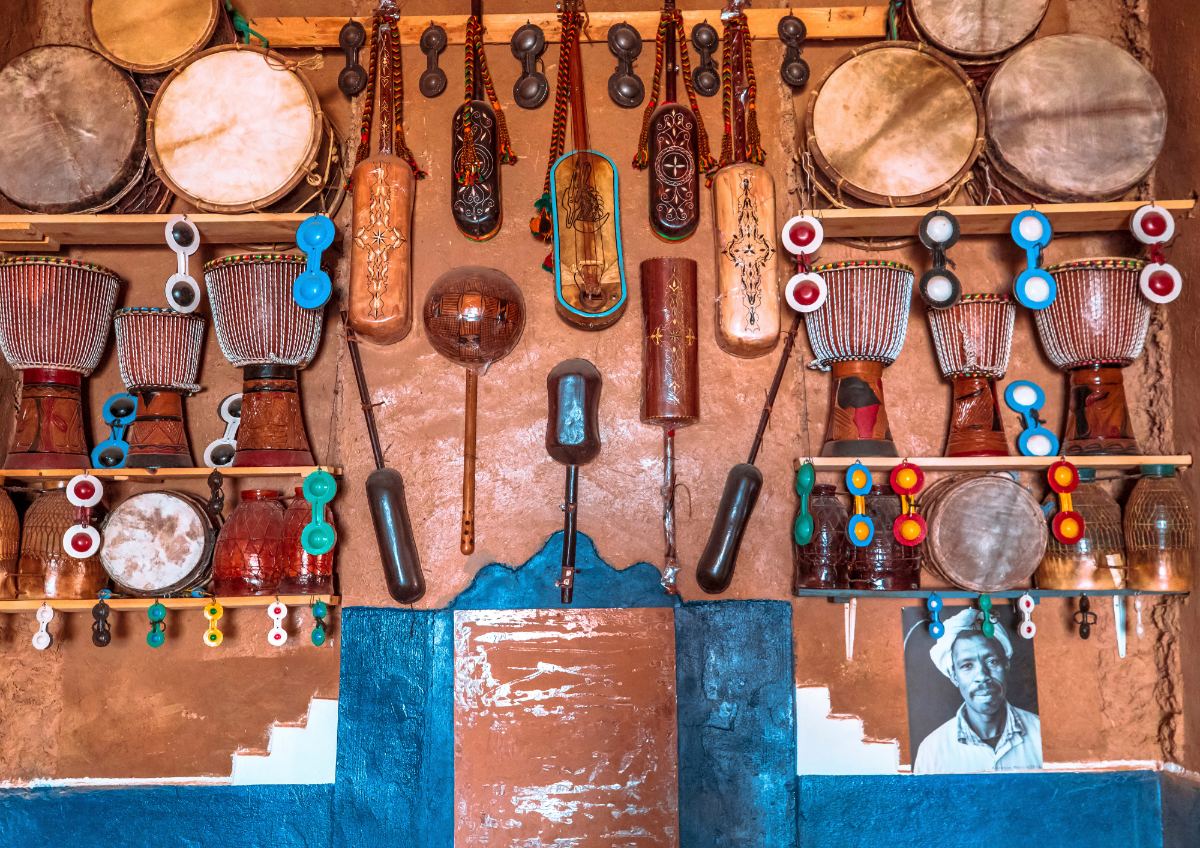
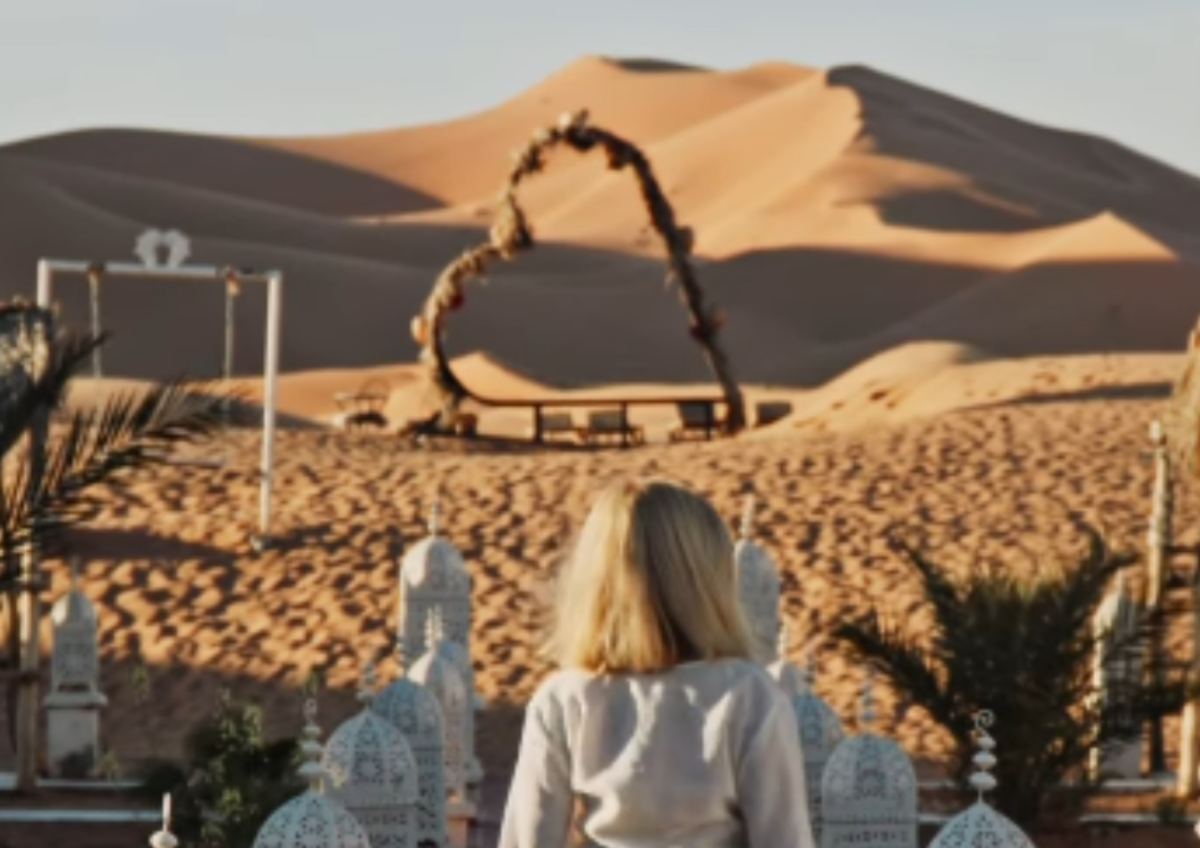
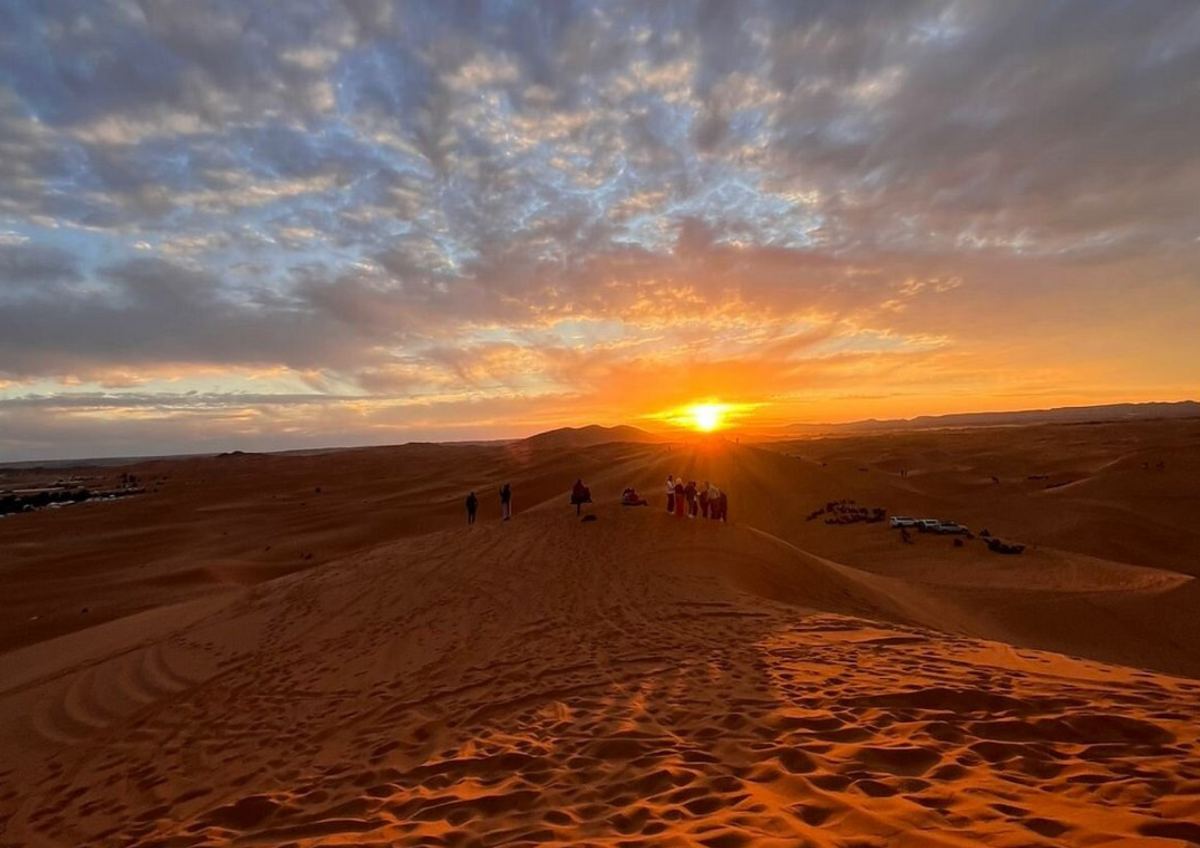
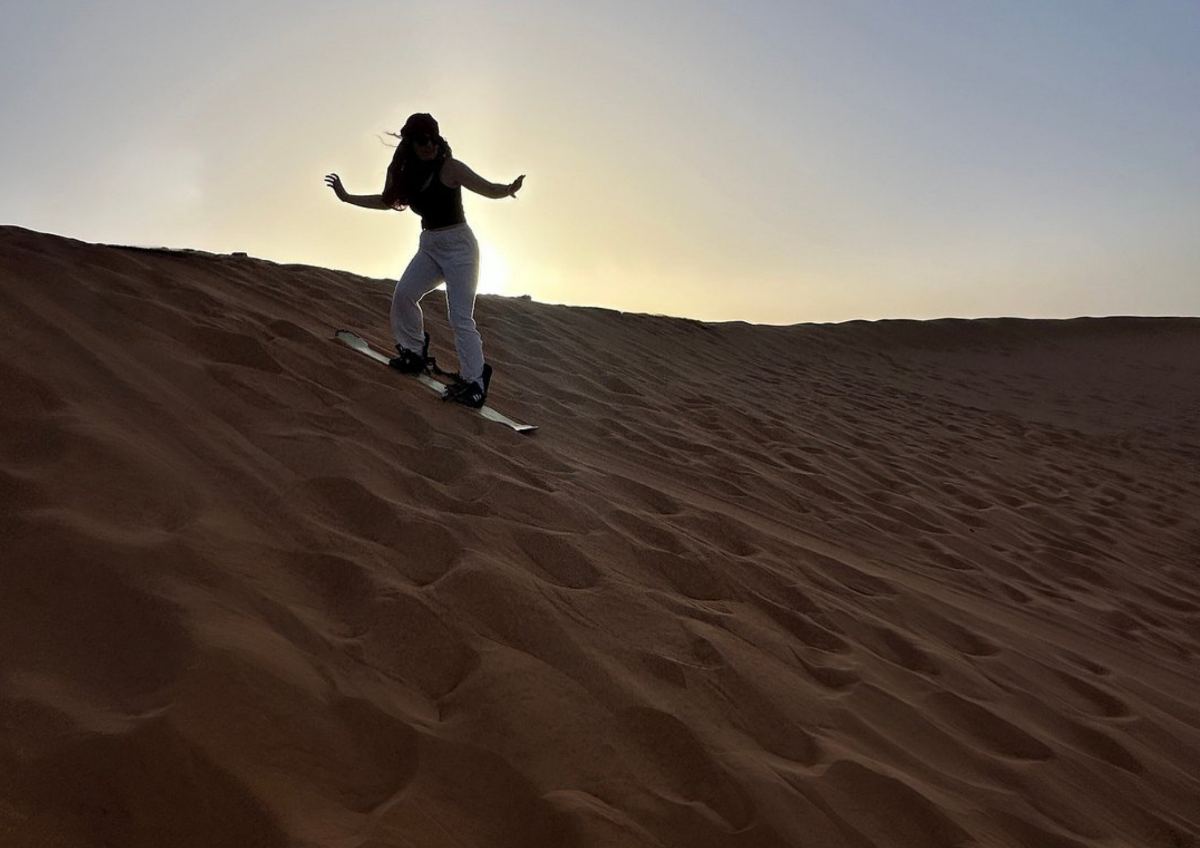
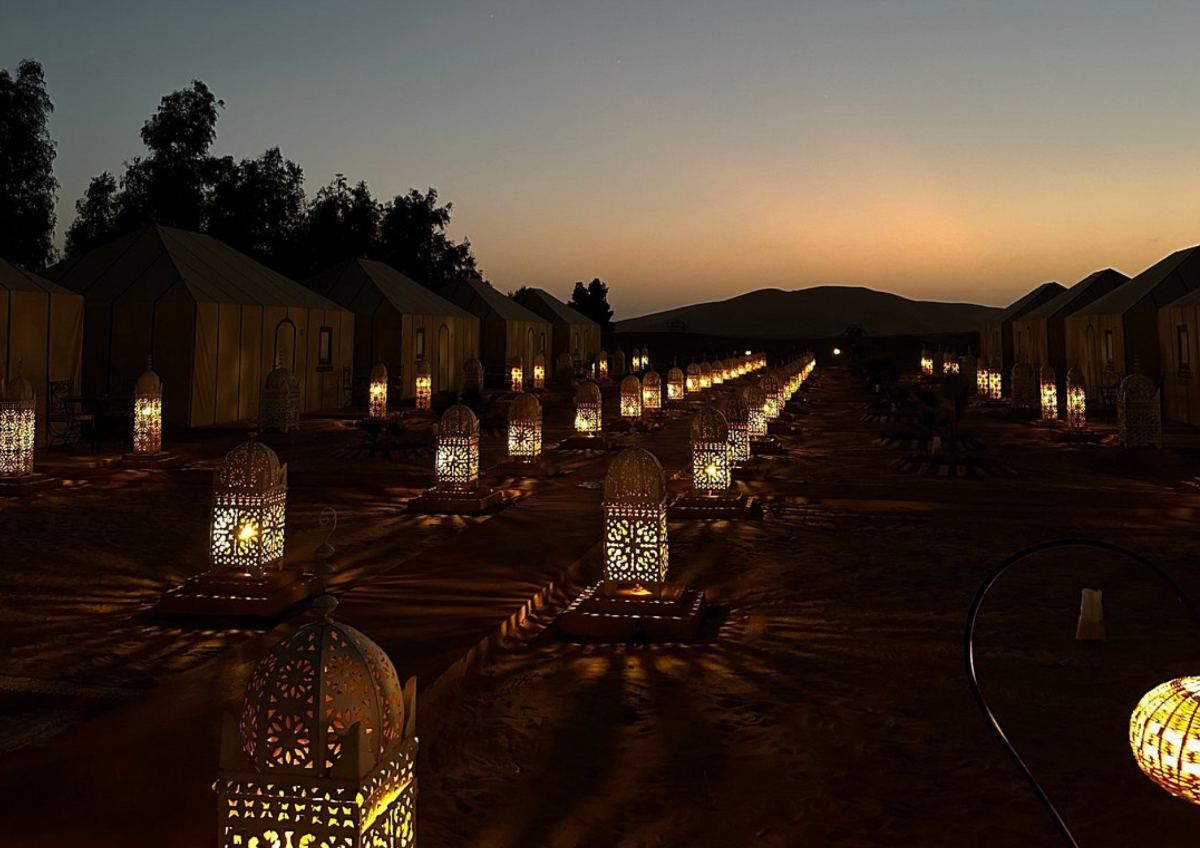
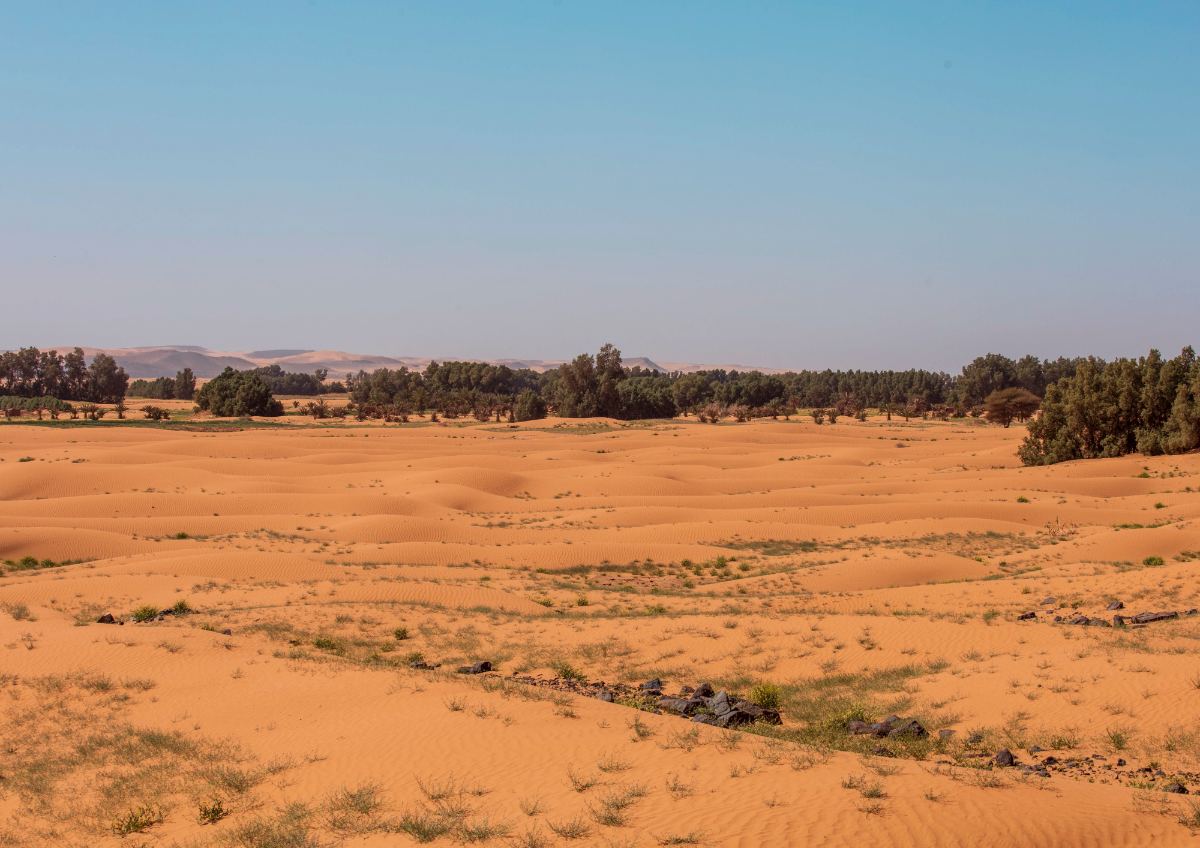
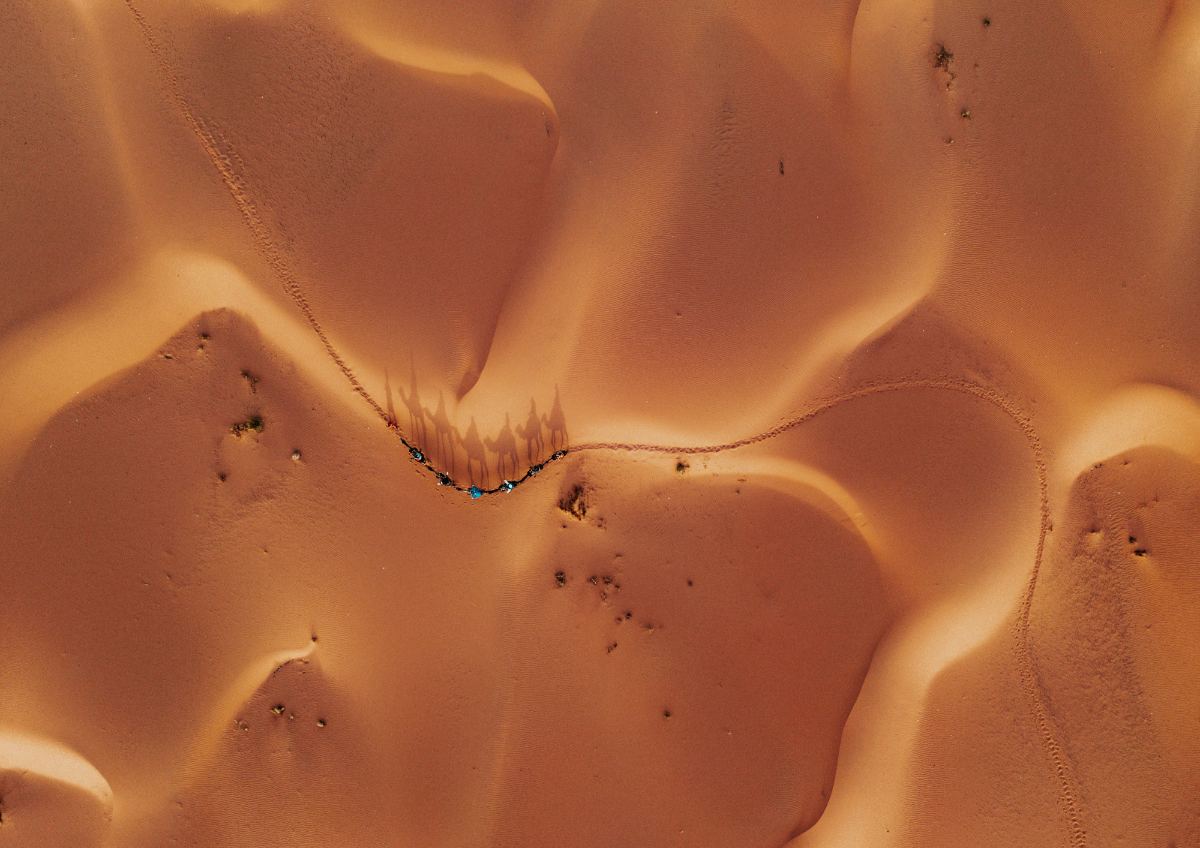
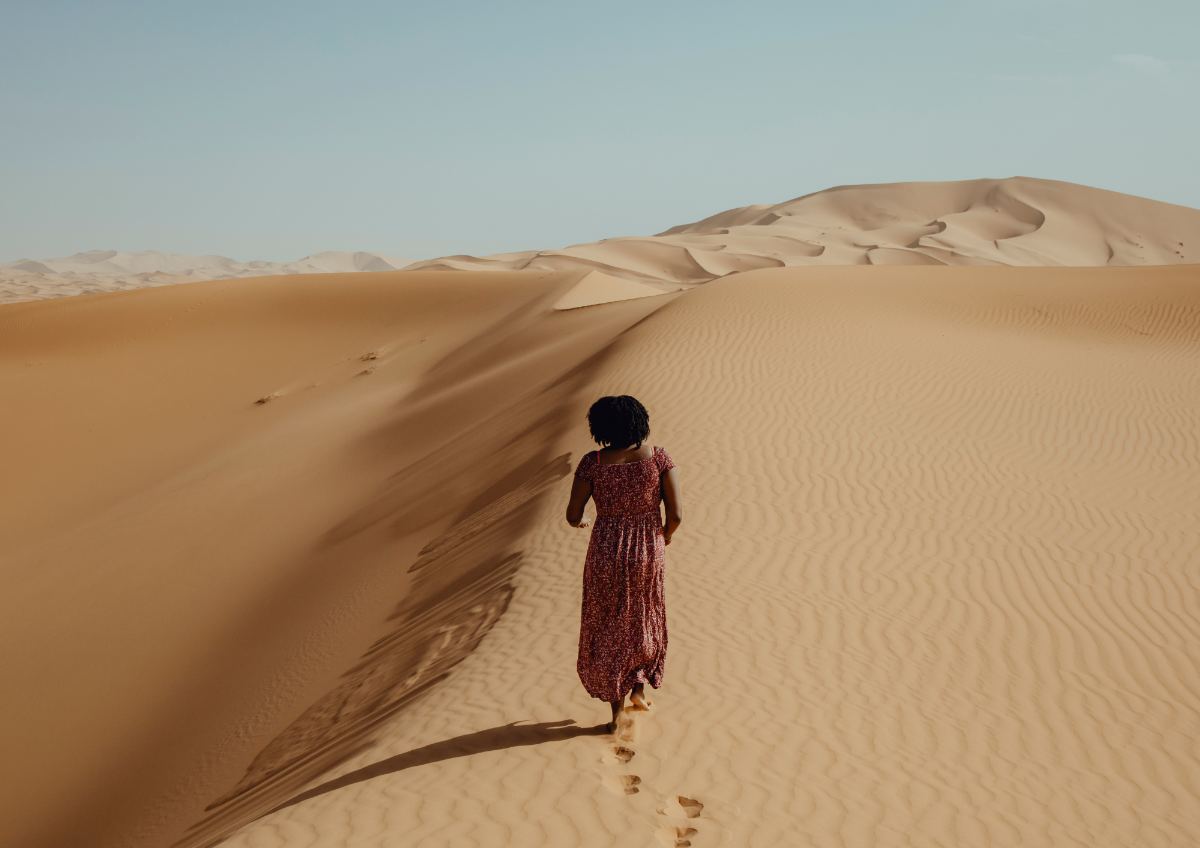
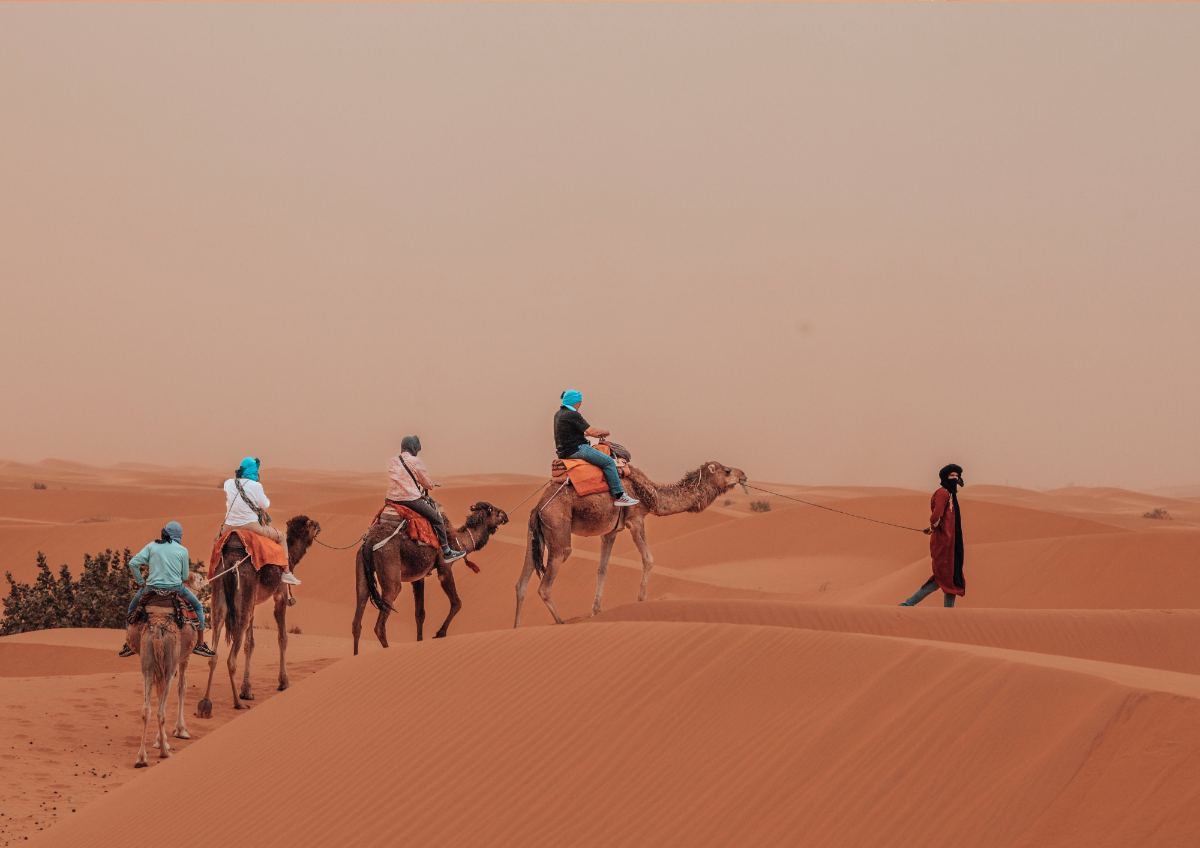
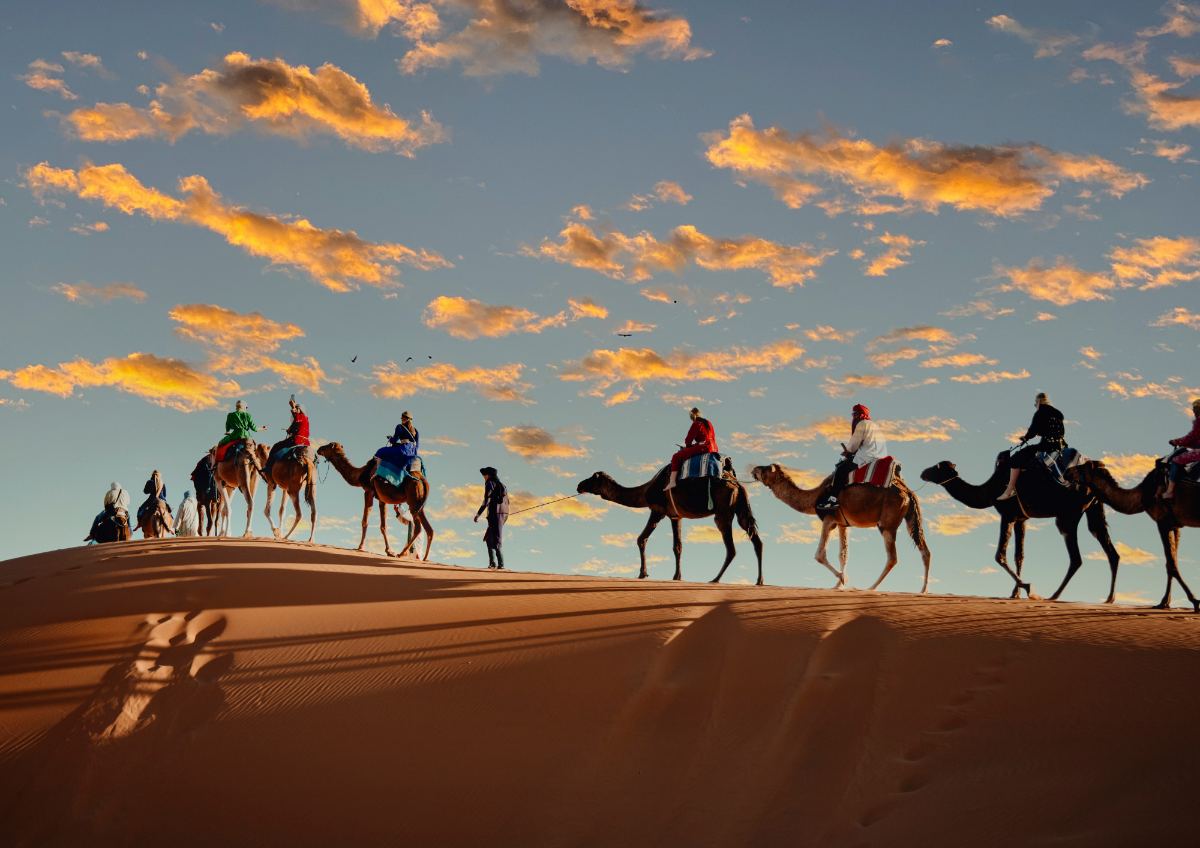
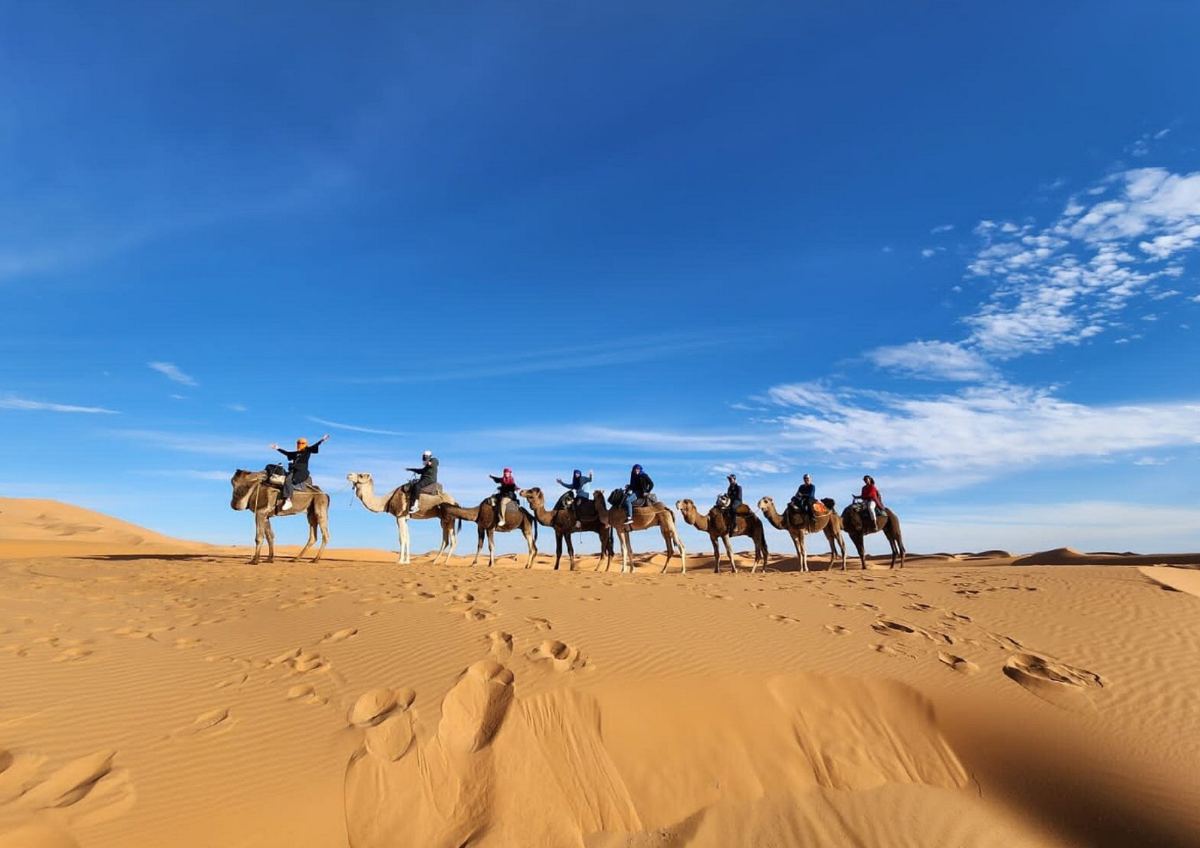
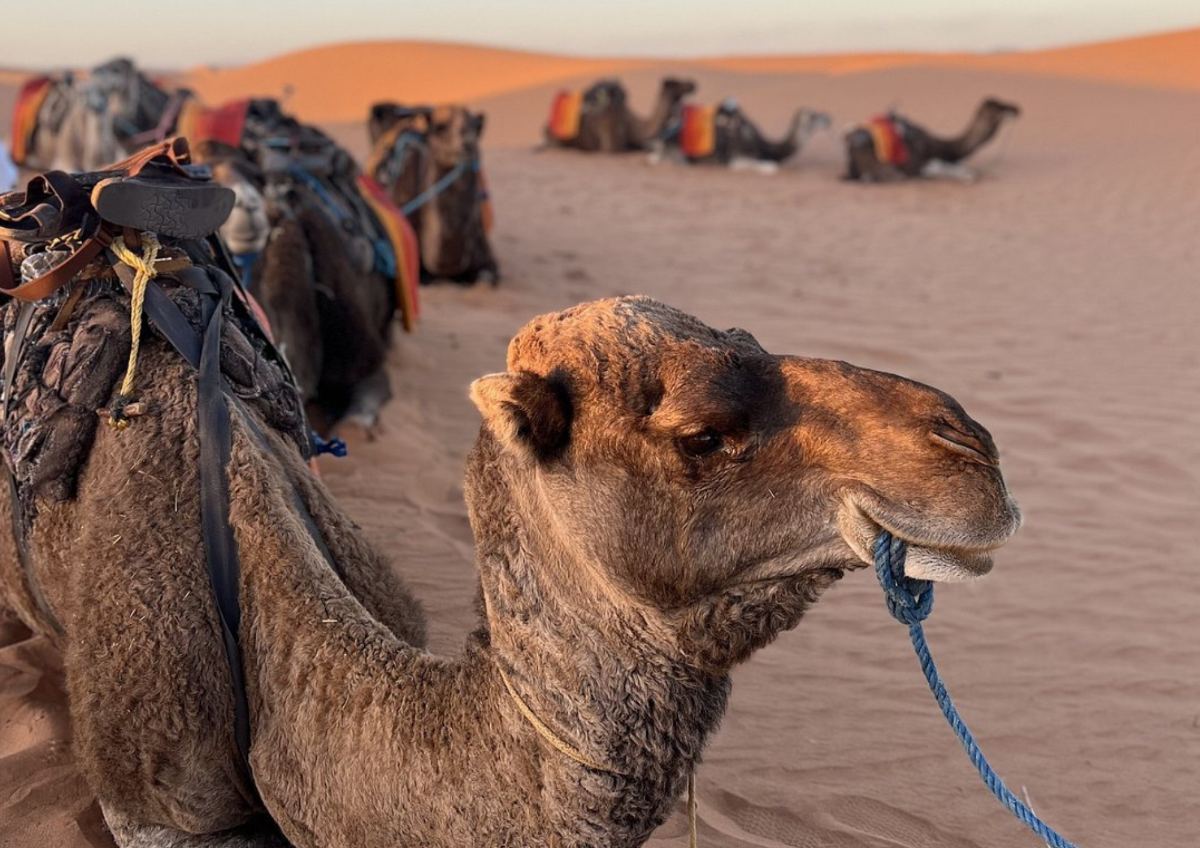
We arrive in the Merzouga desert by mid-afternoon. Camels are waiting. The caravan sets off across the rolling dunes and pauses on a tall ridge to take in a breathtaking sunset — all copper, amber, and deep gold. At camp, a cup of tea greets you, and your private tent is ready. A flavoursome dinner is followed by an evening around the campfire with live Berber drumbeats echoing across the silent dunes under a sky more densely starred than most people ever see in a lifetime.
Overnight in a luxury desert camp, Merzouga.
DAY 2: MERZOUGA DESERT DISCOVERY
Driving distance: Approximately 57 km | Driving time: Approximately 1 hr 15 min
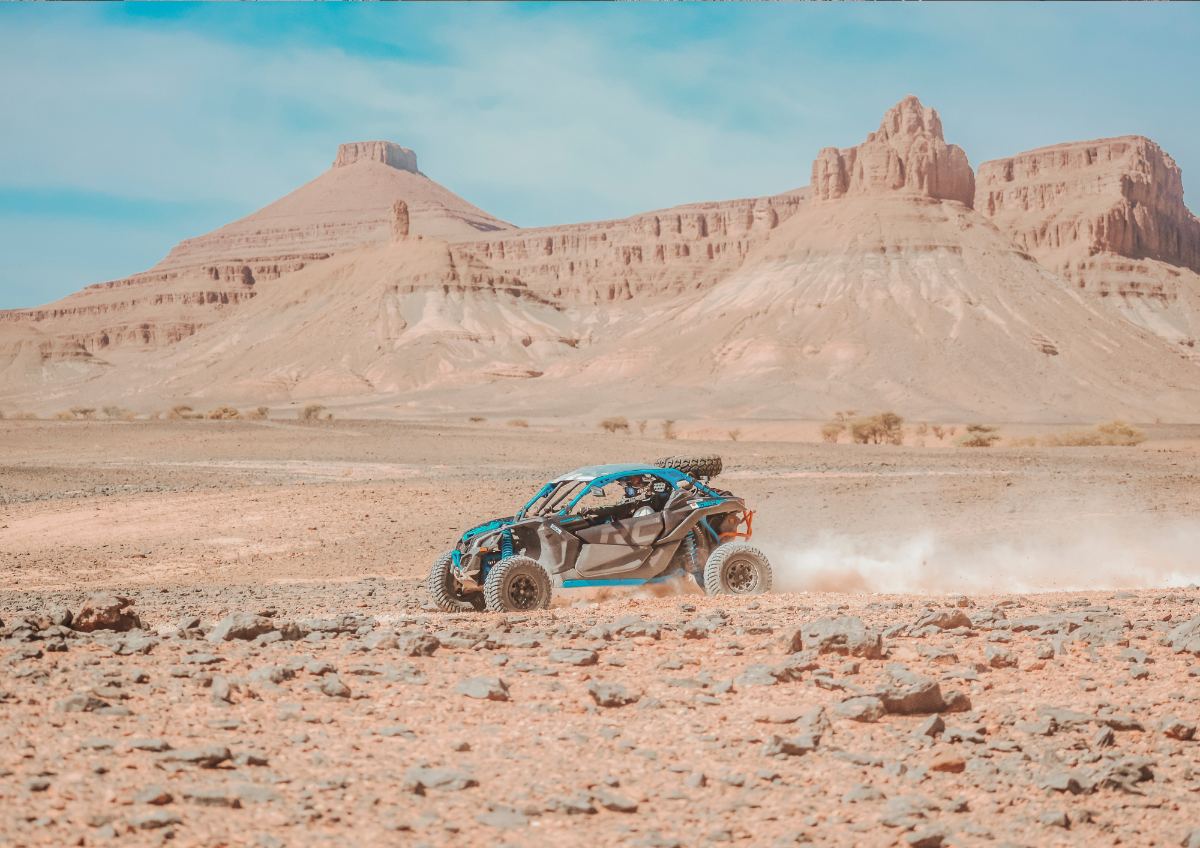
Early risers are rewarded handsomely with a pre-dawn climb to a nearby dune crest — the desert sunrise here is one of those experiences that gently rearranges your sense of what is possible. After a satisfying camp breakfast, the 4×4 day begins.
We drive to Khamlia, a small village whose residents descend from West African communities and who maintain an extraordinary musical tradition — the trance-like Gnawa style, rooted in ancient spiritual practice. From Khamlia we head off-road to M’Fis, a ghost village whose old galena mines once provided the mineral used to make traditional kohl eyeliner.
The most quietly moving stop of the day is a visit to a nomadic family camped near the dunes, close to the Algerian border. In their traditional tent, over sweet mint tea, you hear directly how these communities organise their lives far from cities and infrastructure. It is a perspective that most tourists never access.
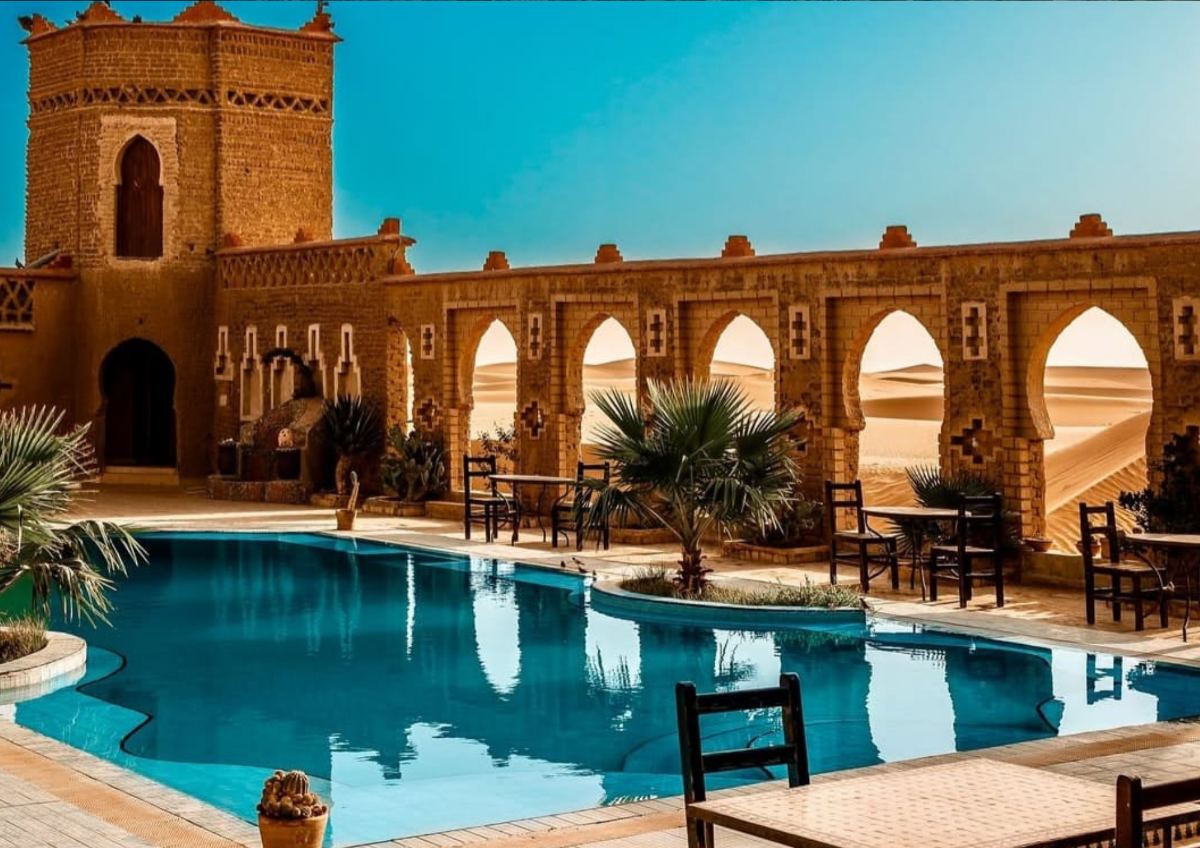
After lunch we transfer to a charming riad with panoramic dune views for your second night. The afternoon is free — swim, rest, or wander out to the dunes for yet another spectacular sunset. Dinner is served at the riad in the evening.
Overnight in a riad in Merzouga.
DAY 3: MERZOUGA DESERT → RISSANI → TODRA GORGE → DADES VALLEY
Driving distance: Approximately 310 km | Driving time: Approximately 5 hr
A filling riad breakfast sets you up for the drive west. We stop in Rissani — historically one of Morocco’s most significant towns, cradle of the Alaoui royal dynasty and a key node on the ancient trans-Saharan caravan network. If it falls on a market day (Sunday, Tuesday, or Thursday), the souk is a vivid and unmissable scene. Several additional photo stops are planned along the way.
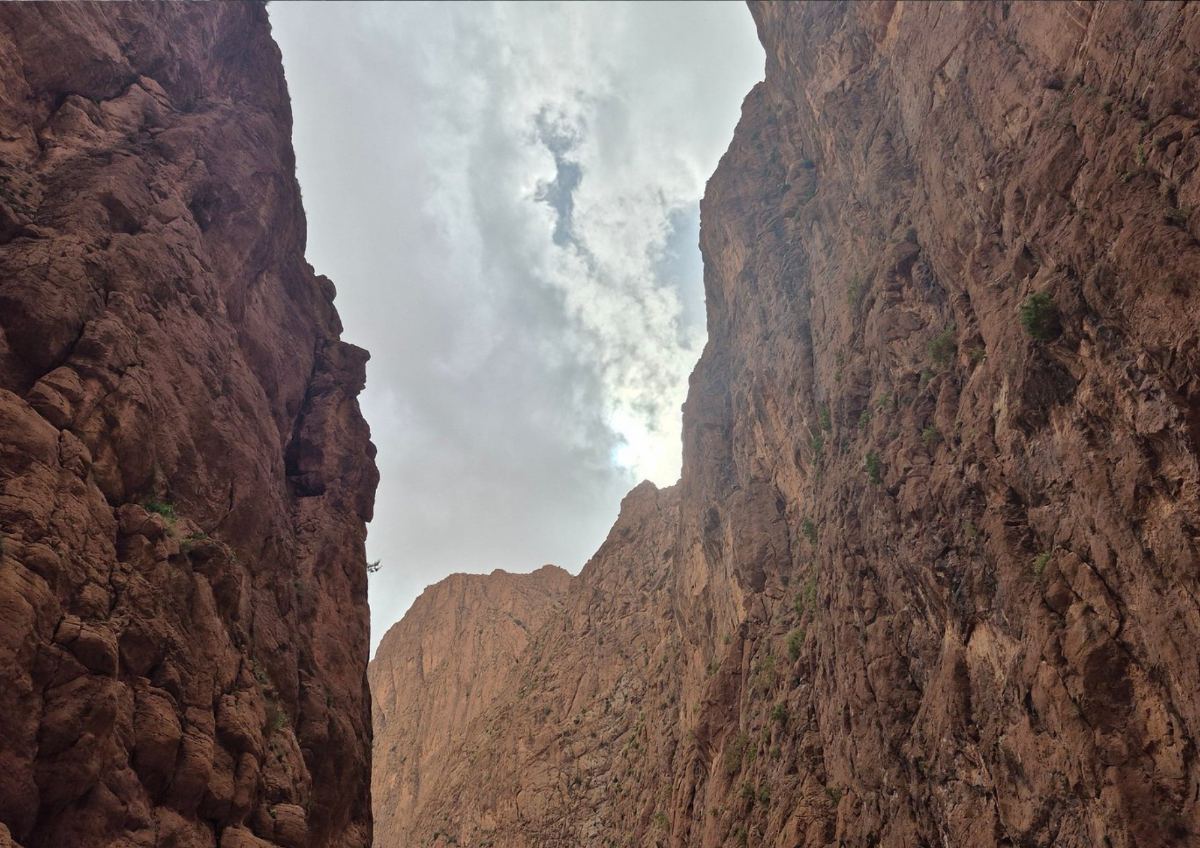
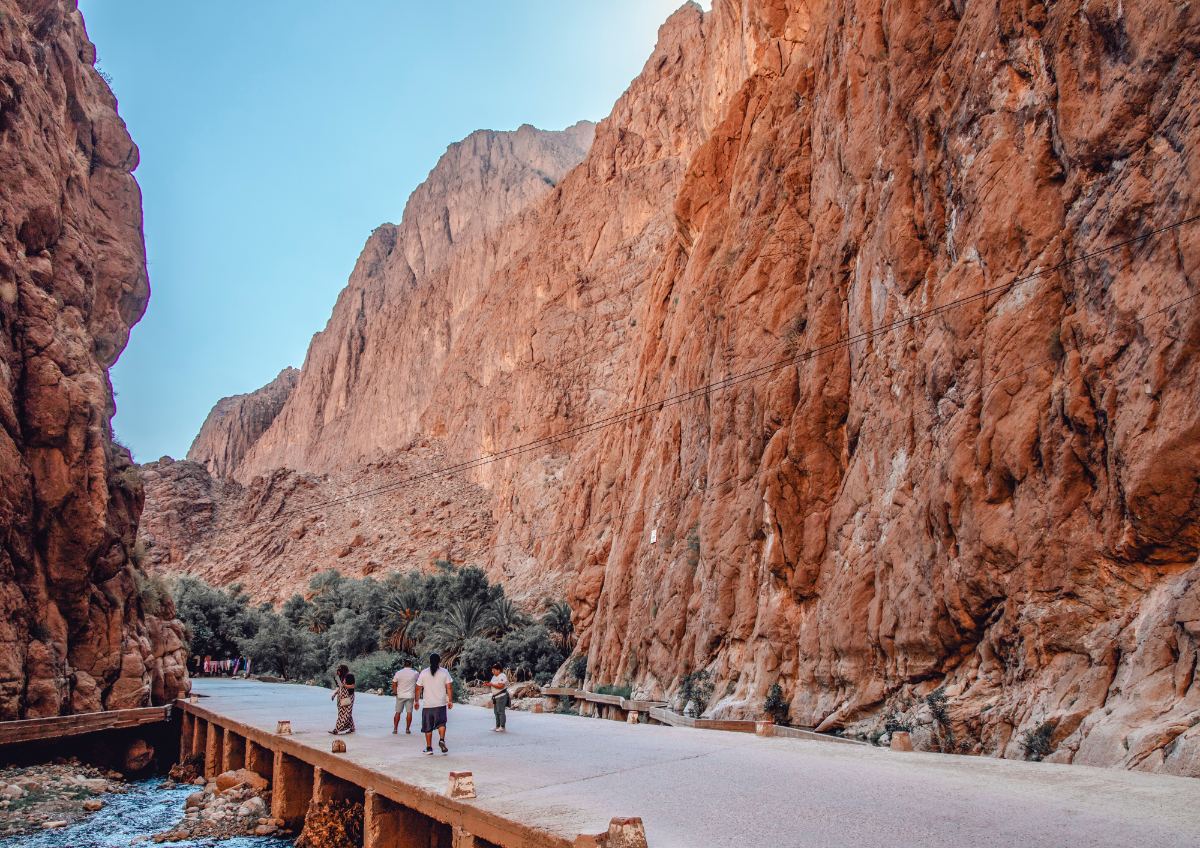
At Tinghir we walk the Todra Gorge, a natural canyon where the river has carved a narrow passage between sheer 300-metre cliffs — an extraordinary piece of geological drama. The further you walk in, the more the walls close around you.
We arrive in Dades Valley late in the afternoon. Check in, relax, and enjoy a good dinner before bed.
Overnight in a hotel in Dades Valley.
DAY 4: DADES VALLEY → BOU THARAR → KELAAT M’GOUNA → SKOURA → OUARZAZATE
The morning opens with breakfast at your hotel followed by the option of a guided hike through the Monkey Fingers Canyon — a short but spectacular walk past wind-sculpted rock columns and into a narrow slot canyon with panoramic views at the top.
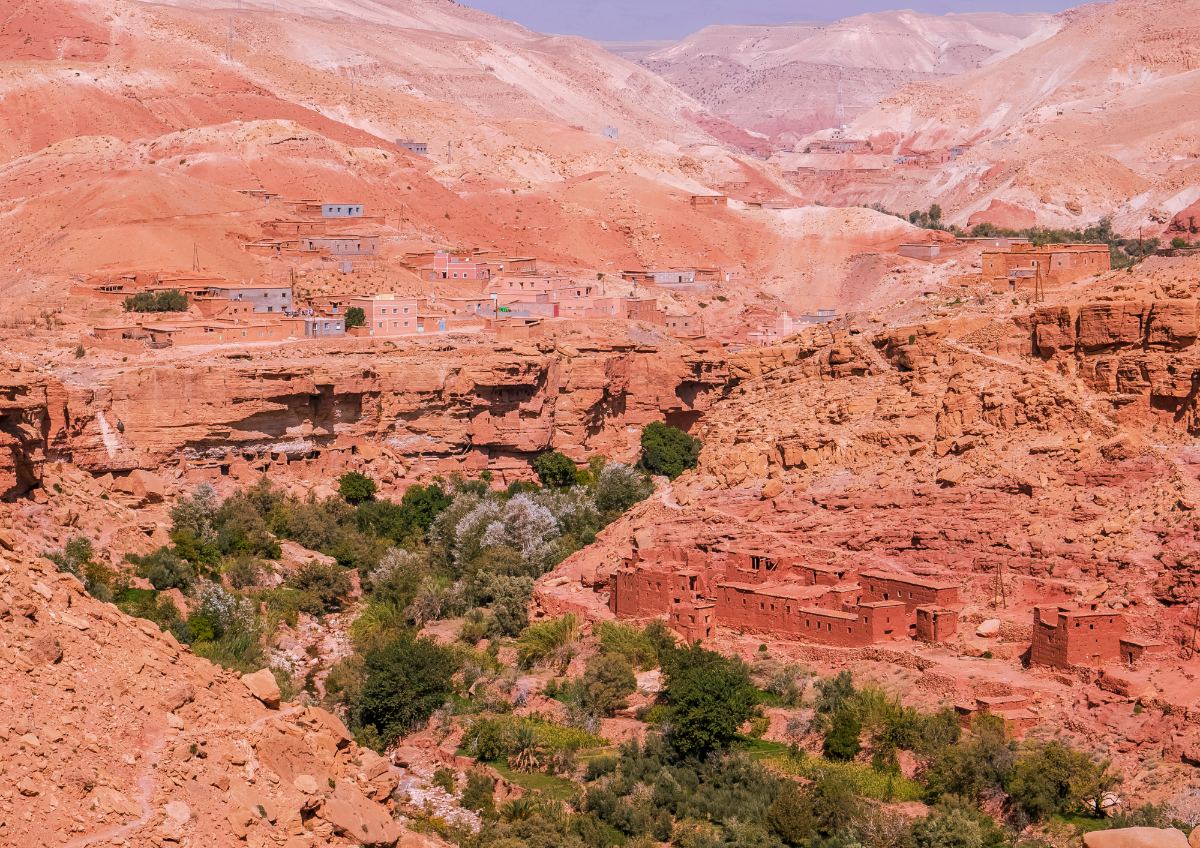
Leaving Dades Valley, we take an adventurous off-road route rather than the main highway. The detour brings us to Bou Tharar, where we make a memorable stop to visit a Nomadic Berber family living in a cave carved into the mountain face. Tea is shared; their lifestyle — resourceful, ancient, and entirely self-sufficient — is explained and explored at a relaxed pace.
From Bou Tharar we rejoin the route to Kelaat M’Gouna, gateway to the Rose Valley. Spring visitors will find the valley in full bloom, the air heavy with the scent of thousands of roses; at other times the landscape is still beautiful, with Berber villages and rose-water cooperatives to discover.
Next stop is Skoura, one of the great palm-grove oases of the pre-Sahara, once a vital resting point on the caravan routes between the Mediterranean and sub-Saharan Africa. We visit the Amridil Kasbah, a beautifully preserved fortified family residence that offers a window into how wealthy southern Moroccan families lived three centuries ago.
We arrive in Ouarzazate — Morocco’s film capital — by early evening and check into your hotel.
Overnight in a hotel in Ouarzazate.
DAY 5: OUARZAZATE → AIT BEN HADDOU → HIGH ATLAS MOUNTAINS → TELOUET KASBAH → MARRAKECH
After breakfast, we begin by exploring Ouarzazate itself — the gateway to the Sahara and a city whose association with international film-making has made it one of Morocco’s most recognisable names. Highlights include the Taourirt Kasbah and the famous Atlas Studios, the largest production facility on the African continent.
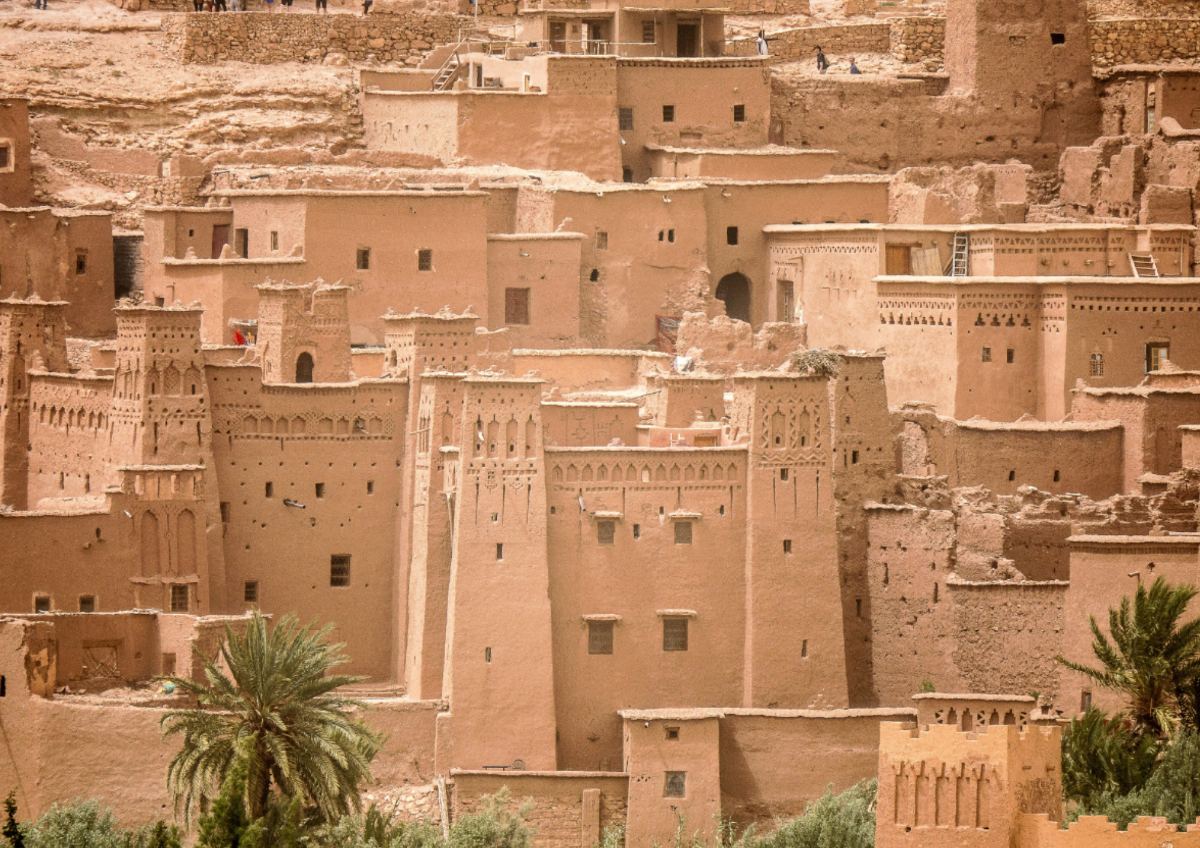
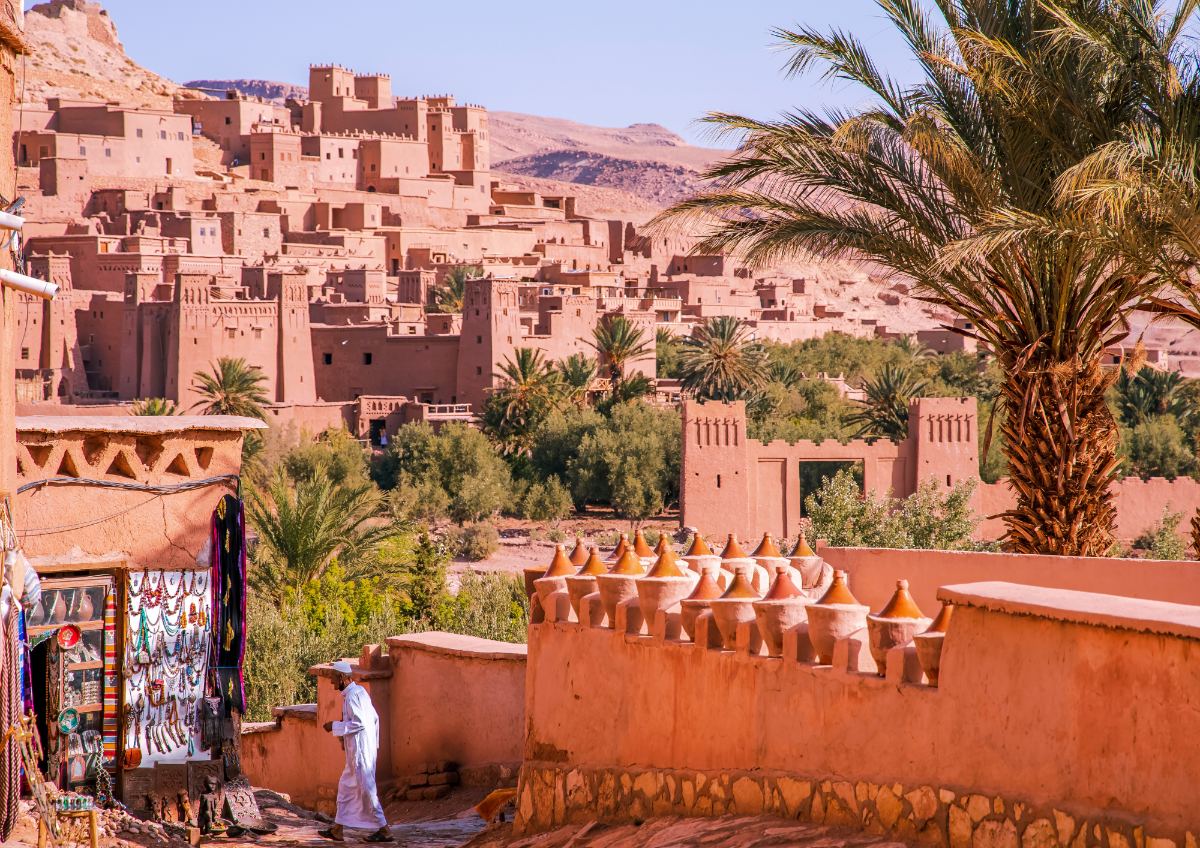
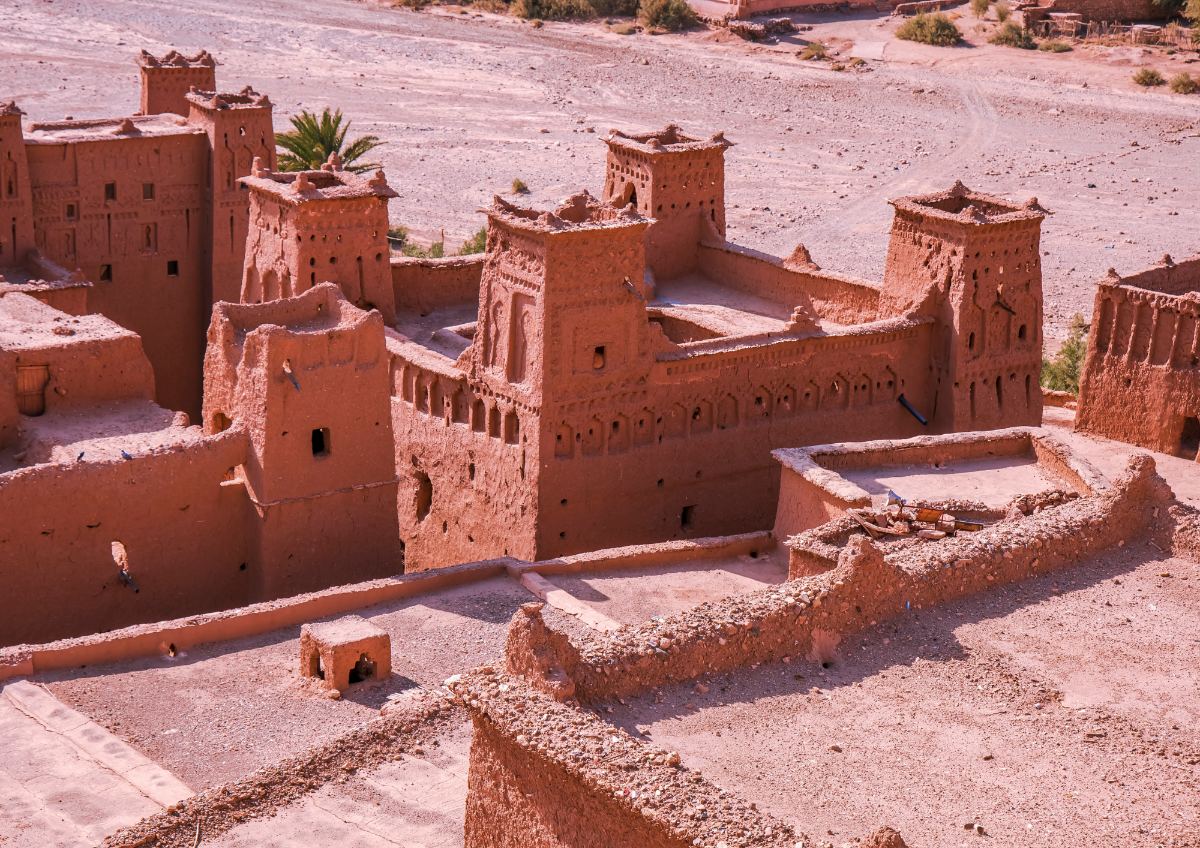
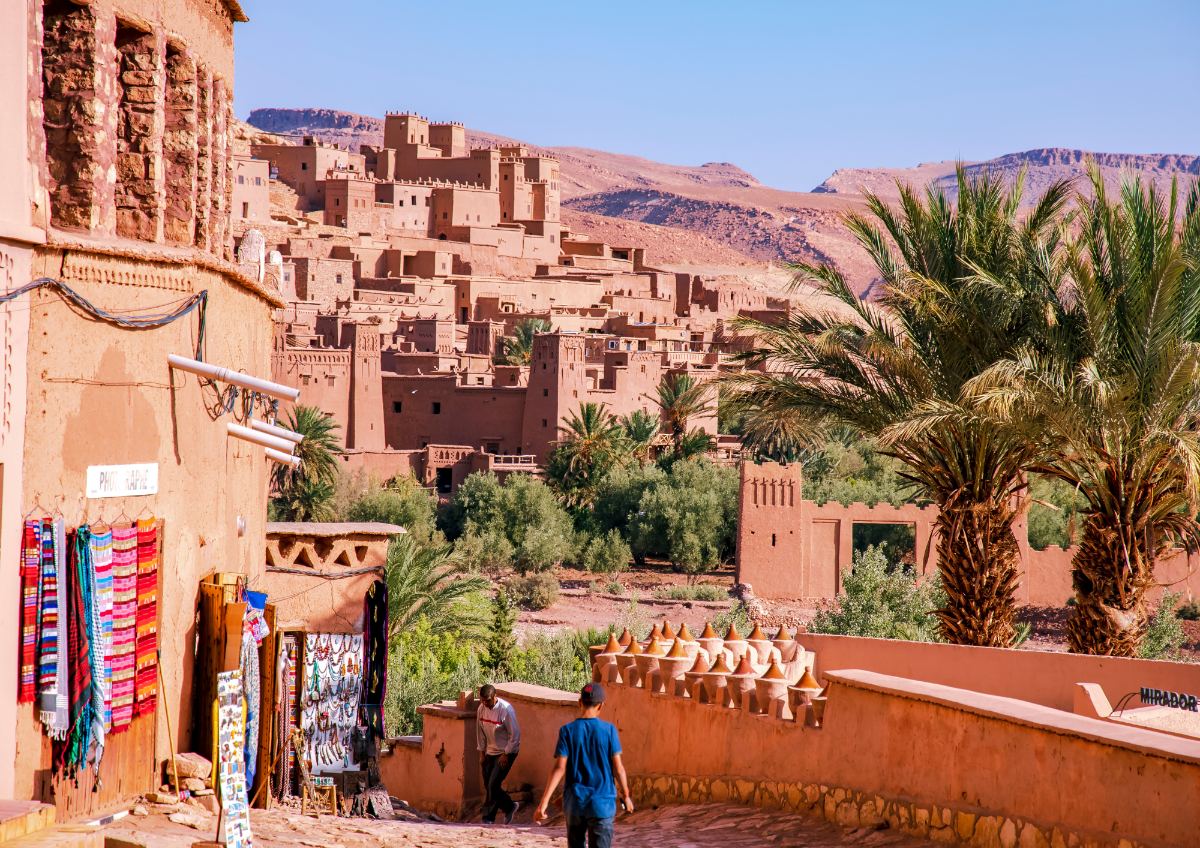
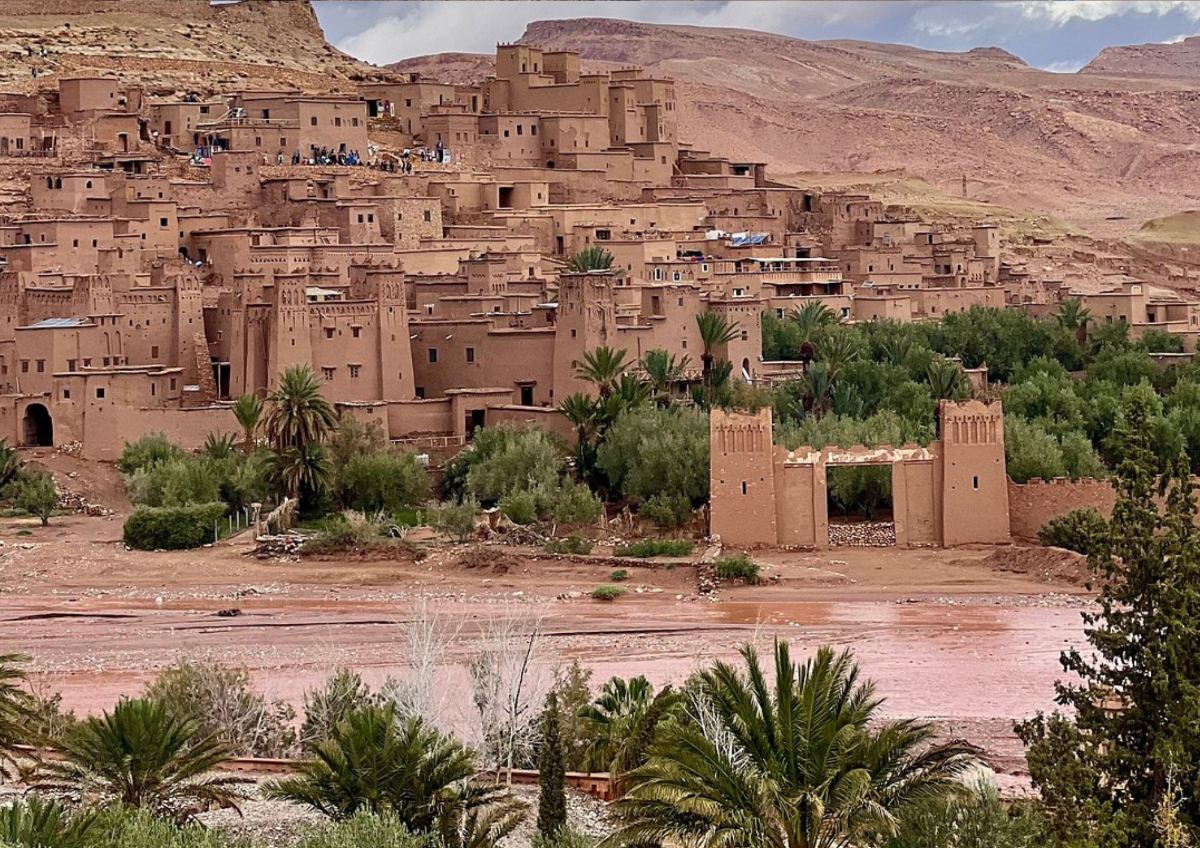
We then drive to Ait Ben Haddou, the UNESCO World Heritage-listed ksar that has appeared in more major films and series than almost any other site in North Africa — including Gladiator, The Mummy, and Game of Thrones. Its earthen towers, narrow lanes, and commanding hilltop position are every bit as impressive in person as on screen.
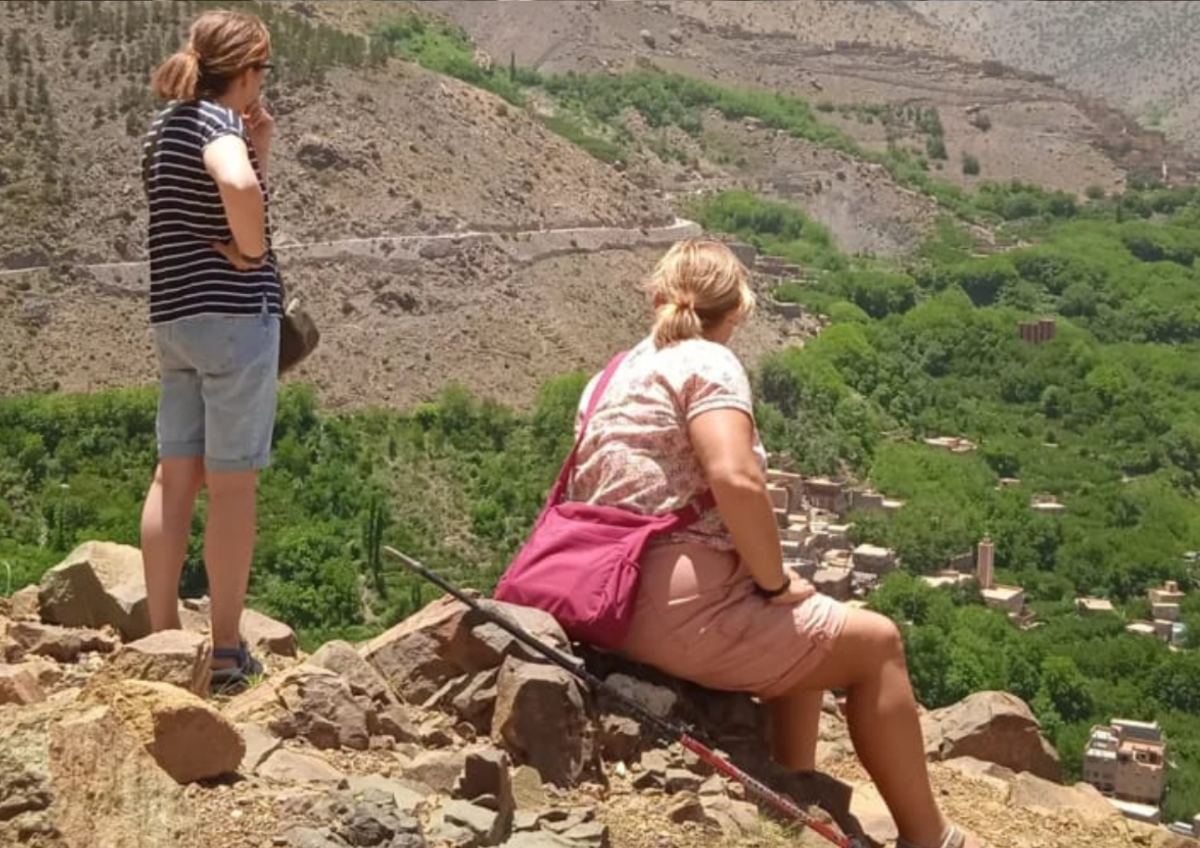
After lunch, we climb into the High Atlas on a scenic back route that passes the Telouet Kasbah — the once-formidable fortress of the El Glaoui family, whose crumbling grandeur is both haunting and beautiful. The descent toward the Marrakech plain in the afternoon light is a fittingly dramatic final act. We drop you at your hotel or riad in Marrakech, completing your 5 Days Tour from Fes to Marrakech.
Prices start from €150 per person, depending on group size, accommodation, and travel dates.
The rate of €150 per person applies to groups of 17 or more, while prices for smaller groups start from €220 per person for two travelers. Larger groups benefit from lower rates per person.
For a personalized quote tailored to your group and travel preferences, please contact us using the booking form on this page.
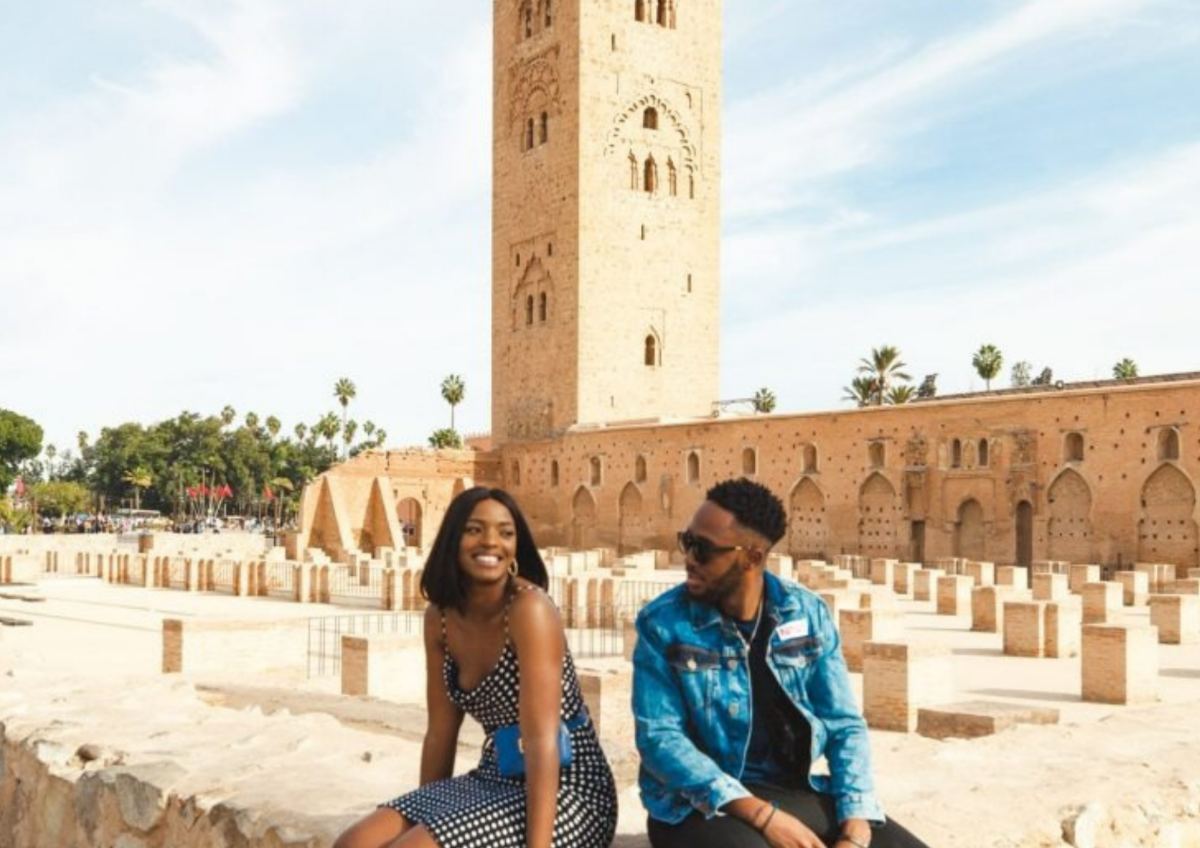
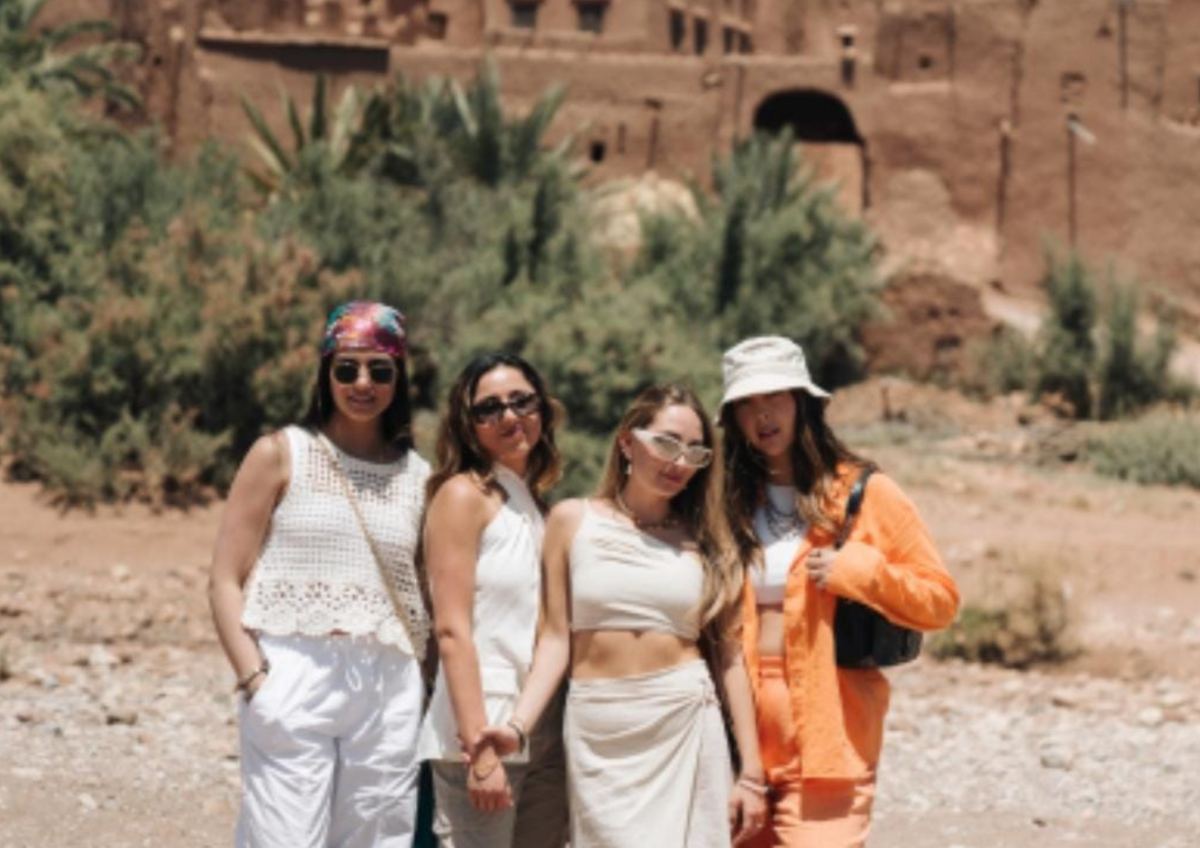
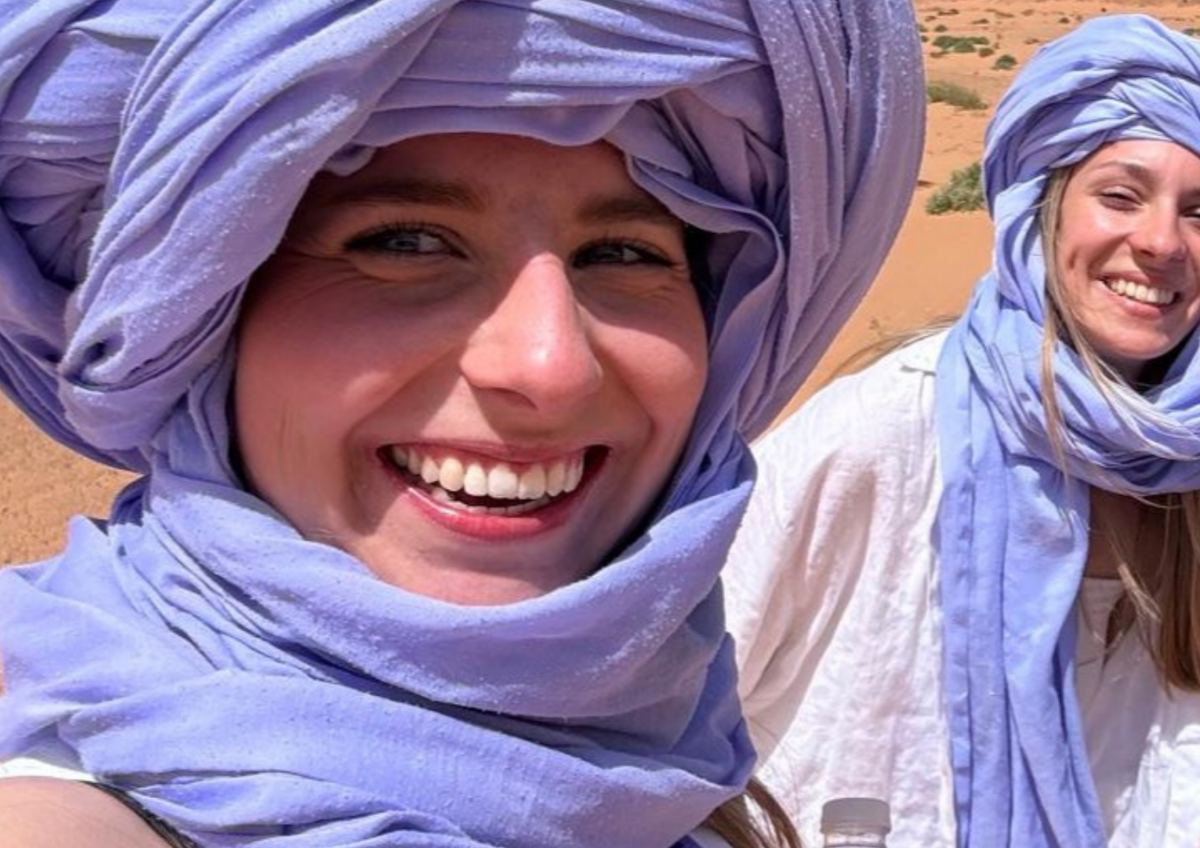
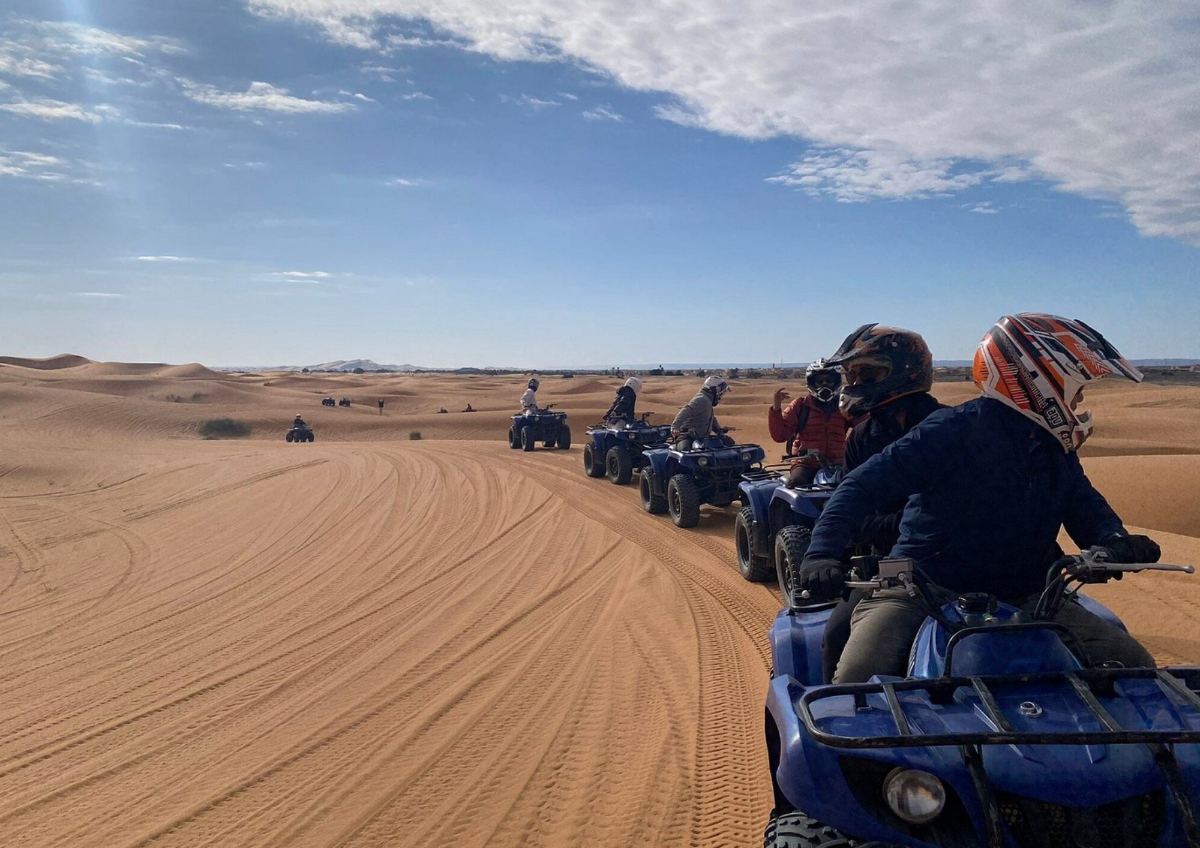
Spring (March to May) and autumn (September to November) are the ideal times to visit. The weather is comfortably warm, making it perfect for exploring the Imperial Cities, trekking in the mountains, or experiencing the desert. Summer can be extremely hot in the south, while winter brings chilly nights, particularly in the Sahara and the High Atlas.
Citizens of the US, Canada, the UK, Australia, New Zealand, and most European countries do not need a visa to enter Morocco for tourism purposes for stays of up to 90 days. You only need a passport that is valid for at least six months beyond your date of entry. Always check with your local Moroccan consulate for the most up-to-date requirements.
The official currency is the Moroccan Dirham (MAD). While large hotels, modern restaurants, and bigger shops in cities accept Visa and Mastercard, Morocco is still largely a cash-based society. You will need cash for the medinas, local markets, tipping, and travel in remote areas like the desert or mountains. ATMs are widely available in all major towns.
Yes, Morocco is widely considered one of the safest countries in Africa for tourists. Violent crime is rare. However, like in any major tourist destination, you should practice common sense. Keep an eye on your belongings in crowded souks to avoid pickpockets, and use registered guides for medina tours and remote treks.
The official languages are Arabic and Amazigh (Berber). French is the second, widely spoken language used in business and tourism. English is increasingly common in major tourist hubs, hotels, and among younger generations, but learning a few basic Arabic or French phrases is always highly appreciated by locals.
Morocco is a conservative, predominantly Muslim country, and dressing modestly shows respect for the local culture. Both men and women should aim to cover their shoulders and knees. Loose, lightweight clothing is ideal for staying cool while remaining respectful. In more modern cities like Marrakech, dress codes are relaxed, but modesty is strictly advised in rural villages and the medinas.
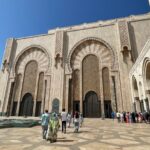
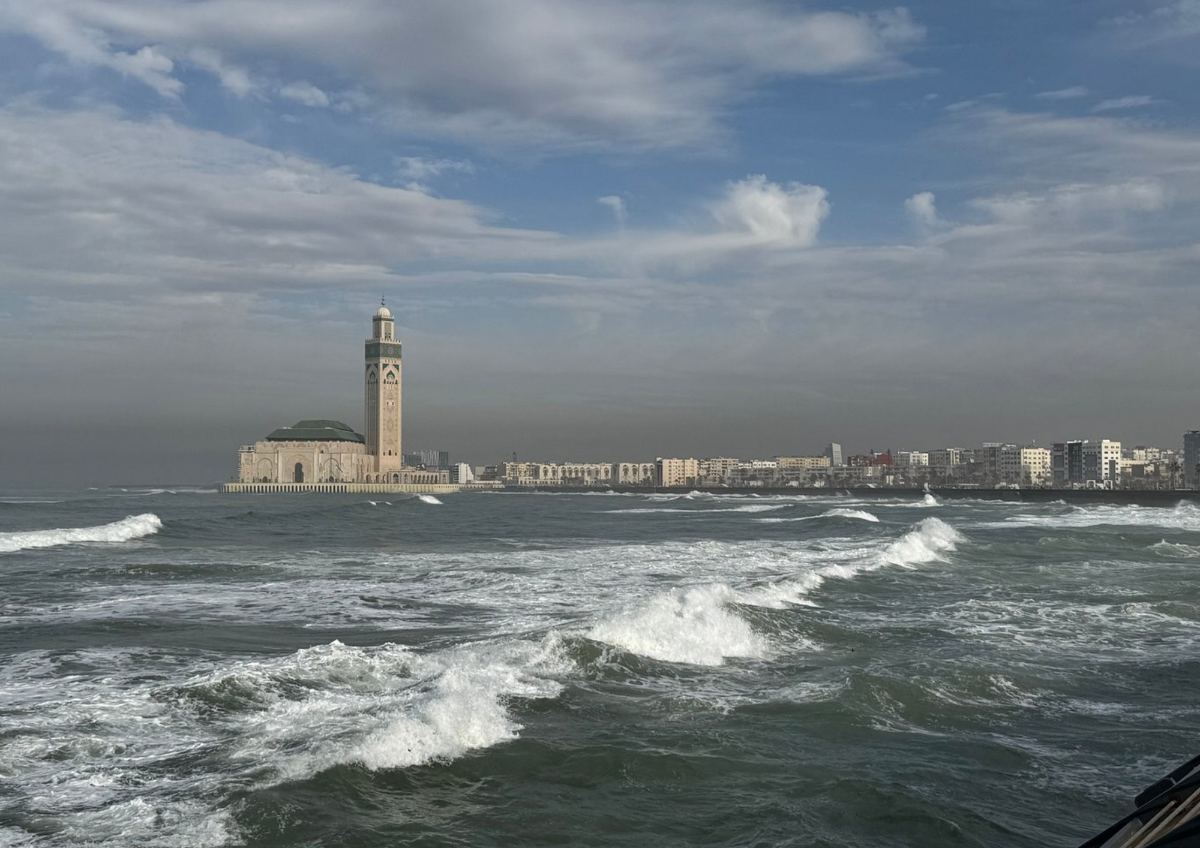
With a few exceptions, non-Muslims are generally not permitted to enter active mosques in Morocco. The most notable exception is the spectacular Hassan II Mosque in Casablanca, which offers guided tours to all visitors.
Yes, tipping (baksheesh) is an established part of Moroccan culture and is highly appreciated for good service. A general rule is to leave 10% to 15% in restaurants. For drivers and tour guides, tipping around 50 to 100 MAD per person, per day is a standard guideline depending on your satisfaction.
Haggling is an expected and enjoyable part of shopping in Moroccan souks. When you ask for a price, expect the vendor’s first offer to be high. Counter with about a third or half of that price, and negotiate until you meet in the middle. Always negotiate with a smile and a friendly attitude.
While Morocco is an Islamic country, alcohol is legal and available. You can purchase it in licensed bars, hotels, large supermarkets, and tourist-focused restaurants. Drinking in public spaces outside of these licensed venues is not permitted.
To truly enjoy the experience without spending your entire trip in a vehicle, a minimum of 3 days and 2 nights is recommended for a desert tour starting from Marrakech to the Merzouga dunes (Erg Chebbi). If you have more time, a 4-day trip allows for a more relaxed pace to explore the Kasbahs, gorges, and valleys along the way.
Bring comfortable, breathable clothing for daytime camel trekking and a warm fleece or jacket for the night, as desert temperatures drop significantly after sunset. Essential items include sunglasses, a sun hat, sunscreen, closed-toe walking shoes, and a small daypack for your overnight items.
Erg Chebbi (near Merzouga) features the highest, most iconic dunes and is easily accessible by paved roads, making it a popular choice. Erg Chigaga (near Zagora/M’Hamid) offers a wilder, more remote experience that requires off-road 4×4 driving to reach, appealing to those looking for an off-the-beaten-path adventure.
We offer trekking experiences for all levels. Gentle day hikes through Berber villages require only basic fitness and a good pair of walking shoes. Multi-day ascents, such as climbing Mount Toubkal, require a good level of physical stamina and proper hiking gear, though no technical climbing skills are needed in the warmer months.
Absolutely. Moroccans love children, and family travel is highly welcomed. Desert camps, camel rides, and short walks in the Atlas Mountains are fantastic experiences for kids. We can customize the pace of the itinerary, limit driving times, and ensure family-friendly accommodations for your comfort.
For maximum flexibility and comfort, hiring a private driver is the most highly recommended way to travel. It allows you to stop at scenic viewpoints, hidden Kasbahs, and local cooperatives at your own pace. For budget travelers, Morocco’s rail network (including the high-speed Al Boraq train) efficiently connects major cities like Casablanca, Rabat, Tangier, and Fes.
While tap water in major cities is treated, it has different mineral contents that can upset a traveler’s stomach. It is highly recommended to stick to sealed bottled water or use a filtered water bottle for drinking and brushing your teeth.
Morocco operates on a 220V supply voltage and uses standard European two-pin round plugs (Type C and Type E). If you are traveling from the US, UK, or Australia, you will need a universal travel adapter.
Wi-Fi is widely available for free in most hotels, riads, and cafes across the country. If you want continuous access on the road, you can easily purchase an inexpensive local prepaid SIM card (from providers like Maroc Telecom, Orange, or Inwi) at the airport upon arrival.
Moroccan cuisine is world-renowned. Must-try dishes include Tagine (a slow-cooked savory stew made with meat, poultry, or fish), Couscous (traditionally served on Fridays), Pastilla (a sweet and savory meat pie), and Harira (a rich tomato and lentil soup). Meals are almost always accompanied by the famous Moroccan sweet mint tea.