+212661359960
cruisersahara6@gmail.com

ITINERARY
DAY 1: TANGIER → CHEFCHAOUEN
Your 8-day tour from Tangier to Marrakech begins with a warm welcome at Tangier airport, one of its ports, or your chosen hotel in Tangier. Our local guide greets you and accompanies you from this first moment to the last.
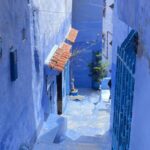
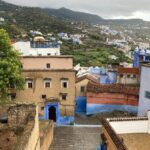
We head inland through the Rif foothills toward Chefchaouen — a mountain town of extraordinary visual impact whose blue-washed medina is one of the most photographed places in Africa. After checking into your hotel or riad, the rest of the day belongs to you. Wander the steep blue alleyways, browse the craft markets for handwoven rugs and aromatic spices, climb to the viewpoint above the medina for a panorama of the whole town, or simply sit in a cafe and let Chefchaouen wash over you.
Overnight in a riad/hotel in Chefchaouen.
DAY 2: CHEFCHAOUEN → VOLUBILIS → MEKNES → FES
Breakfast at your riad sets up a day of serious historical discovery. We drive south through the Rif countryside — a landscape of rolling green hills, terraced farms, and cedar woods — to Volubilis, the most impressive Roman site in Morocco and one of the finest in the entire Mediterranean world.
Walking through Volubilis is a quietly profound experience. The ruins date from the 3rd century and include well-preserved mosaics, a triumphal arch, a forum, a basilica, and the remains of grand private homes. Many of the mosaic floors remain astonishingly vivid — mythological scenes, athletic competitions, and portraits of gods rendered in thousands of tiny coloured tiles by craftsmen who worked nearly two thousand years ago.
From Volubilis, Meknes is a short drive south. Founded in the 17th century by the Sultan Moulay Ismail as his imperial capital, Meknes is less visited and more authentic than Fes or Marrakech, and all the more rewarding for it. After lunch we explore its historic walled medina and visit the Bab el Mansour — a triumphal gate whose carved plasterwork and zellige panels are among the finest examples of Moroccan decorative arts. The Mausoleum of Moulay Ismail, where the sultan himself rests, is a deeply serene and beautifully maintained site.
We arrive in Fes as evening begins, and a charming riad in the medina awaits.
Overnight in a riad in Fes.
DAY 3: GUIDED EXPLORATION OF FES
A full day in Fes, Morocco’s oldest imperial city, with a dedicated local guide. Few experiences in Morocco match the sensation of entering the Fes el-Bali Medina — a UNESCO World Heritage Site and the largest car-free urban environment in the world — and allowing a genuine expert to lead you through its nine thousand lanes.
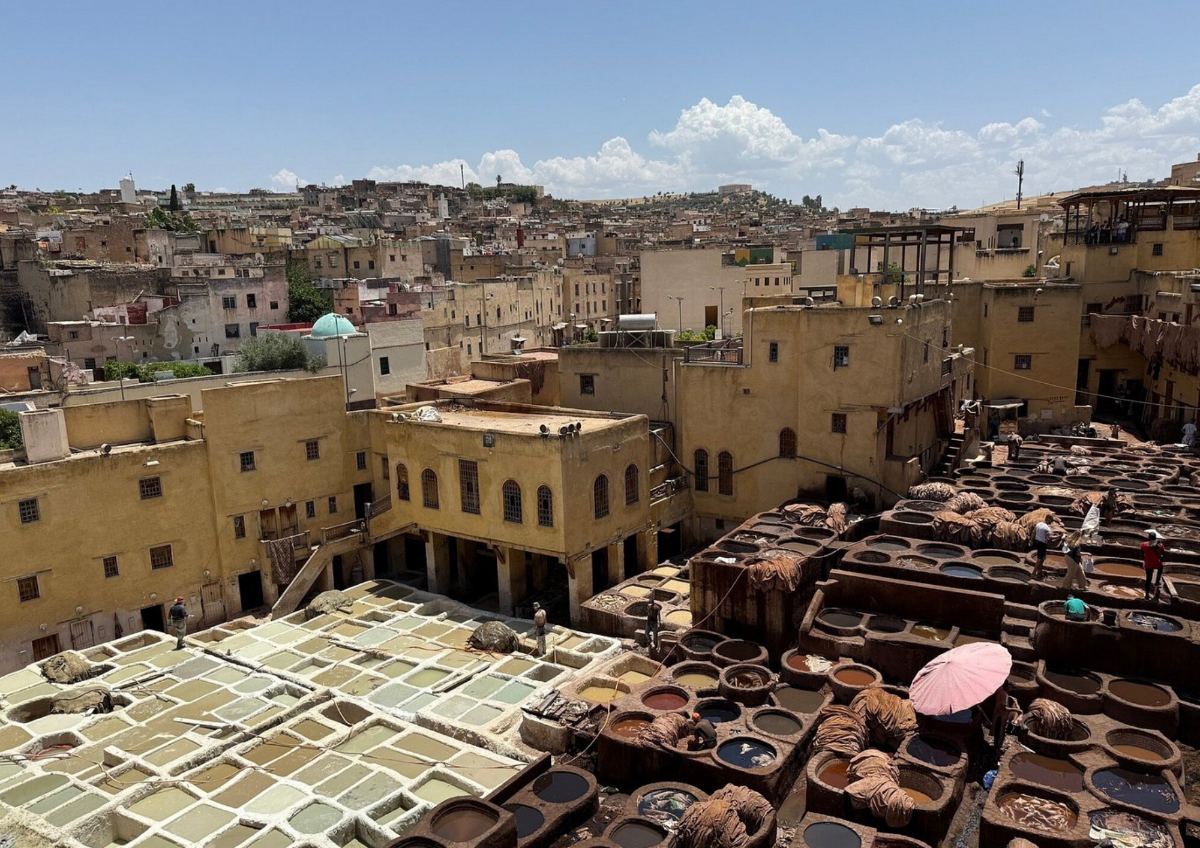
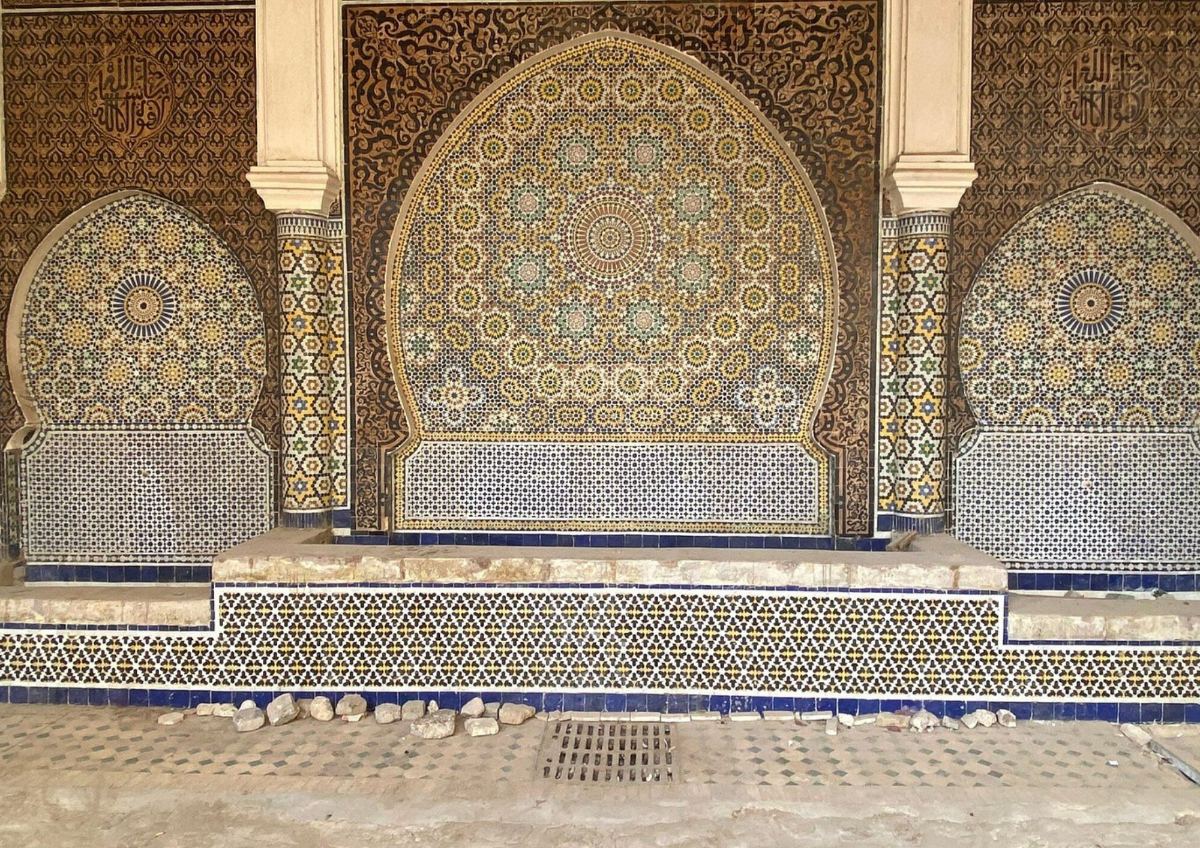
The day opens at the gates of the Royal Palace, then descends into the medieval city. Key stops include Al-Qarawiyyin University, established in 859 and recognised as the world’s oldest continuously operating degree-granting institution; the Al-Attarine Madrasa, whose carved plasterwork, cedar lattices, and zellige tilework represent the apex of Moroccan decorative craftsmanship; the Nejjarine fountain and the museum of Moroccan woodwork it anchors; and the Chouara Tanneries, where leather has been cured in the same stone vats using the same natural pigments for over a thousand years.
The Mellah — Fes’s historic Jewish quarter — provides a fascinating further dimension to the city’s layered identity. The day ends at a hilltop fortress, where the view of the Medina below — thousands of rooftops, a hundred minarets, smoke from dyers and bakers, and the sound of the call to prayer echoing from all directions — delivers one of the most memorable panoramas in Morocco.
Overnight in a riad in Fes.
DAY 4: FES → IFRANE → MIDDLE ATLAS MOUNTAINS → ZIZ VALLEY → MERZOUGA DESERT
After breakfast in Fes, we begin the long and scenic drive south to the Merzouga desert. The journey is an adventure in itself.
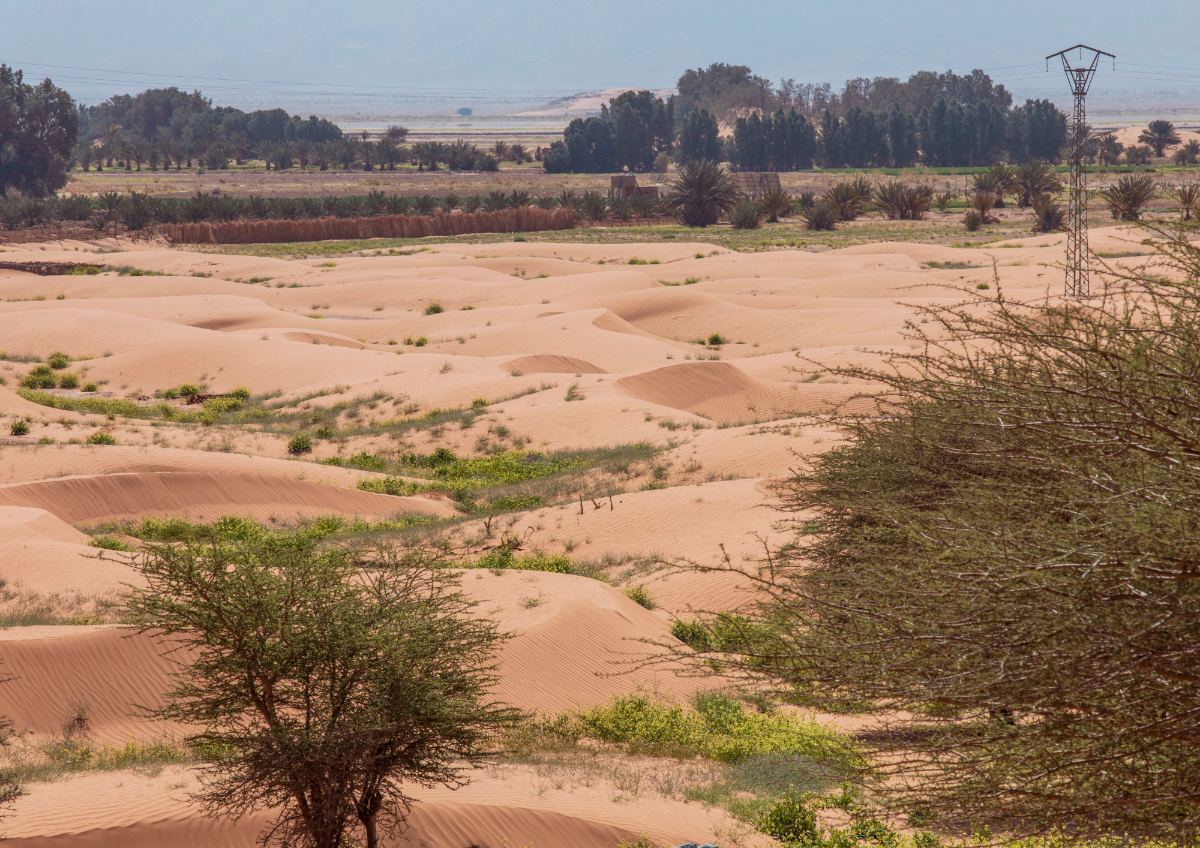
A first stop in Ifrane — a mountain resort town of surprising European character, perched at 1,650 metres in the Middle Atlas — provides a chance to stretch, photograph the neat streets and red-tiled chalets, and enjoy the fresh mountain air. From Ifrane the road enters the cedar forest near Azrou, where Barbary macaques loiter at the roadside with total confidence and will often approach vehicles. Lunch follows at a good local restaurant before we descend toward the Ziz Valley — a long, shimmering palm-grove oasis that winds through the stark pre-desert plateau, one of the most dramatic landscape transitions in Morocco.
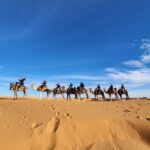
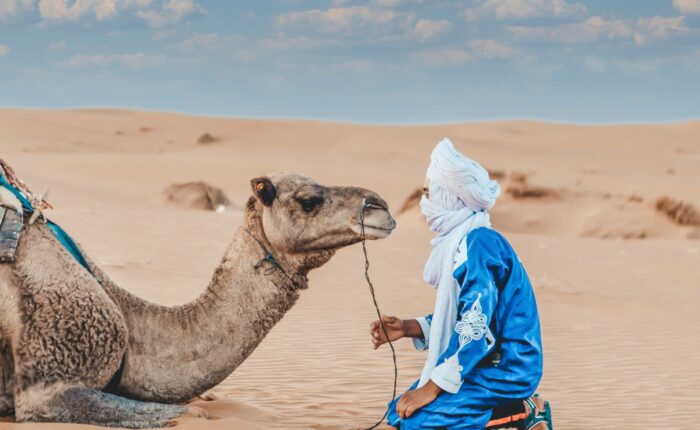
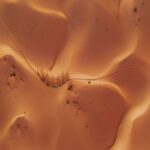
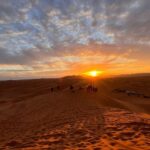
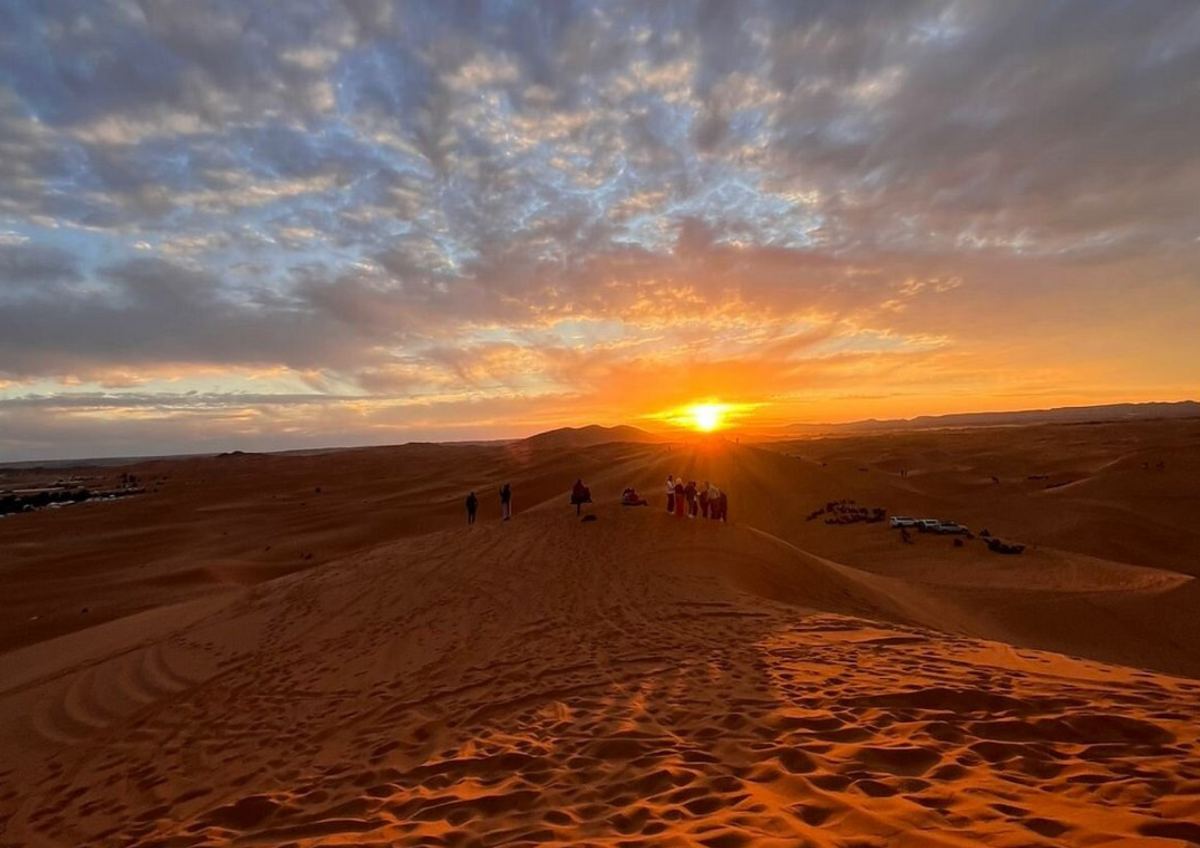
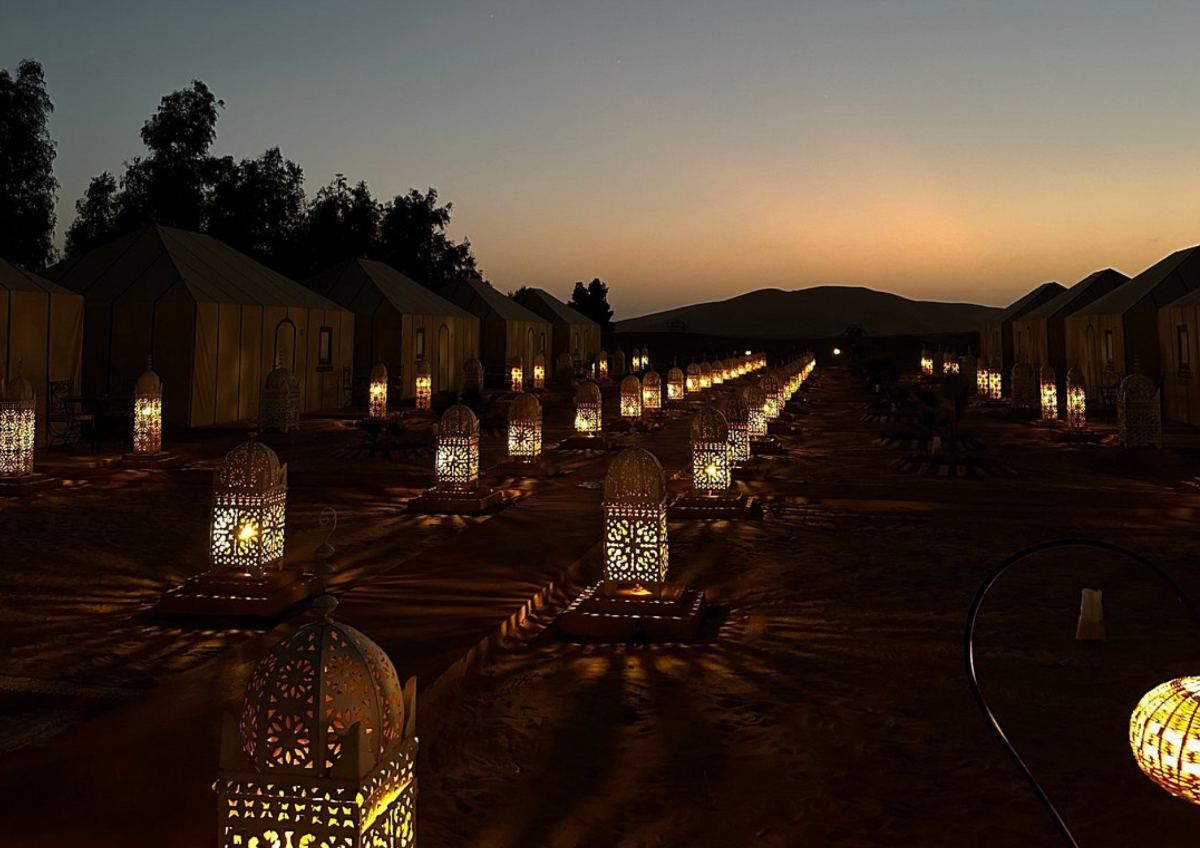
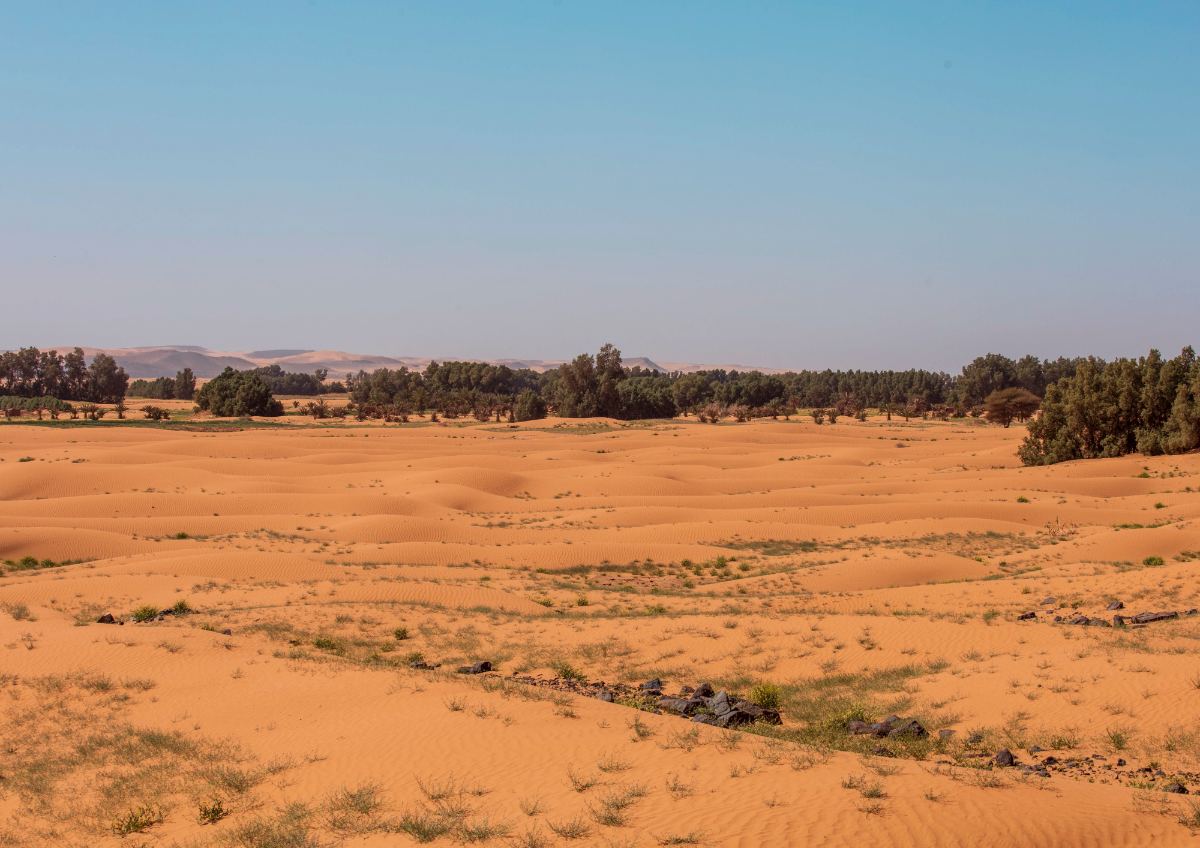
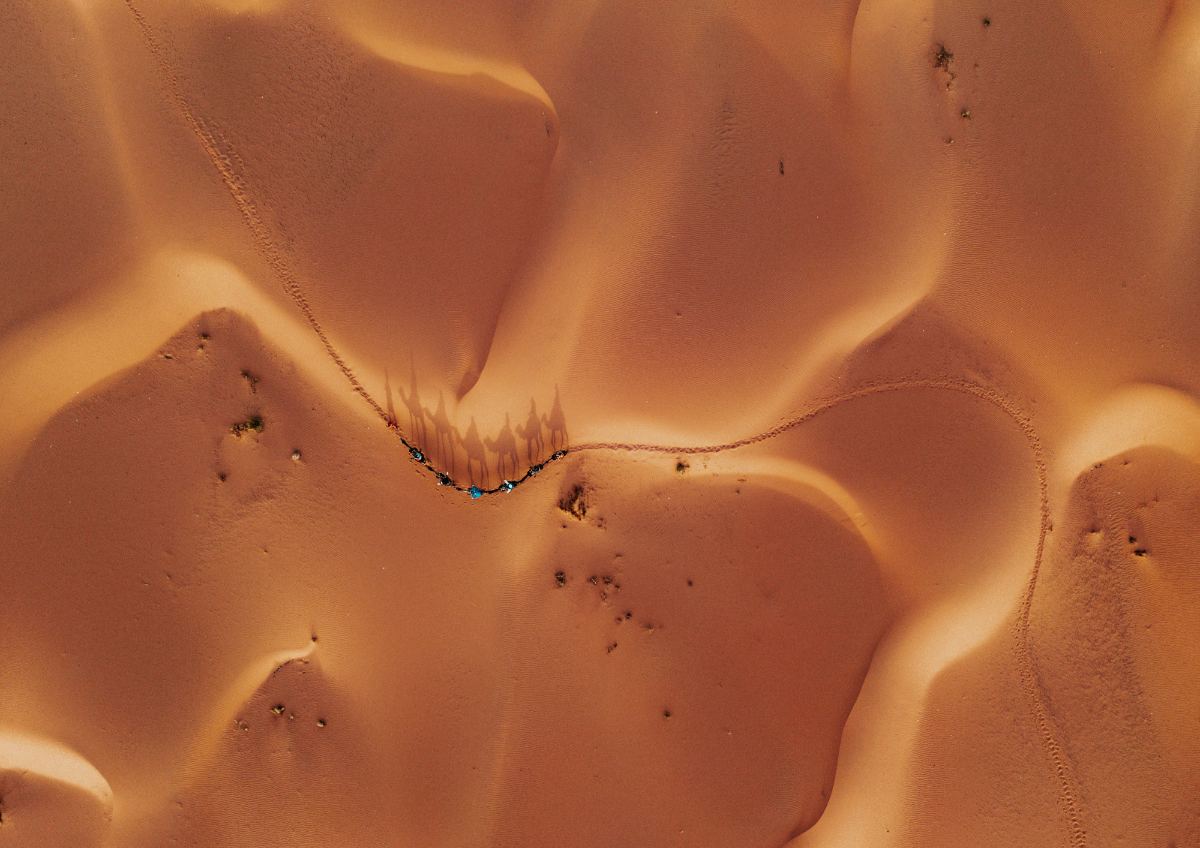
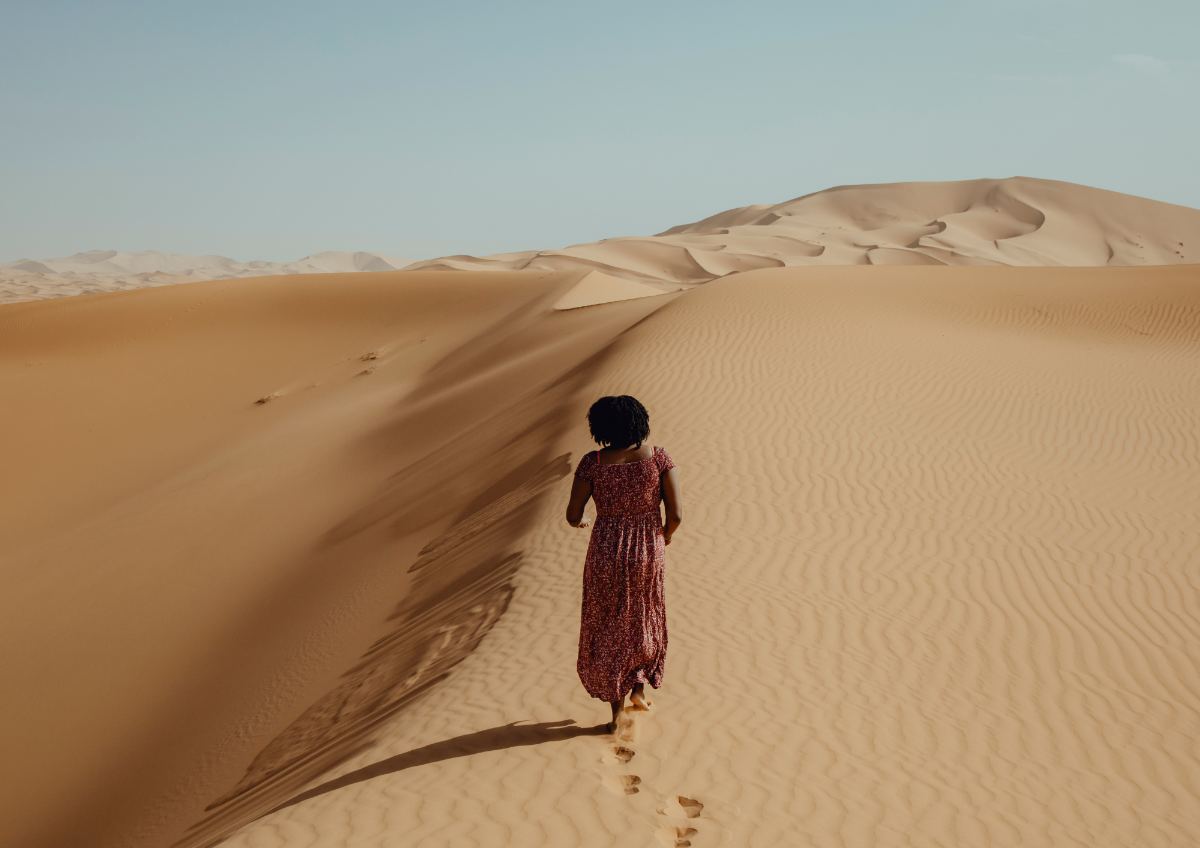
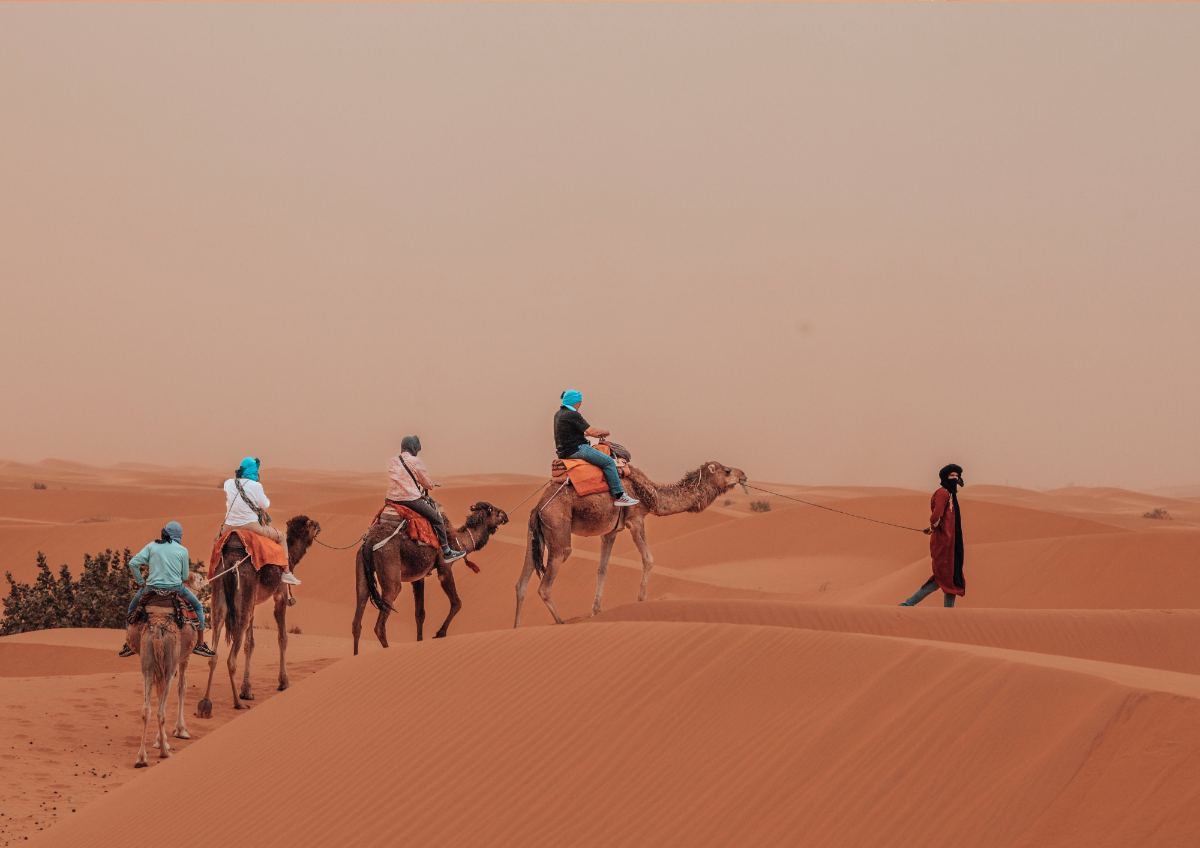
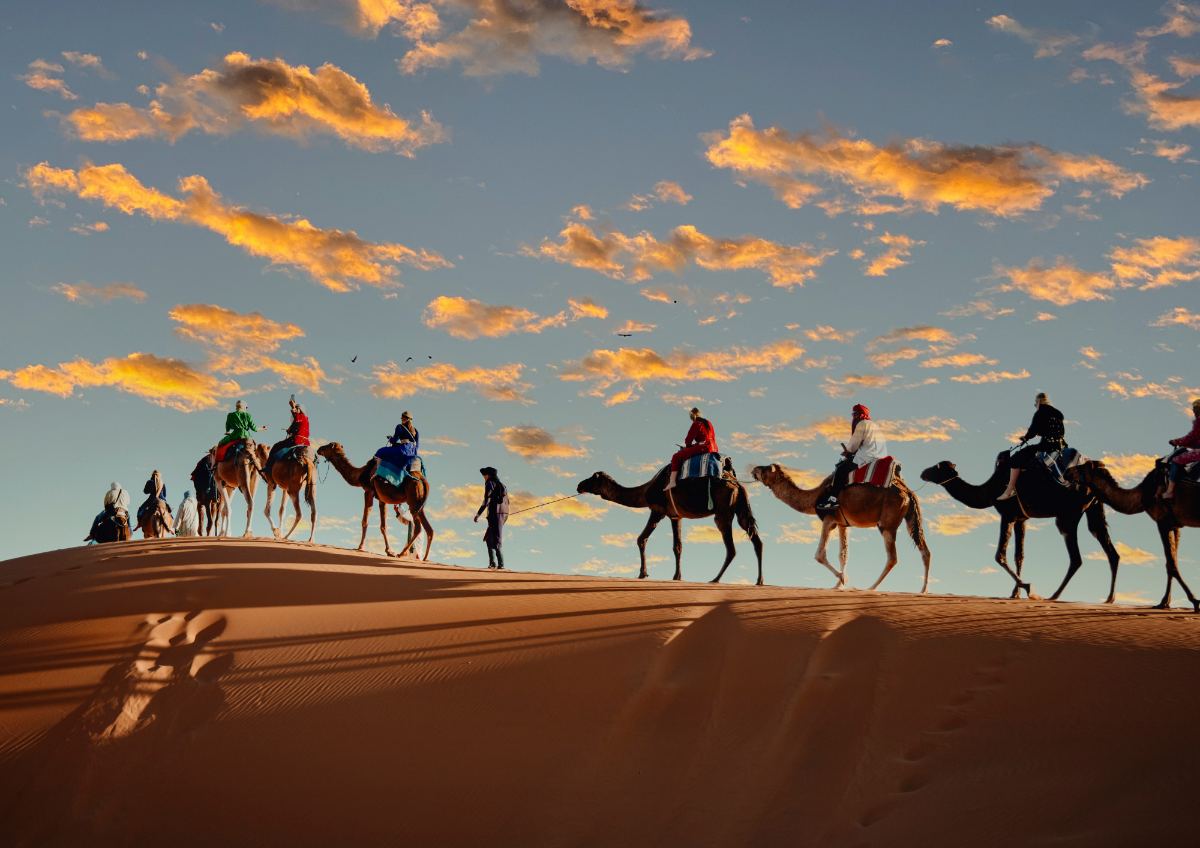
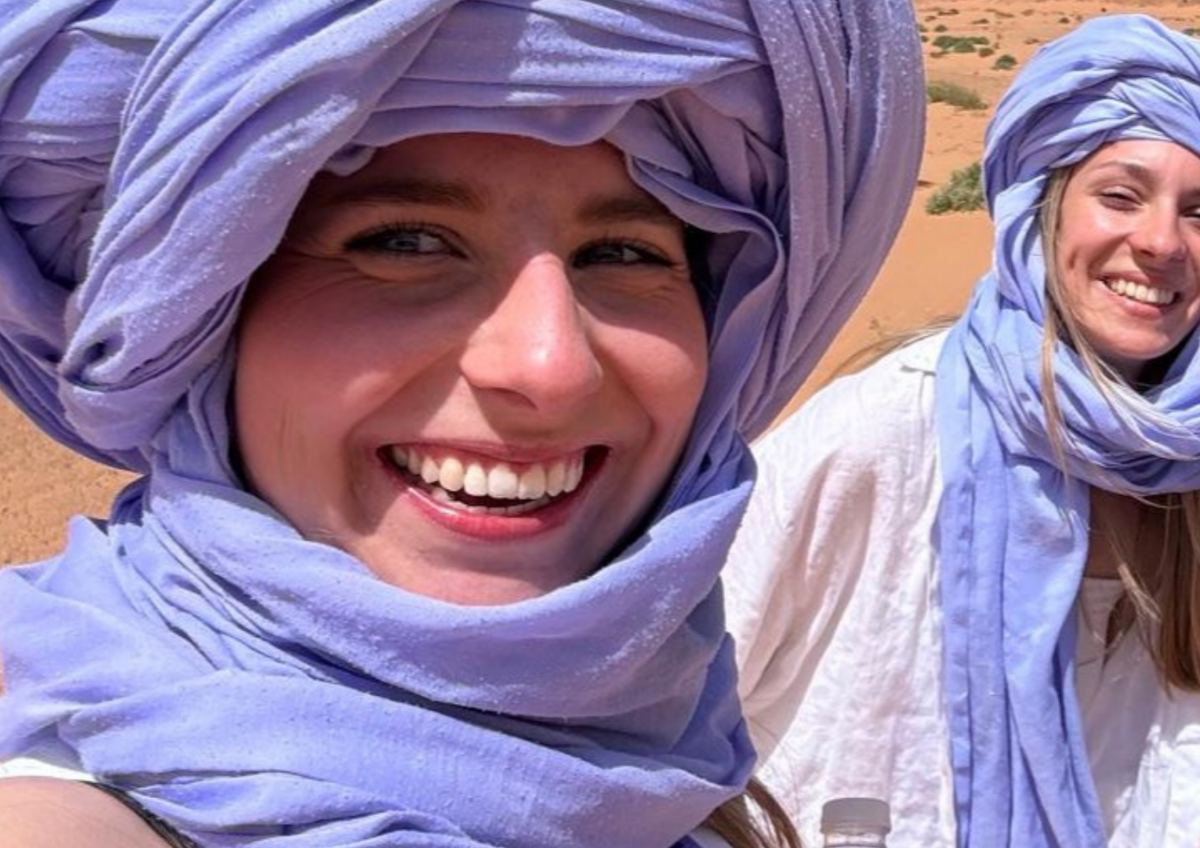
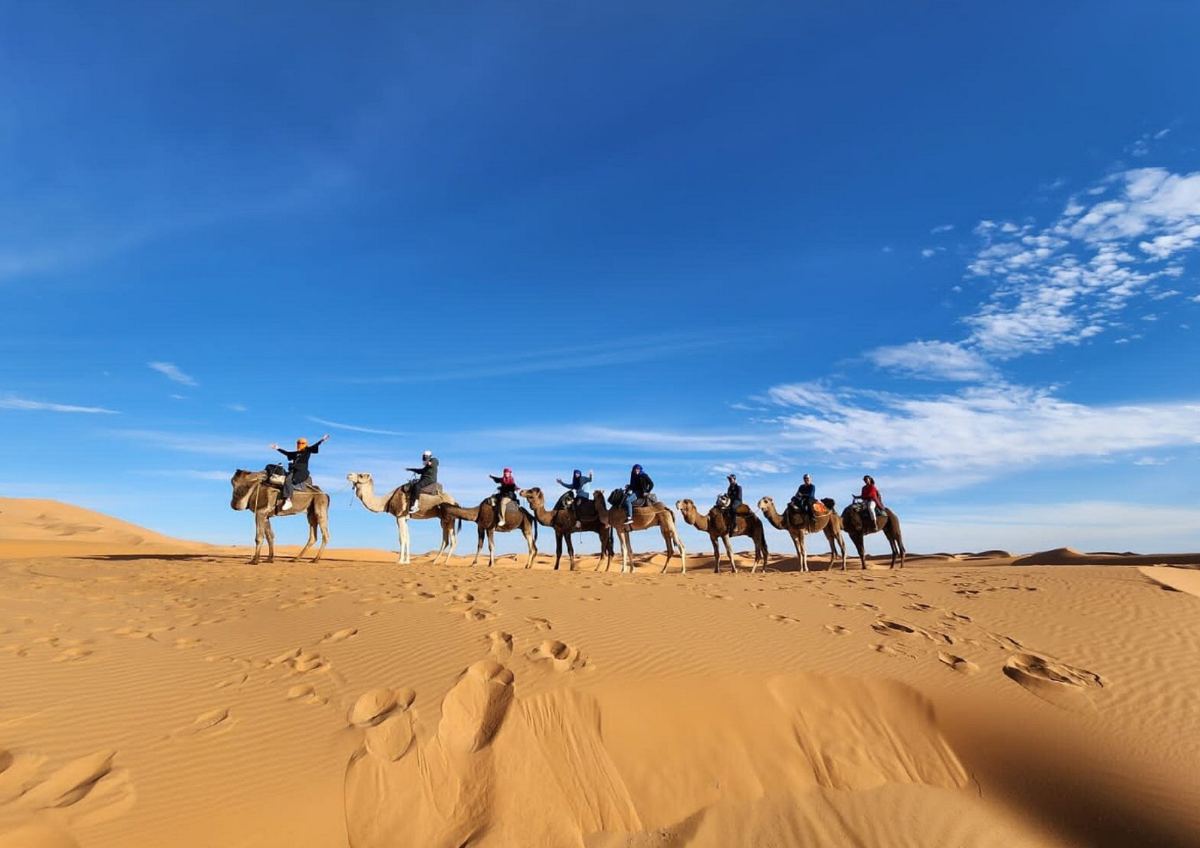
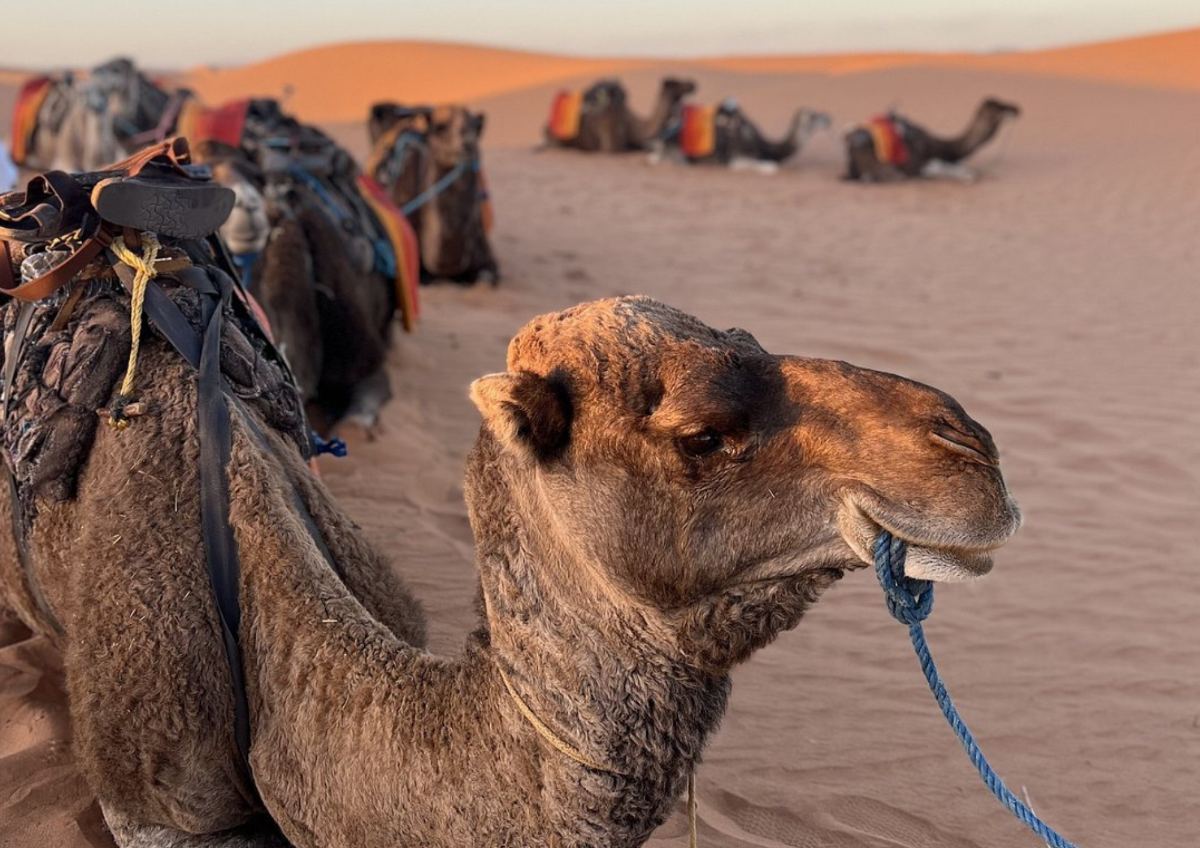
By mid-afternoon the great dunes of Erg Chebbi appear on the horizon. Camels are waiting. The classic approach to camp — across the rolling dunes at the hour when the light turns everything gold — is exactly as extraordinary as travellers hope it will be. At camp, a private tent, welcome tea, a generous dinner, a bonfire, and the sound of Berber drumming under a sky dazzling with stars bring this exceptional day to a close.
Overnight in a luxury desert camp, Merzouga.
DAY 5: DESERT DISCOVERY
Wake early. The Sahara sunrise — a slow, luminous spread of light across the dune crests — is worth the alarm. After breakfast, choose between a camel ride or a 4×4 back to Merzouga town, then the day’s desert exploration begins.
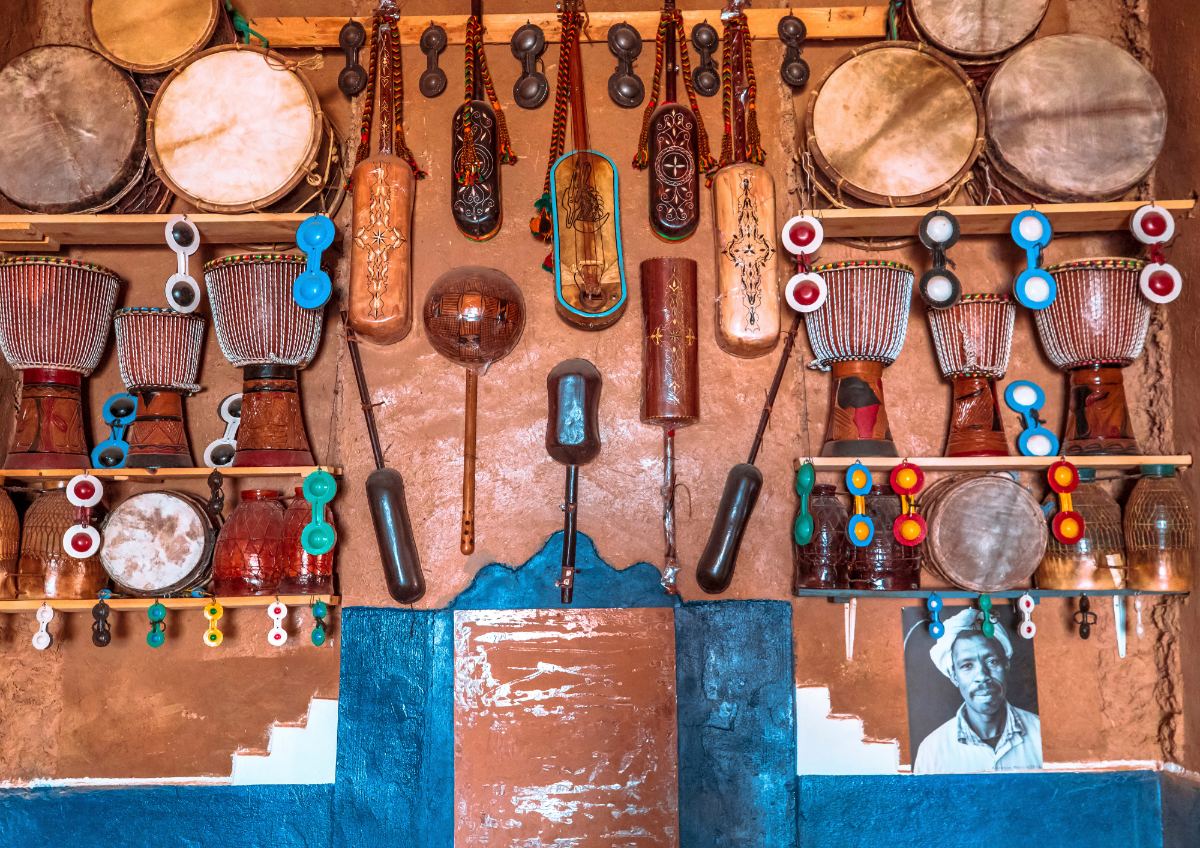
First stop is Khamlia, a small community of West African heritage whose musicians play the Gnawa style — a powerful, trance-like tradition rooted in the spiritual practices of communities originally brought from sub-Saharan Africa. The music is unlike anything else in Morocco and genuinely moving.
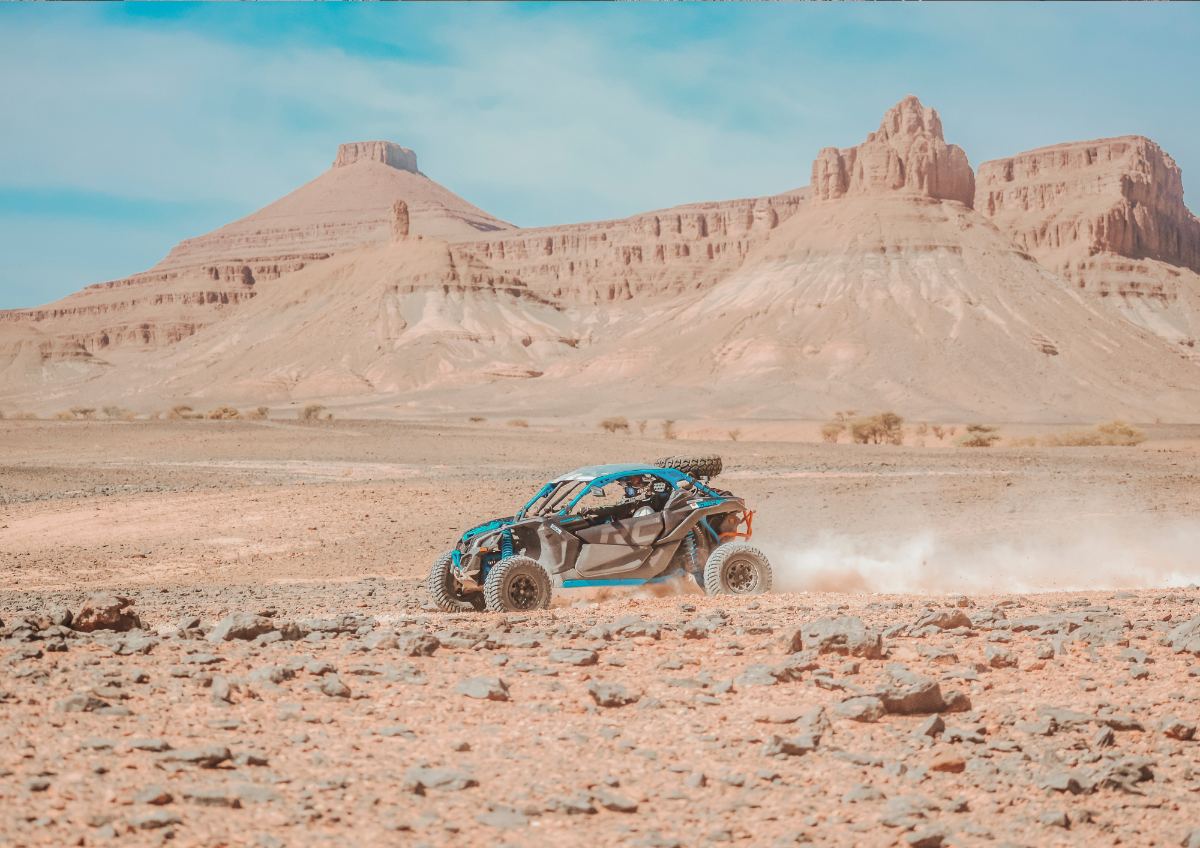
Next, we take the 4×4 off-road to M’Fis — an abandoned village whose old galena mines once supplied the mineral used in the production of traditional kohl. The ruins speak quietly of a community that thrived here and then vanished, leaving only stone and silence.
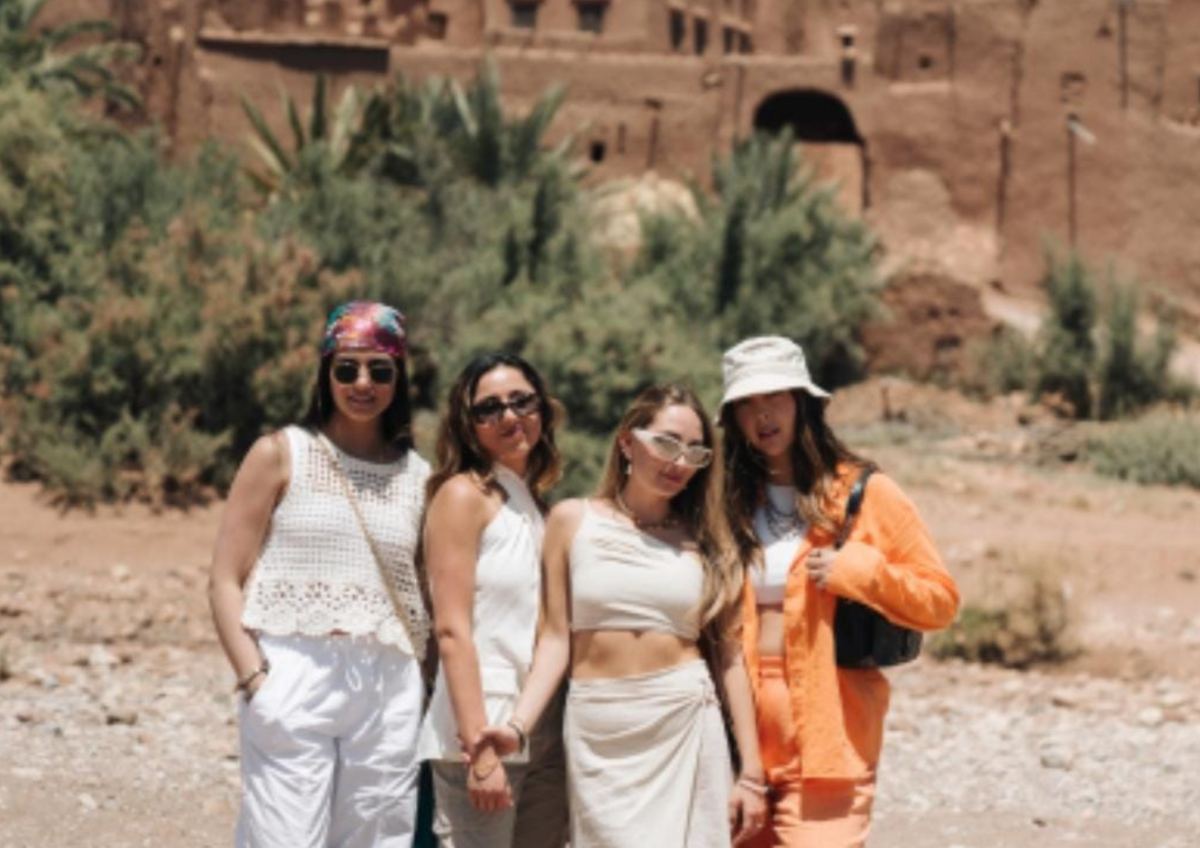
The day’s most human and affecting moment is a visit to a nomadic family camped near the Erg Chebbi dunes, close to the Algerian border. In their traditional tent, over sweet mint tea, you hear directly how they navigate a life entirely outside the structures of modern society. Their stories are honest and humbling.
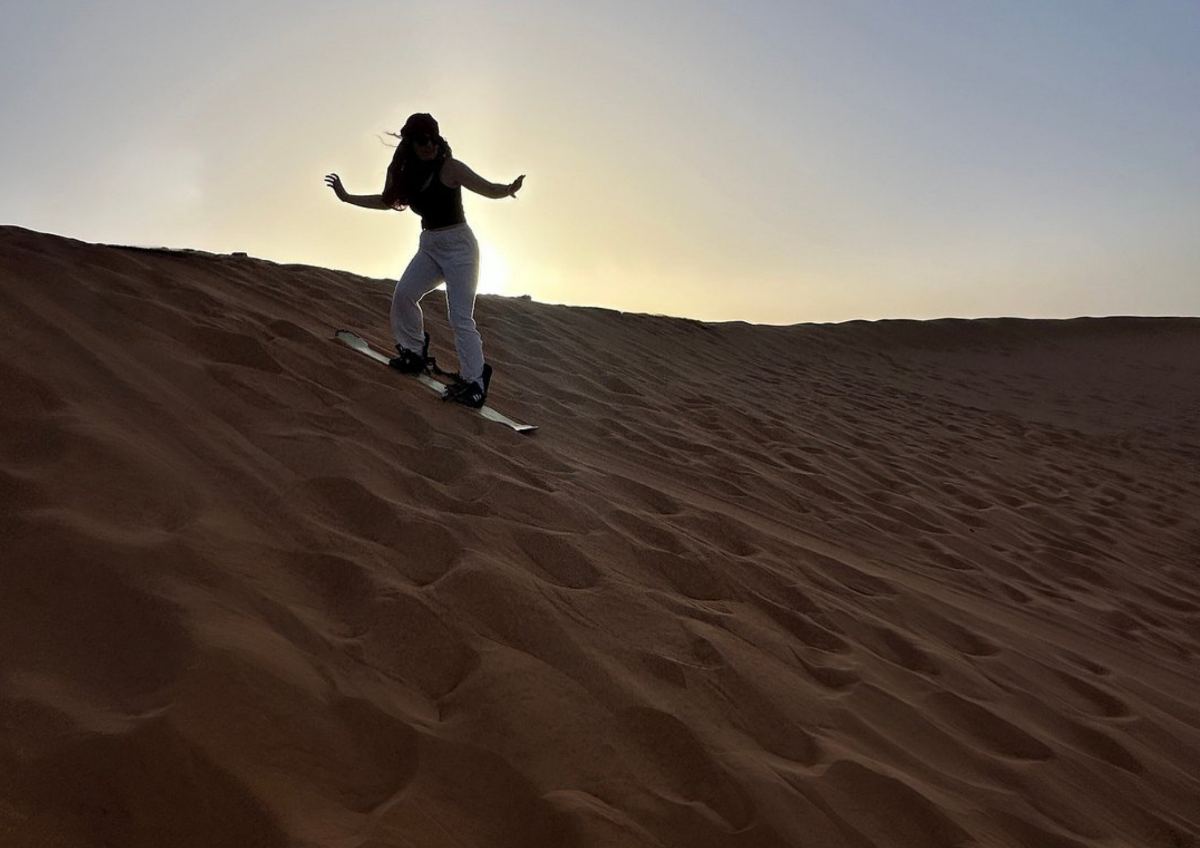
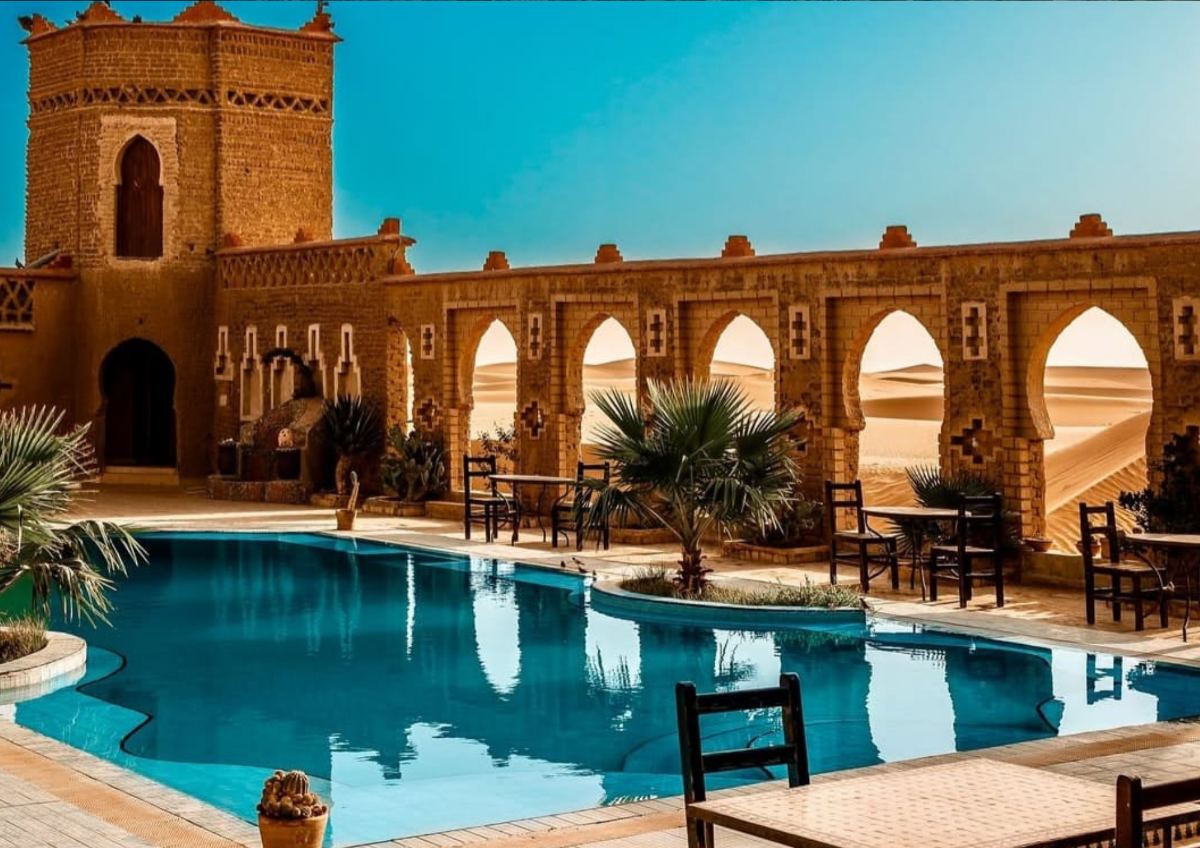
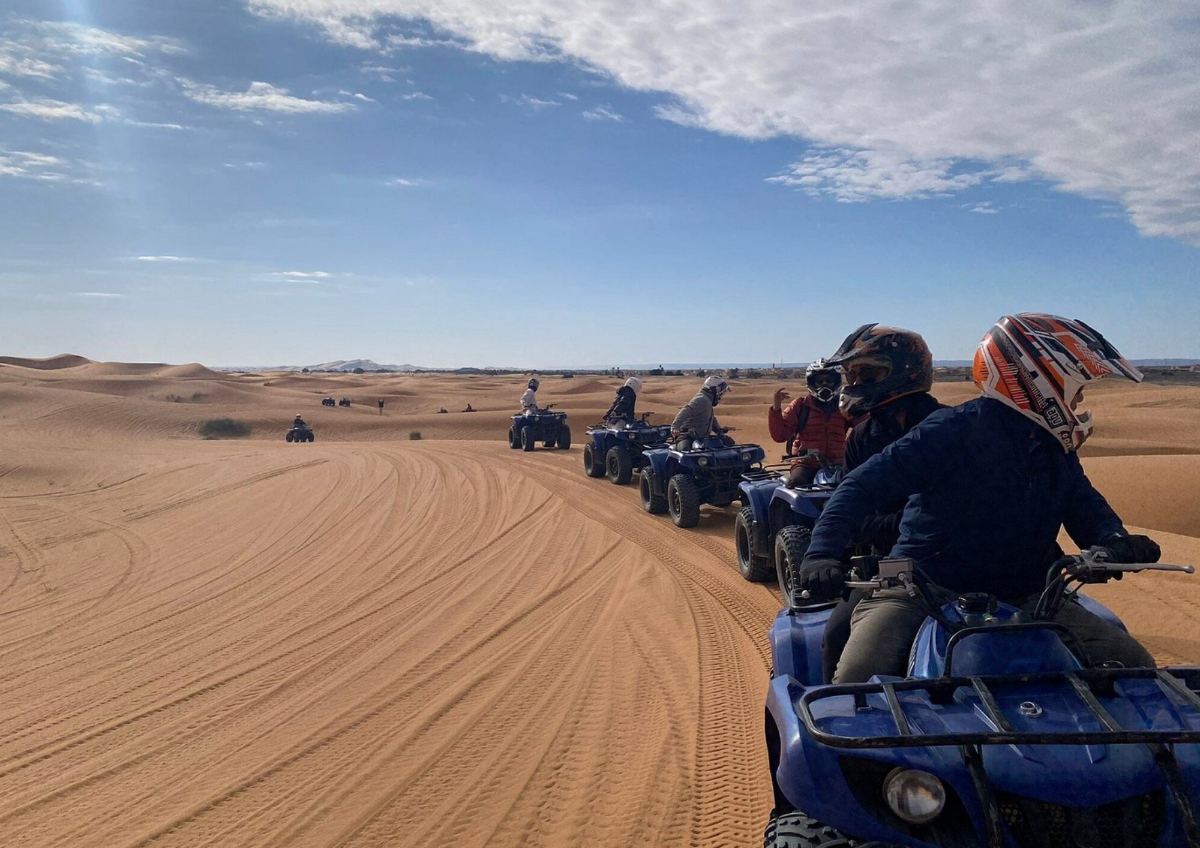
After lunch, we return to a beautiful riad for a restful afternoon — swim in the pool, sit on the terrace and watch the dunes shift colour as the light changes. The late afternoon options include a quad biking or buggy driving adventure out to a viewpoint for sunset, or simply a quiet walk to the nearest dune crest to watch the day end in private.
Overnight in a riad in Merzouga.
DAY 6: MERZOUGA DESERT → RISSANI → TODRA GORGE → DADES VALLEY
After a satisfying breakfast at your riad, we head west toward the Dades Valley on a day that passes through some of the most varied scenery in southern Morocco.
In Rissani — the historic ancestral seat of the Alaoui royal dynasty and an ancient node on the trans-Saharan caravan routes — the souk comes alive on Sundays, Tuesdays, and Thursdays, drawing traders and farmers from the surrounding villages in a scene of vivid, unhurried commerce. The streets carry the scent of spices and fresh produce, and the interactions between buyers and sellers feel genuinely unchanged by time.
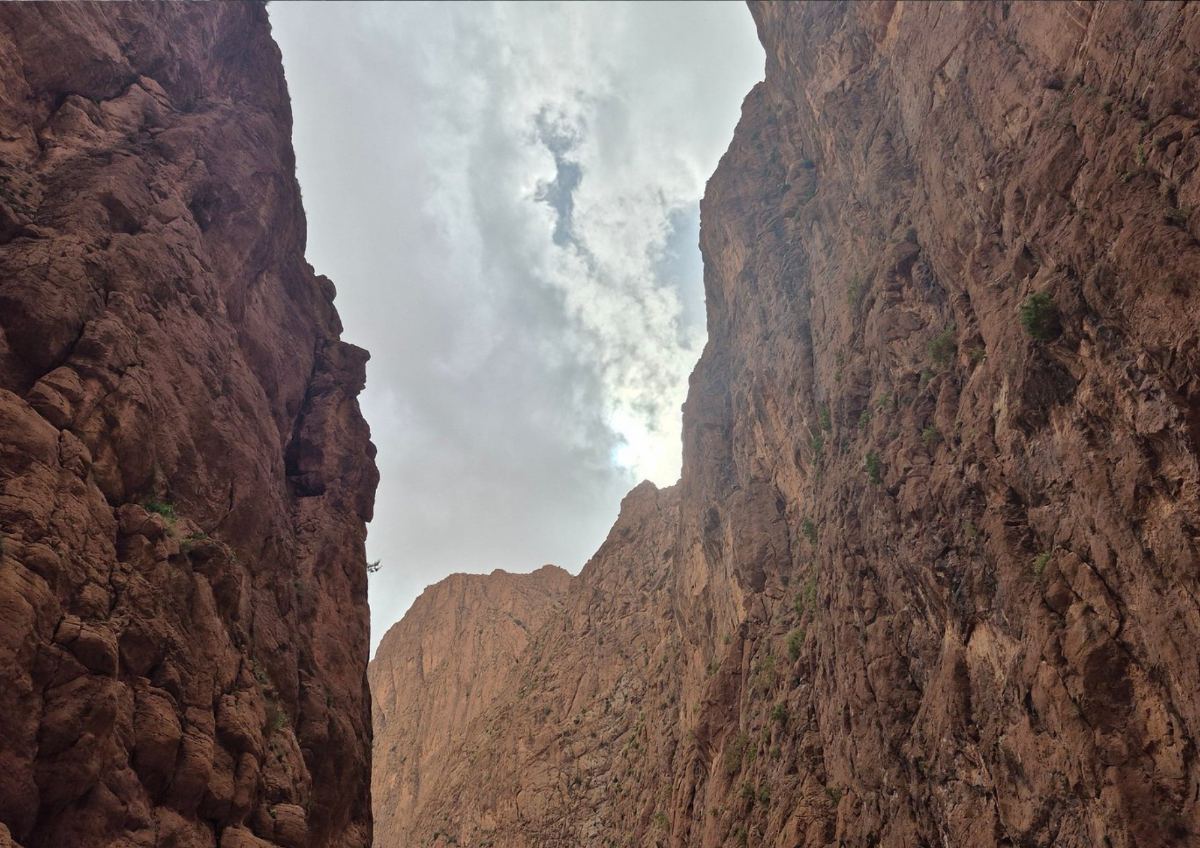
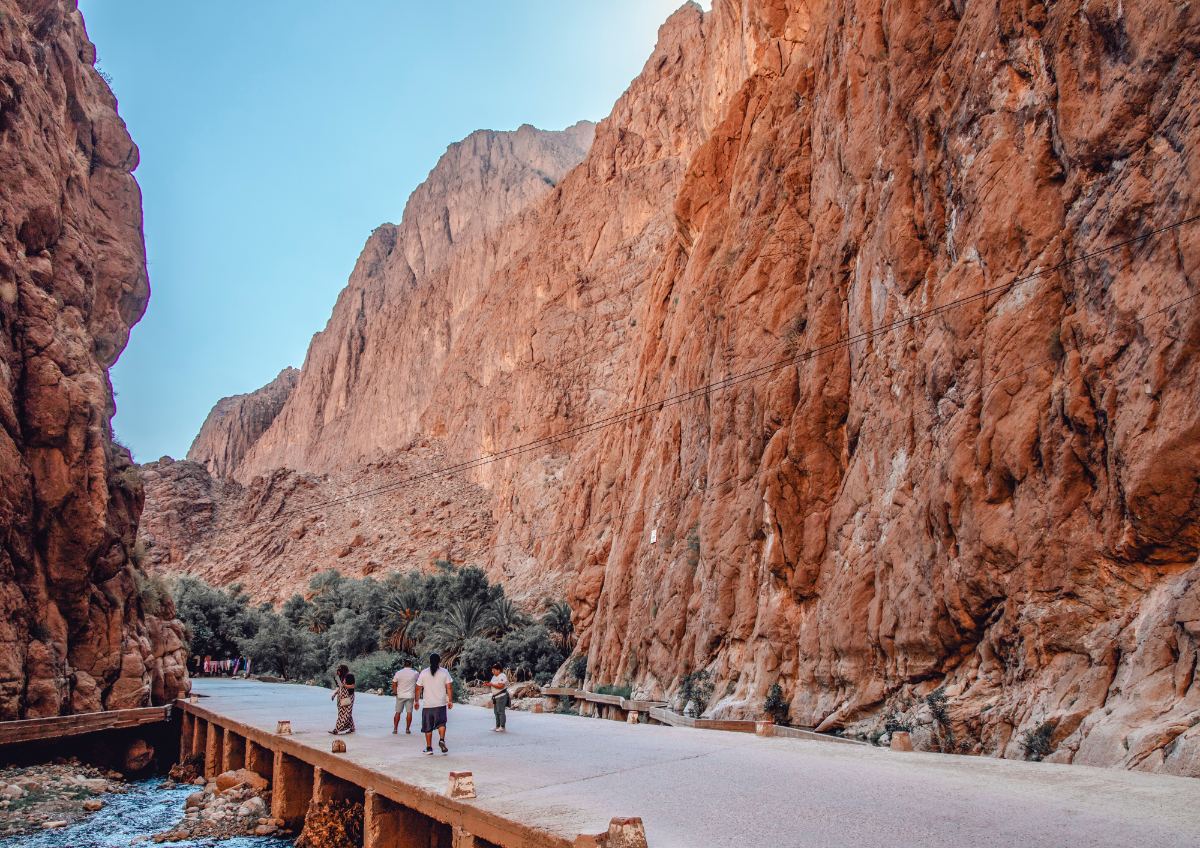
The Todra Gorge, reached via the Tinghir oasis, is one of the natural wonders of Morocco — a narrow river canyon where sheer walls rise 300 metres on either side of the Todra River, reducing the sky to a thin blue strip overhead. Walking its floor is an experience of contained, almost theatrical grandeur.
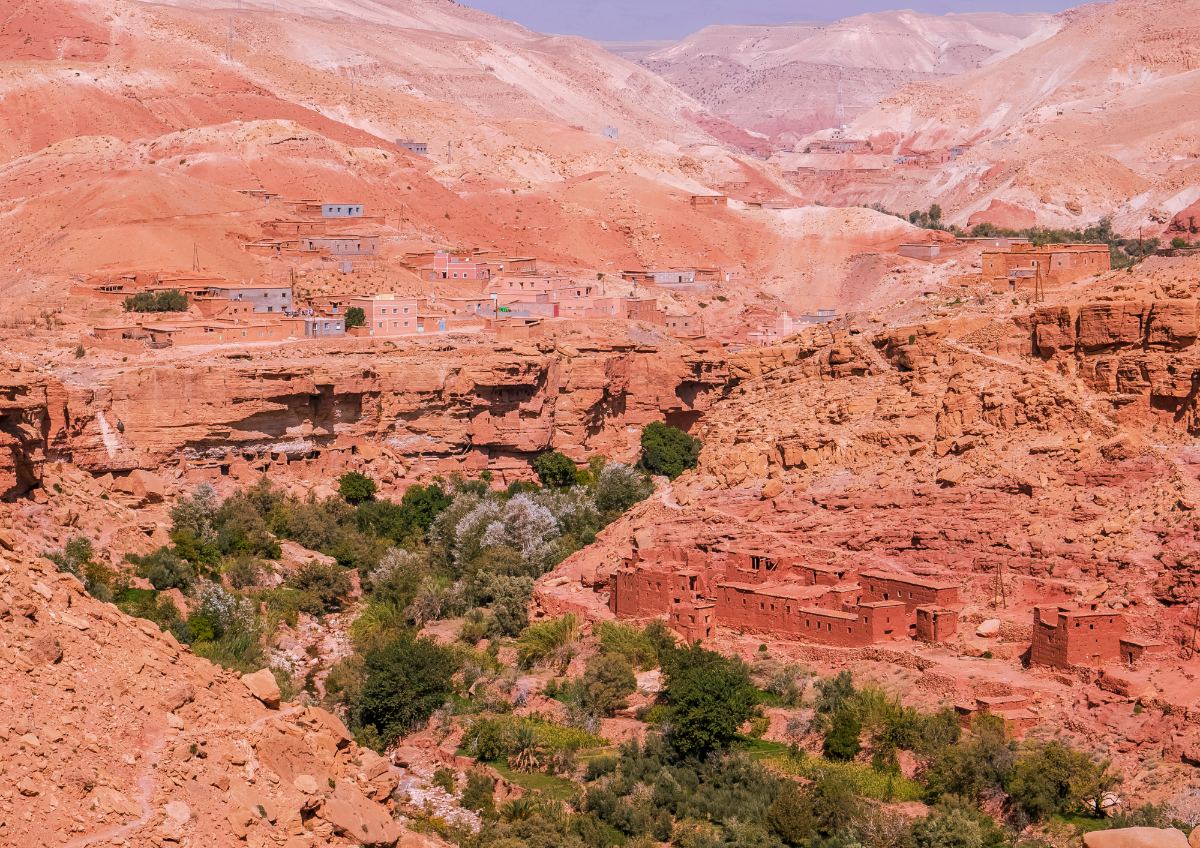
Continuing west into the Dades Valley, the road passes through Berber villages and rose gardens before the canyon walls close in and the famous “monkey fingers” — wind-sculpted sandstone columns — appear on the valley edges. We reach your hotel by late afternoon.
Overnight in a hotel in the Dades Valley.
DAY 7: DADES VALLEY → OUARZAZATE → AIT BEN HADDOU → HIGH ATLAS MOUNTAINS → MARRAKECH
Today’s drive west carries us to Ouarzazate — the city that Hollywood discovered and never quite left. Atlas Studios, one of the largest film production facilities in Africa, has hosted everything from Lawrence of Arabia to Game of Thrones, and the optional guided visit through its outdoor sets is consistently surprising. The Taourirt Kasbah — a beautifully restored fortified palace — adds further historical depth.
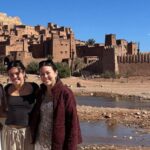
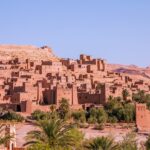
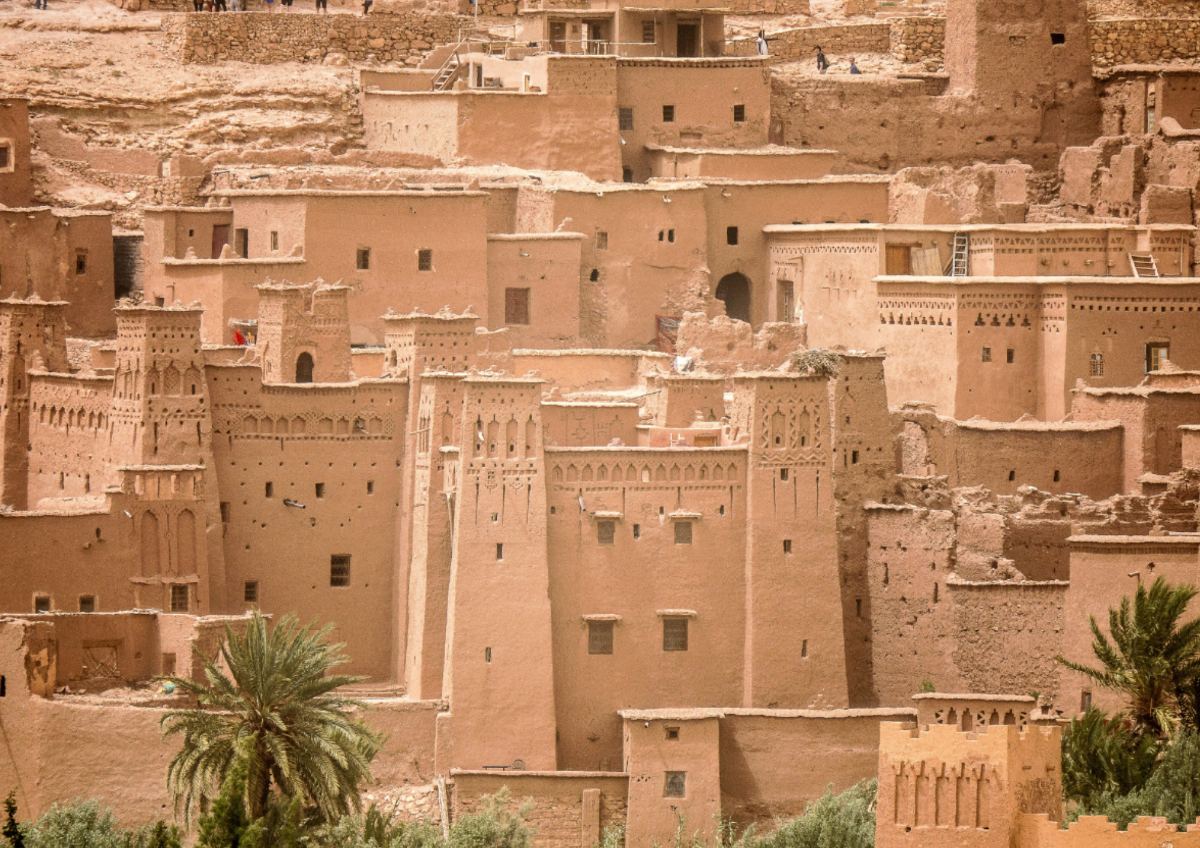
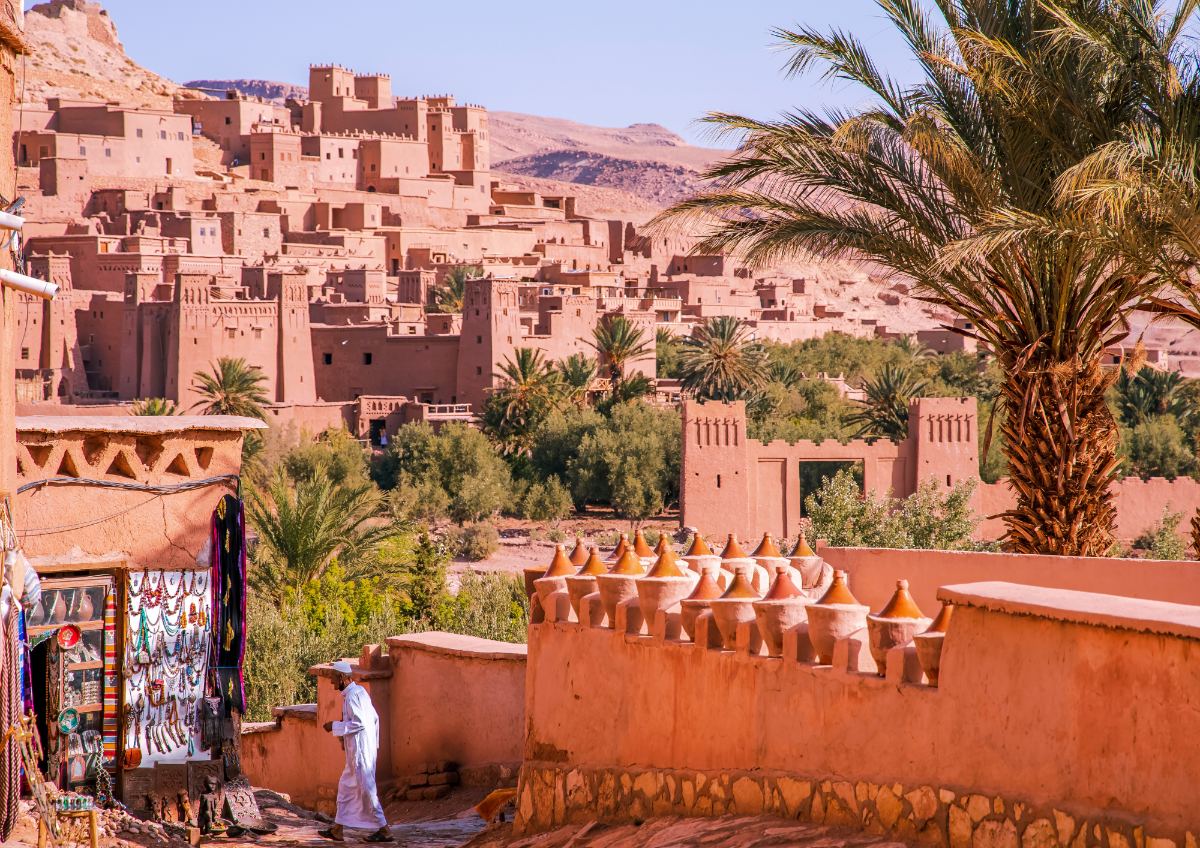
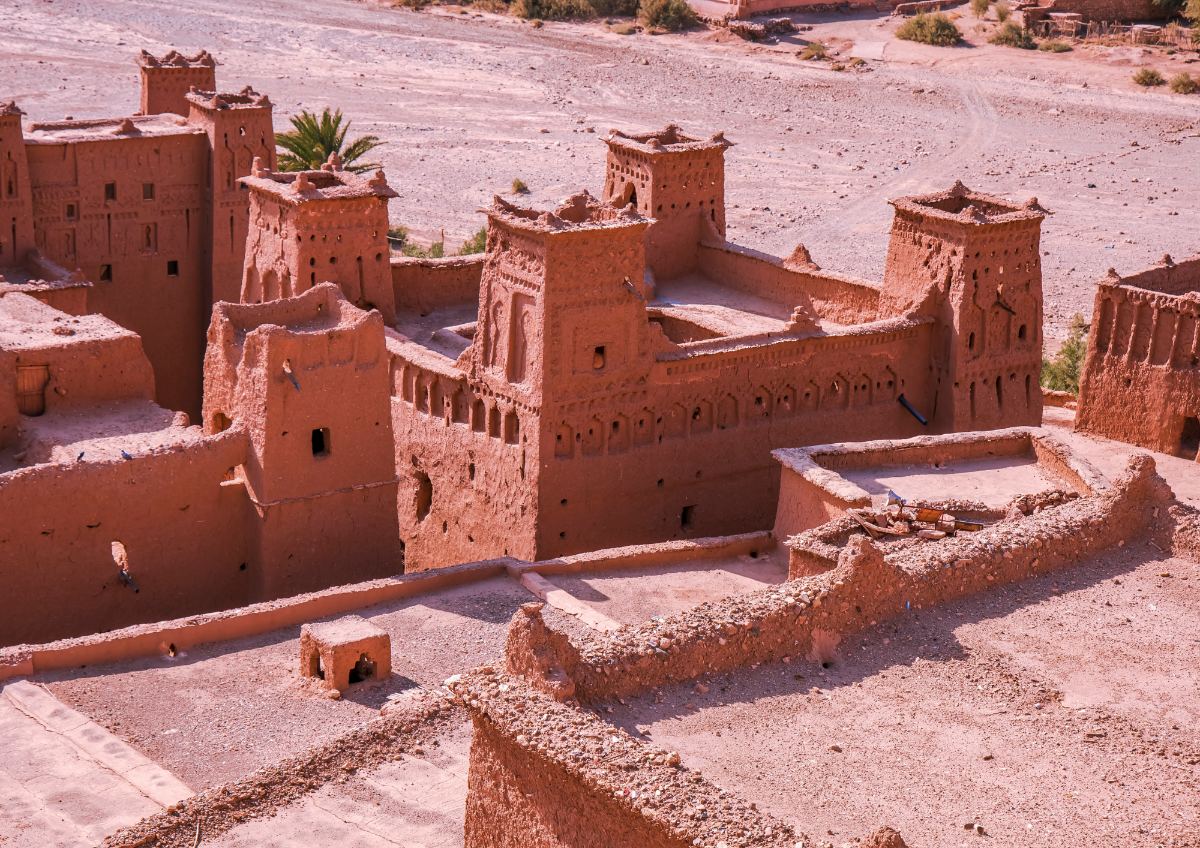
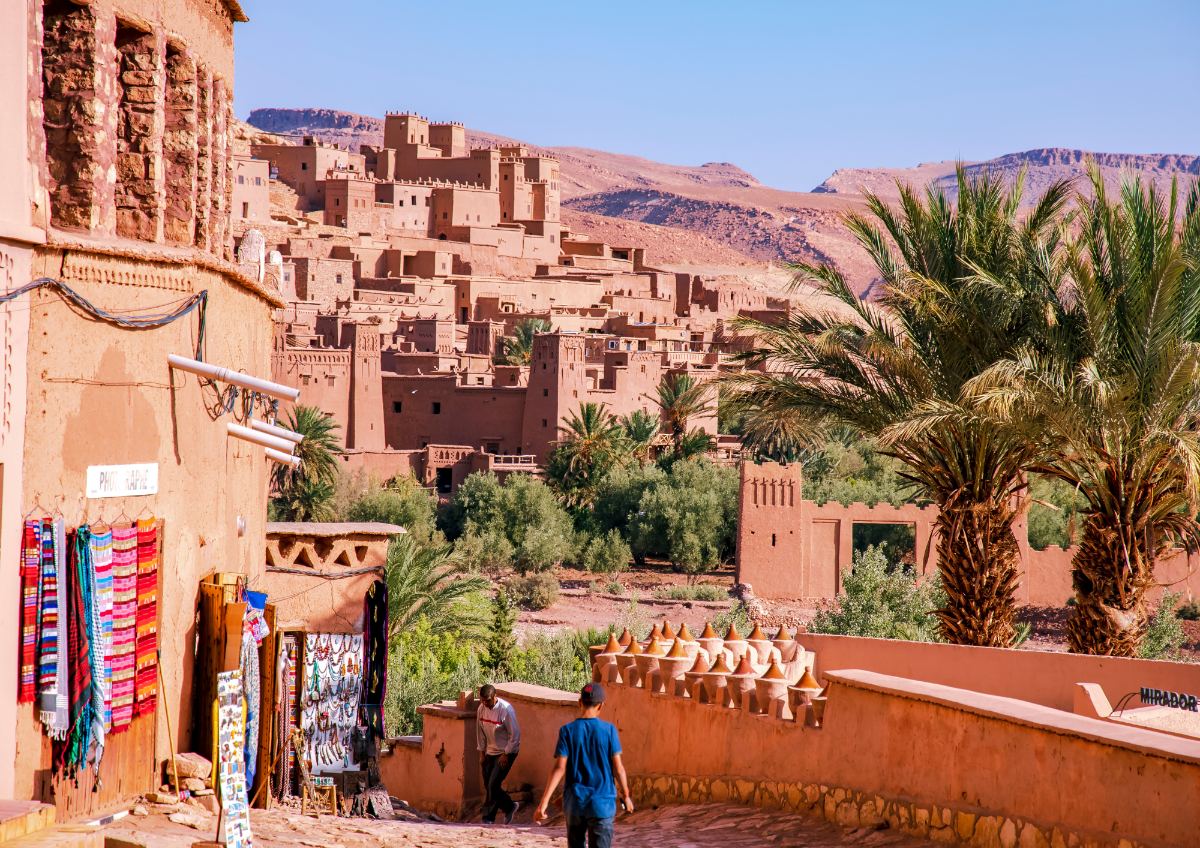
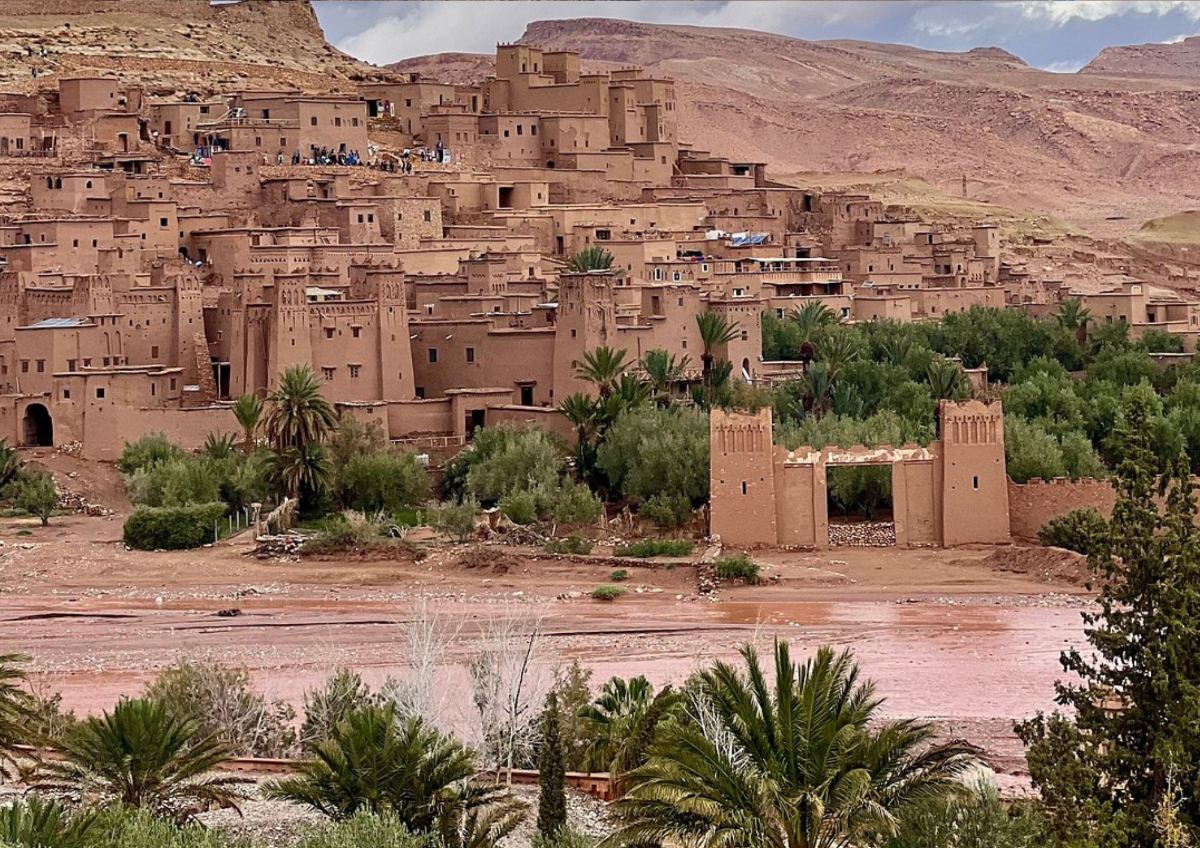
From Ouarzazate a short drive leads to Ait Ben Haddou, the UNESCO-listed ksar whose earthen towers, granaries, and alleyways have appeared in more major films and series than almost any other site in North Africa. Gladiator, The Mummy, Prince of Persia, Alexander, and Game of Thrones have all been shot here. Walking through it, especially in the soft afternoon light, is genuinely atmospheric.
After lunch, the High Atlas Mountains provide the day’s final and finest act. The Tizi n’Tichka pass — Morocco’s highest paved road at 2,260 metres — winds through extraordinary mountain scenery and delivers a long, slow descent toward the red-earth plain of Marrakech. We arrive by late afternoon. Your riad in the medina awaits, and this evening the electric spectacle of Jemaa El Fna Square — just outside your door — needs no further description.
Overnight in a riad in Marrakech.
DAY 8: GUIDED EXPLORATION OF MARRAKECH
The final day of your memorable 8 days tour from Tangier to Marrakech is given entirely to Marrakech, and Marrakech earns every minute of it. After breakfast at your riad, a dedicated local guide meets you for a full-day exploration of the city’s great landmarks.
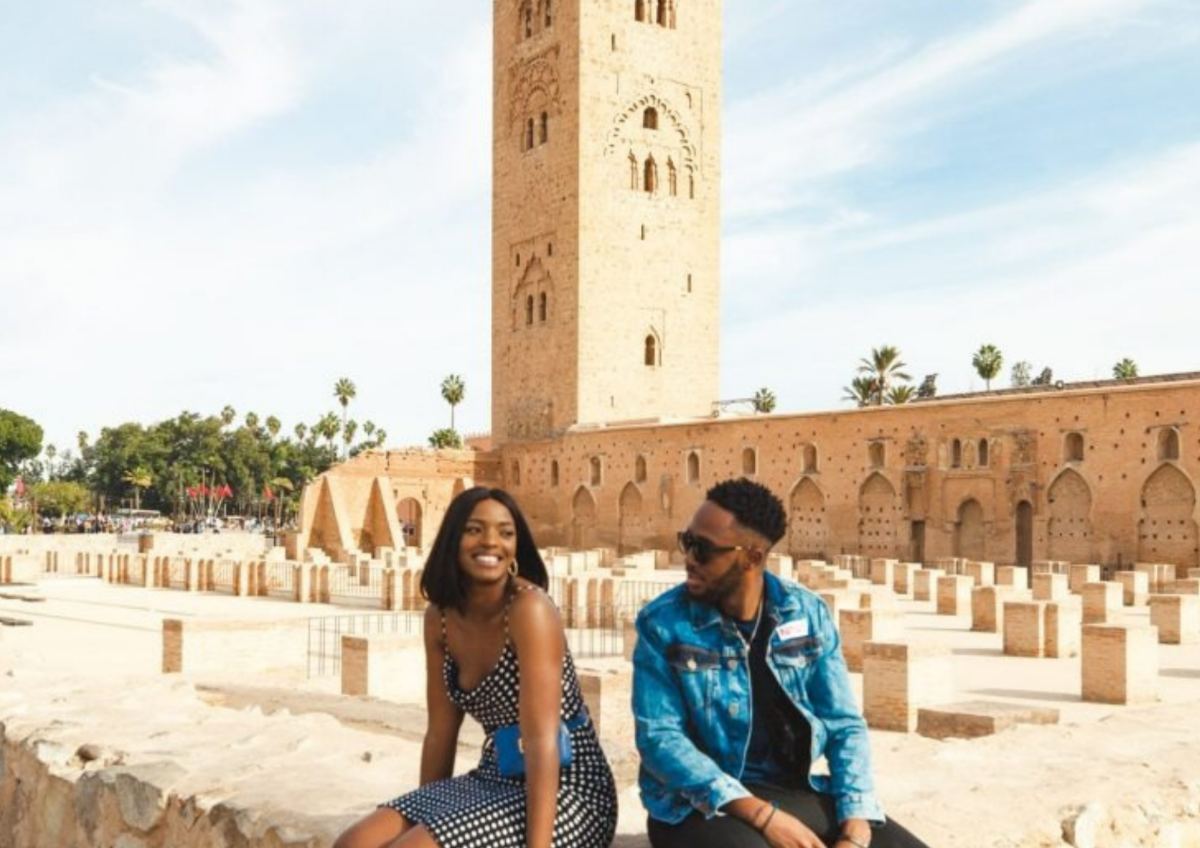
The tour covers Jemaa El-Fna Square — the UNESCO-inscribed open-air theatre that has been the social and commercial heart of Marrakech for a thousand years — Bahia Palace, with its painted and carved reception halls, Saadian Tombs, the Ben Youssef Madrassa, and the Koutoubia Mosque, whose 70-metre minaret is visible from almost anywhere in the old city.
After lunch, the afternoon is free. The Majorelle Garden — a vivid cobalt-blue botanical estate once owned and restored by Yves Saint Laurent — is the perfect tranquil counterpoint to the Medina’s intensity.
If your departure flight is today, a smooth transfer to Marrakech Menara Airport (RAK) or Casablanca Mohammed V International Airport (CMN) is arranged by our team — the final seamless moment in an 8-day tour from Tangier to Marrakech via Chefchaouen, Fes, and the Sahara desert.
Prices start from €150 per person, depending on group size, accommodation, and travel dates.
The rate of €150 per person applies to groups of 17 or more, while prices for smaller groups start from €220 per person for two travelers. Larger groups benefit from lower rates per person.
For a personalized quote tailored to your group and travel preferences, please contact us using the booking form on this page.
Spring (March to May) and autumn (September to November) are the ideal times to visit. The weather is comfortably warm, making it perfect for exploring the Imperial Cities, trekking in the mountains, or experiencing the desert. Summer can be extremely hot in the south, while winter brings chilly nights, particularly in the Sahara and the High Atlas.
Citizens of the US, Canada, the UK, Australia, New Zealand, and most European countries do not need a visa to enter Morocco for tourism purposes for stays of up to 90 days. You only need a passport that is valid for at least six months beyond your date of entry. Always check with your local Moroccan consulate for the most up-to-date requirements.
The official currency is the Moroccan Dirham (MAD). While large hotels, modern restaurants, and bigger shops in cities accept Visa and Mastercard, Morocco is still largely a cash-based society. You will need cash for the medinas, local markets, tipping, and travel in remote areas like the desert or mountains. ATMs are widely available in all major towns.
Yes, Morocco is widely considered one of the safest countries in Africa for tourists. Violent crime is rare. However, like in any major tourist destination, you should practice common sense. Keep an eye on your belongings in crowded souks to avoid pickpockets, and use registered guides for medina tours and remote treks.
The official languages are Arabic and Amazigh (Berber). French is the second, widely spoken language used in business and tourism. English is increasingly common in major tourist hubs, hotels, and among younger generations, but learning a few basic Arabic or French phrases is always highly appreciated by locals.
Morocco is a conservative, predominantly Muslim country, and dressing modestly shows respect for the local culture. Both men and women should aim to cover their shoulders and knees. Loose, lightweight clothing is ideal for staying cool while remaining respectful. In more modern cities like Marrakech, dress codes are relaxed, but modesty is strictly advised in rural villages and the medinas.
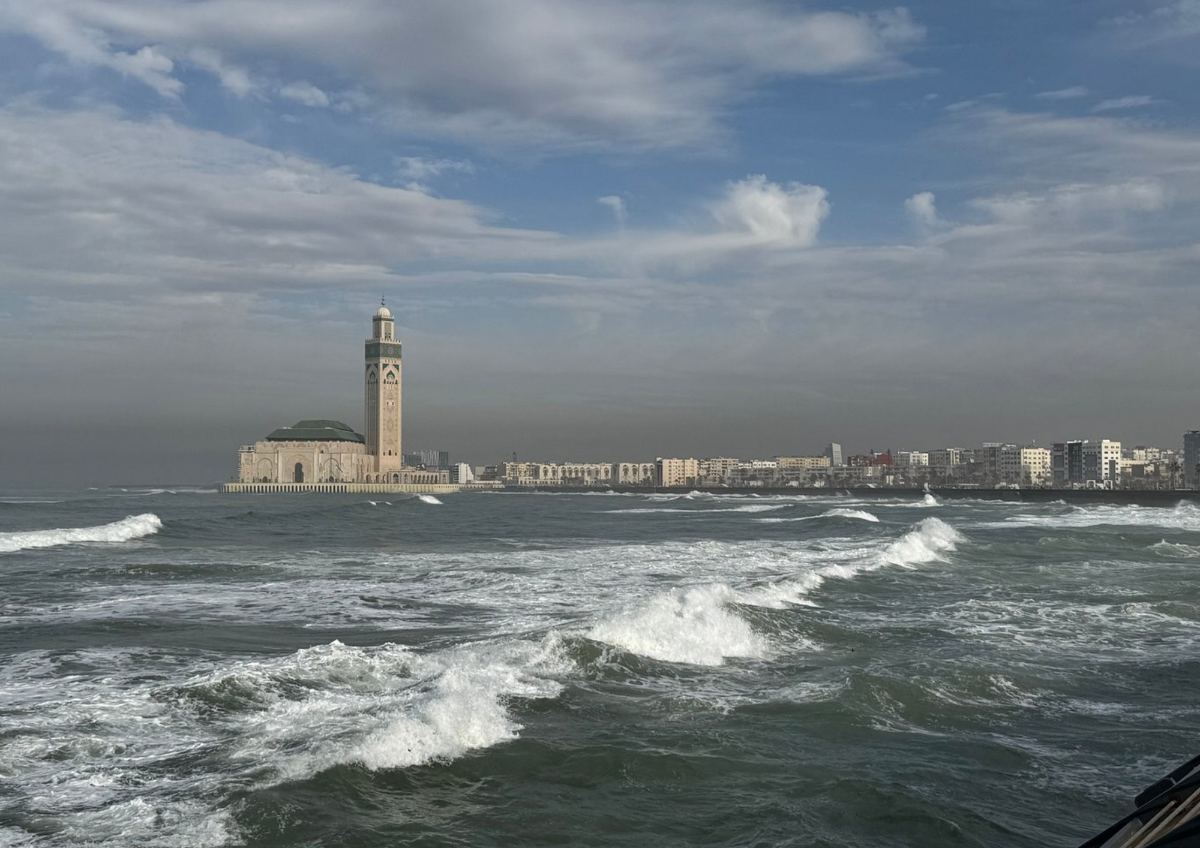
With a few exceptions, non-Muslims are generally not permitted to enter active mosques in Morocco. The most notable exception is the spectacular Hassan II Mosque in Casablanca, which offers guided tours to all visitors.
Yes, tipping (baksheesh) is an established part of Moroccan culture and is highly appreciated for good service. A general rule is to leave 10% to 15% in restaurants. For drivers and tour guides, tipping around 50 to 100 MAD per person, per day is a standard guideline depending on your satisfaction.
Haggling is an expected and enjoyable part of shopping in Moroccan souks. When you ask for a price, expect the vendor’s first offer to be high. Counter with about a third or half of that price, and negotiate until you meet in the middle. Always negotiate with a smile and a friendly attitude.
While Morocco is an Islamic country, alcohol is legal and available. You can purchase it in licensed bars, hotels, large supermarkets, and tourist-focused restaurants. Drinking in public spaces outside of these licensed venues is not permitted.
To truly enjoy the experience without spending your entire trip in a vehicle, a minimum of 3 days and 2 nights is recommended for a desert tour starting from Marrakech to the Merzouga dunes (Erg Chebbi). If you have more time, a 4-day trip allows for a more relaxed pace to explore the Kasbahs, gorges, and valleys along the way.
Bring comfortable, breathable clothing for daytime camel trekking and a warm fleece or jacket for the night, as desert temperatures drop significantly after sunset. Essential items include sunglasses, a sun hat, sunscreen, closed-toe walking shoes, and a small daypack for your overnight items.
Erg Chebbi (near Merzouga) features the highest, most iconic dunes and is easily accessible by paved roads, making it a popular choice. Erg Chigaga (near Zagora/M’Hamid) offers a wilder, more remote experience that requires off-road 4×4 driving to reach, appealing to those looking for an off-the-beaten-path adventure.
We offer trekking experiences for all levels. Gentle day hikes through Berber villages require only basic fitness and a good pair of walking shoes. Multi-day ascents, such as climbing Mount Toubkal, require a good level of physical stamina and proper hiking gear, though no technical climbing skills are needed in the warmer months.
Absolutely. Moroccans love children, and family travel is highly welcomed. Desert camps, camel rides, and short walks in the Atlas Mountains are fantastic experiences for kids. We can customize the pace of the itinerary, limit driving times, and ensure family-friendly accommodations for your comfort.
For maximum flexibility and comfort, hiring a private driver is the most highly recommended way to travel. It allows you to stop at scenic viewpoints, hidden Kasbahs, and local cooperatives at your own pace. For budget travelers, Morocco’s rail network (including the high-speed Al Boraq train) efficiently connects major cities like Casablanca, Rabat, Tangier, and Fes.
While tap water in major cities is treated, it has different mineral contents that can upset a traveler’s stomach. It is highly recommended to stick to sealed bottled water or use a filtered water bottle for drinking and brushing your teeth.
Morocco operates on a 220V supply voltage and uses standard European two-pin round plugs (Type C and Type E). If you are traveling from the US, UK, or Australia, you will need a universal travel adapter.
Wi-Fi is widely available for free in most hotels, riads, and cafes across the country. If you want continuous access on the road, you can easily purchase an inexpensive local prepaid SIM card (from providers like Maroc Telecom, Orange, or Inwi) at the airport upon arrival.
Moroccan cuisine is world-renowned. Must-try dishes include Tagine (a slow-cooked savory stew made with meat, poultry, or fish), Couscous (traditionally served on Fridays), Pastilla (a sweet and savory meat pie), and Harira (a rich tomato and lentil soup). Meals are almost always accompanied by the famous Moroccan sweet mint tea.