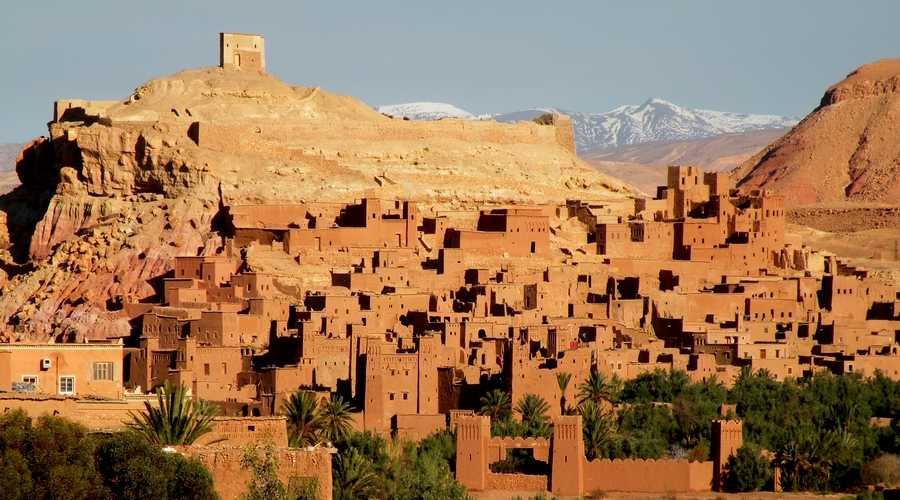
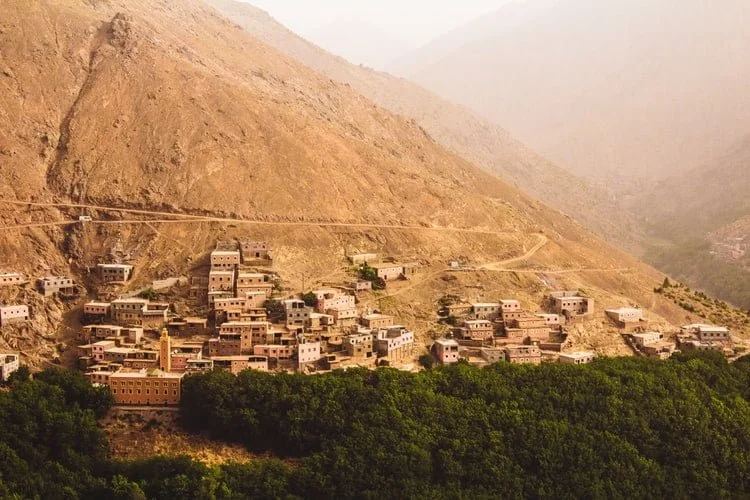
The Draa Valley stretches south from Ouarzazate to the desert fringe near Zagora, following the Moroccan cuisine — Wikipedia — the longest river in Morocco — through one of the most visually striking palm oasis systems in the country. Date palms line both riverbanks for kilometres, interspersed with ksour and kasbahs built in the same...Read More
The road from Berbers — Wikipedia to Merzouga is one of the most rewarding overland drives in North Africa, covering roughly 550 kilometres through three distinct landscapes: the High Atlas mountains, the pre-Saharan valleys lined with kasbahs and palms, and finally the hammada stony desert that gives way to the tall orange dunes of Merzouga...Read More
The journey from Medina of Fez — UNESCO World Heritage in the north to High Atlas — Wikipedia in the south covers the full geographic and cultural sweep of Morocco in a single continuous arc. For travellers who fly into one city and out of the other — or those arriving by ferry at Tangier...Read More
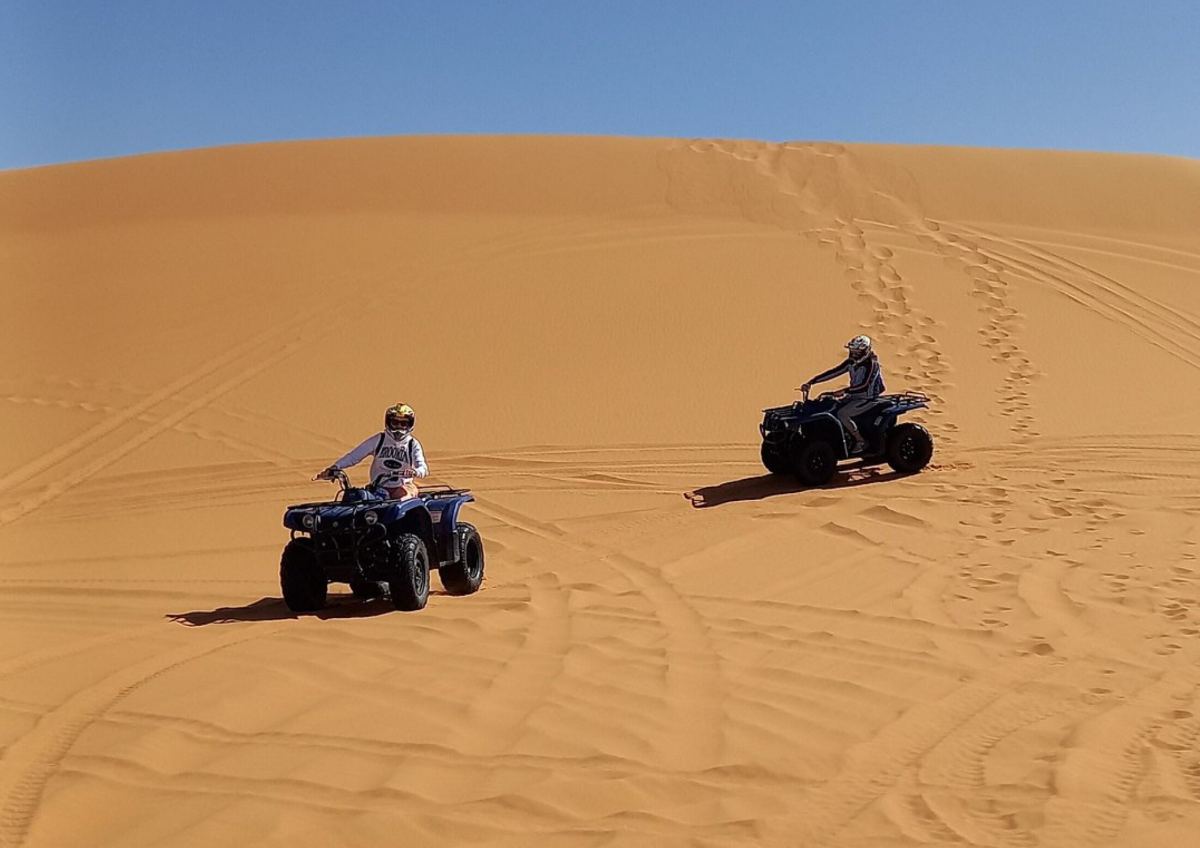
Not every Morocco desert tour requires a 4×4, but the terrain of the pre-Saharan south — the rough piste tracks, the hammada plateau, and the crossing between erg dune fields — makes a capable vehicle the difference between reaching certain viewpoints and staying on the paved road. Understanding when four-wheel drive actually matters helps in...Read More
El clima de Bereberes — Wikipedia cambia drásticamente según la región y la altitud: la misma semana puede ofrecer una tarde templada en la costa atlántica y una noche cercana al punto de congelación en las dunas de Erg Chebbi. Saber qué esperar según la temporada permite ajustar el itinerario en lugar de depender de...Read More
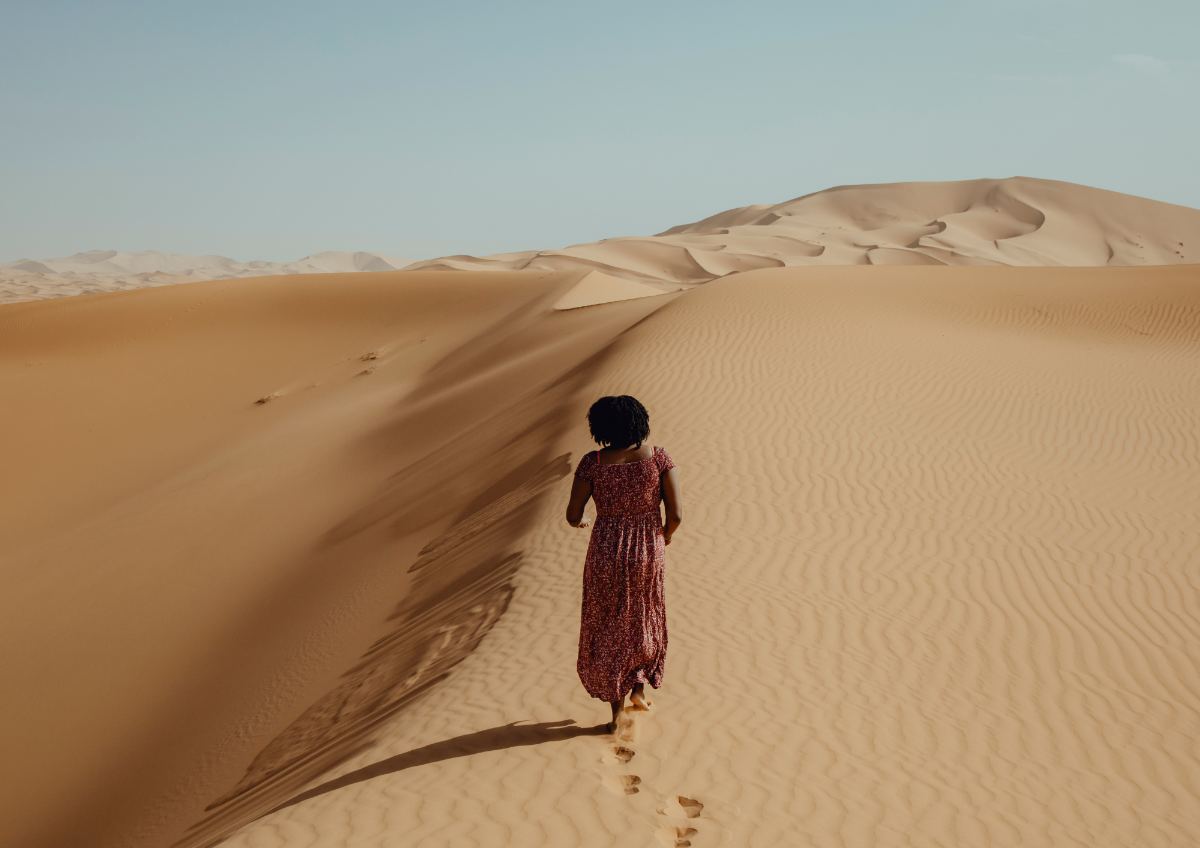
Atlas Mountains — Wikipedia, the vast dune field near the village of Merzouga in southeastern Morocco, is the country’s most visited stretch of true Saharan desert. Its dunes reach up to 150 metres at their highest points, tall enough to cast dramatic shadows at sunrise and sunset, and their colour shifts through the day from...Read More
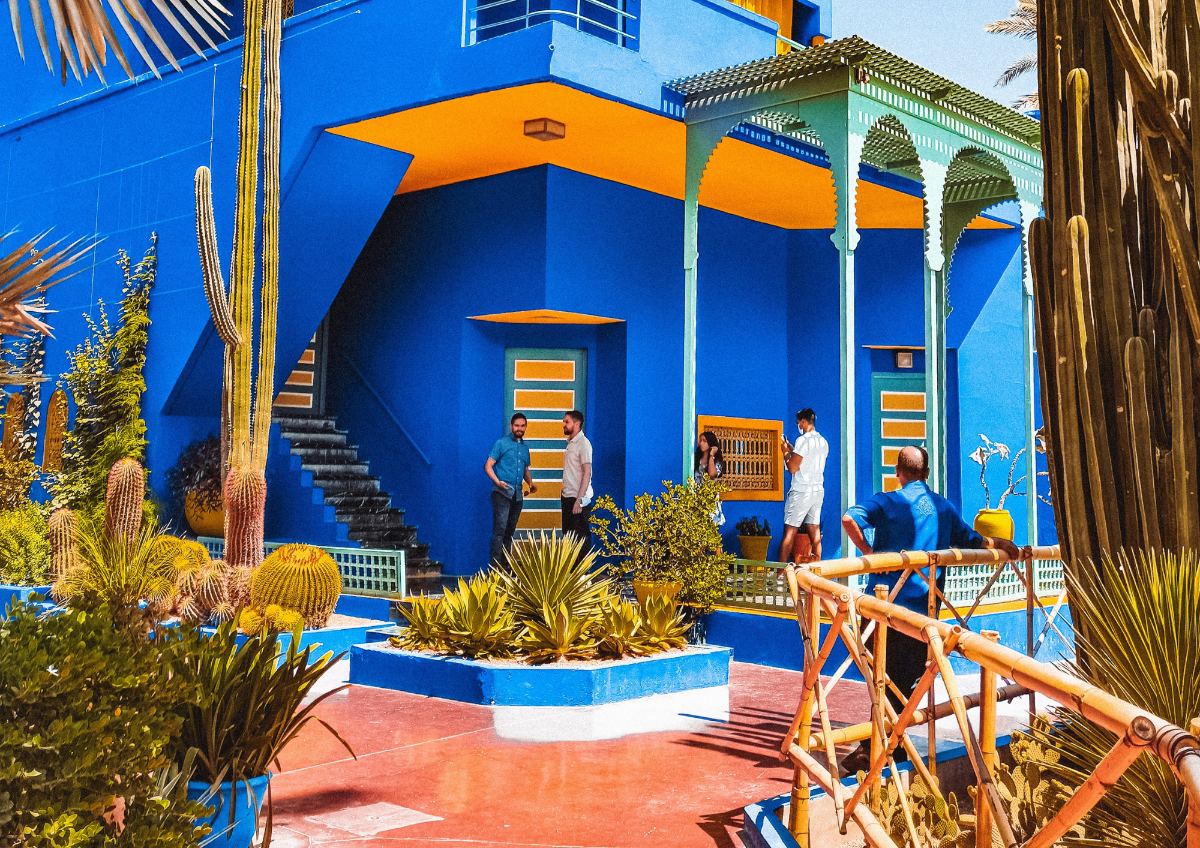
Tangier — Wikipedia sits in the foothills of the Morocco — Wikipedia, roughly three hours from Tangier, and has become one of the most recognisable towns in Morocco — its medina painted in every possible shade of blue, from pale powder on walls to deep indigo on doorways, creating a visual consistency that photographs well...Read More
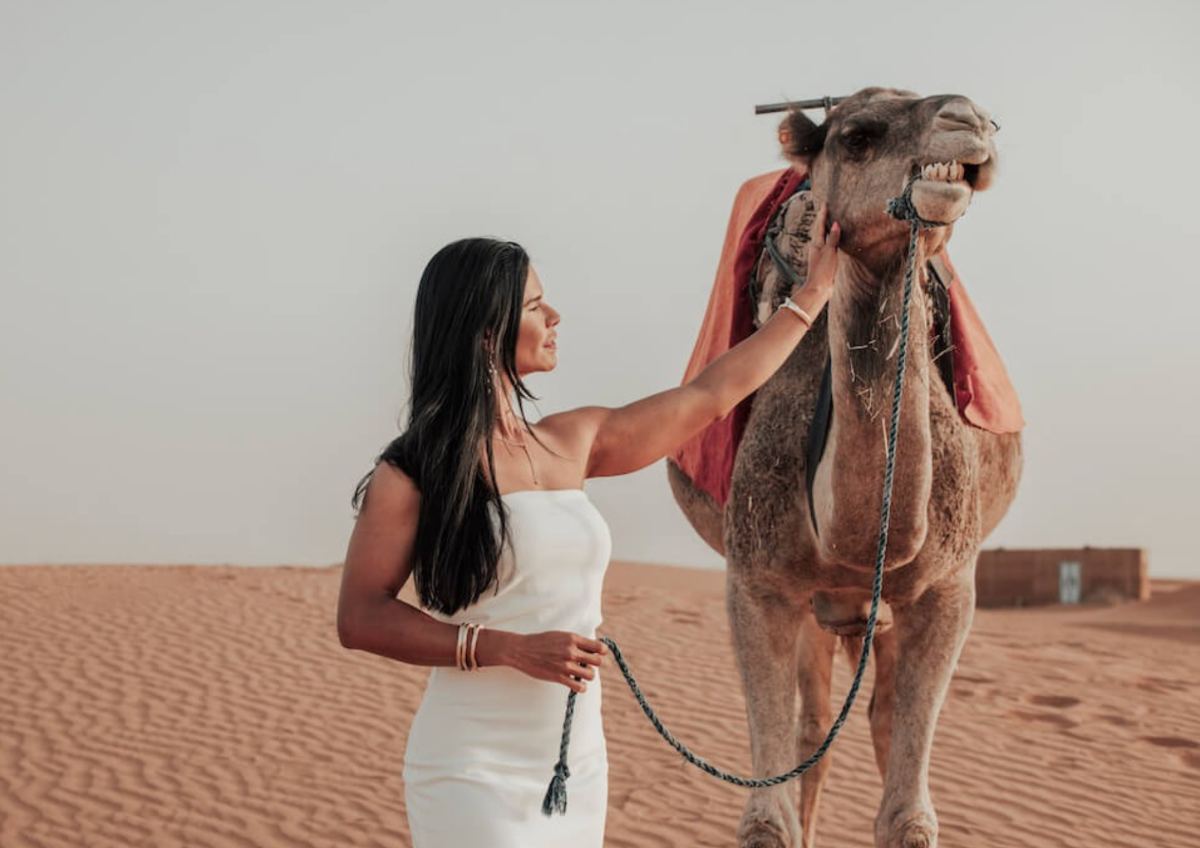
Morocco works well for family travel, and the desert south is one of the most genuinely memorable parts of the country for children and adults alike. The combination of the camel trek, the overnight camp under an exceptional night sky, and the scale of the dunes at Ait Ben Haddou — UNESCO World Heritage produces...Read More
The Sahara — Wikipedia does not have a universally bad season for tourism, but it does have seasons better suited to certain activities and comfort levels. The desert near Merzouga — specifically the dune field of Merzouga — Wikipedia — experiences some of the most extreme temperature swings in Morocco, with summer days regularly exceeding...Read More
The Moroccan Sahara offers some of the darkest night skies in North Africa, a consequence of low population density, dry desert air, and minimal light pollution in the region around Gnawa music — Wikipedia. For travellers whose desert overnight falls on a clear, moonless night, the star density overhead — the Milky Way visible as...Read More