
Morocco welcomes millions of international visitors every year, and most of them come home with nothing but good memories. Still, it is normal to have questions before your first visit, especially if you are traveling from the US or the UK. This guide covers what you actually need to know, from the medinas to the Sahara, based on the questions our travelers ask us most often.
Is Morocco Safe for Tourists?
For the vast majority of visitors, yes. Violent crime against tourists is rare, and tourist areas, medinas and main roads are well policed. The most common problems are petty ones: pickpocketing in crowded places, overcharging and persistent sellers. Governments review their advice regularly, so always check the latest travel advice from the US State Department and the UK Foreign, Commonwealth & Development Office (FCDO) before you book and again before you travel.
Common Scams and How to Avoid Them
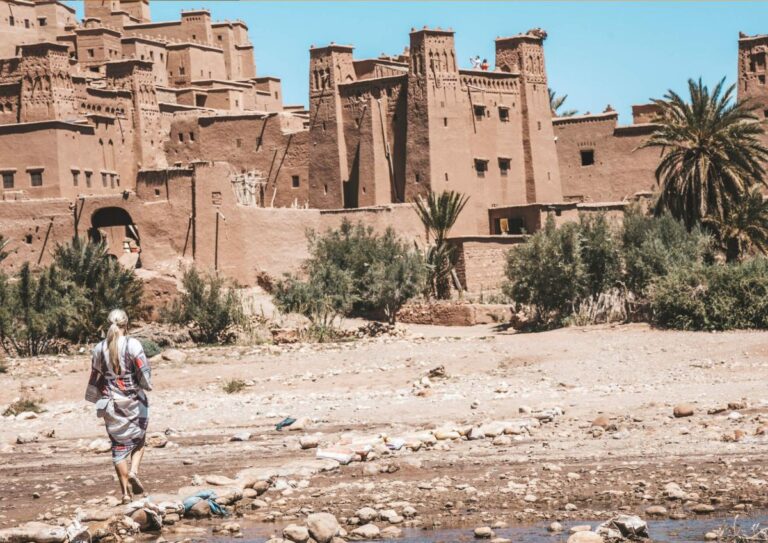
- Unofficial guides: in the medinas of Fes and Marrakech, people may offer to show you the way and then ask for money or lead you to a shop. Politely say “no, thank you” and keep walking, or book a licensed guide in advance.
- “The road is closed”: a classic line to redirect you. Use a map on your phone and trust it.
- Taxis without a meter: in cities, ask the driver to use the meter in a petit taxi, or agree the price before you get in.
- Henna and photos: in Jemaa el-Fnaa, a “free” henna design or a photo with a snake charmer usually comes with a bill. Agree any price first.
Tips for Women Traveling in Morocco
Many women travel in Morocco, alone or in pairs, without problems. You may receive comments in busy streets, especially in the medinas; the best response is usually to ignore them and keep walking confidently. Dressing modestly (shoulders and knees covered) reduces unwanted attention and is respectful of local customs. On a private tour you travel with your own driver, which makes long journeys much more relaxed.
Roads and Getting Around Safely
Main roads are generally in good condition, but mountain passes such as the Tizi n’Tichka are long and winding, and local driving habits can surprise first-time visitors. This is one of the main reasons travelers choose a private driver in Morocco instead of renting a car: you arrive rested and can enjoy the landscape.
Is the Sahara Desert Safe?
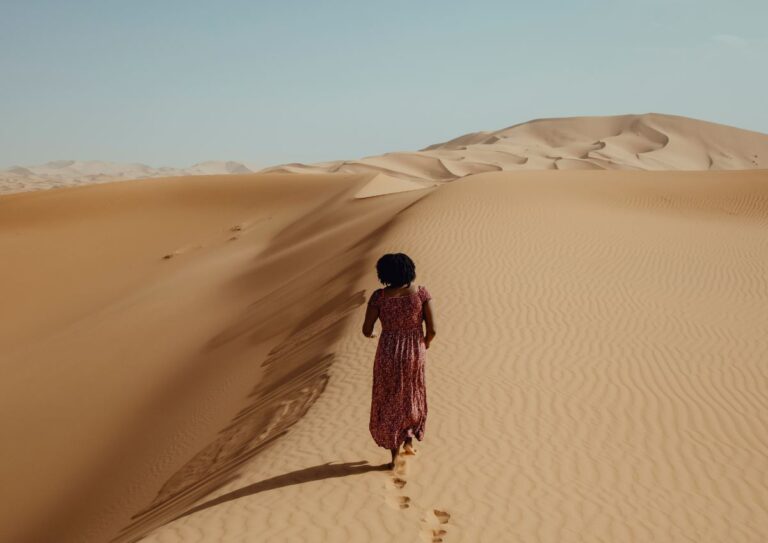
Desert tours are well organized and very popular. The main risks are natural: heat and sun in summer, and cold nights in winter. Drink plenty of water, wear a hat and sunscreen, and bring warm layers for the evening. On our tours you ride with an experienced camel guide, sleep in a camp with private tents, and your luggage travels by 4×4. See our 3-Day Desert Tour from Marrakech to Merzouga (Private) for a typical program.
Health, Money and Practical Safety
- Buy good travel insurance that covers medical care.
- Drink bottled water and be careful with raw salads during your first days.
- Keep your passport in the hotel safe and carry a copy.
- Use ATMs inside banks when possible, and carry some cash for the desert and small villages.
- Emergency numbers: 19 for police in cities, 177 for the gendarmerie outside cities and 15 for ambulance and fire.
Respecting Local Customs
Morocco is a Muslim country. Ask before photographing people, avoid public displays of affection, and be aware that alcohol is available mainly in hotels and licensed restaurants. During Ramadan, avoid eating or drinking in public during the day. Showing respect for these customs makes every interaction warmer, and Moroccan hospitality is famous for a reason.
Planning your first visit? Read our Morocco itinerary for first-timers or browse our private tour packages.